
Last updated September 22, 2026
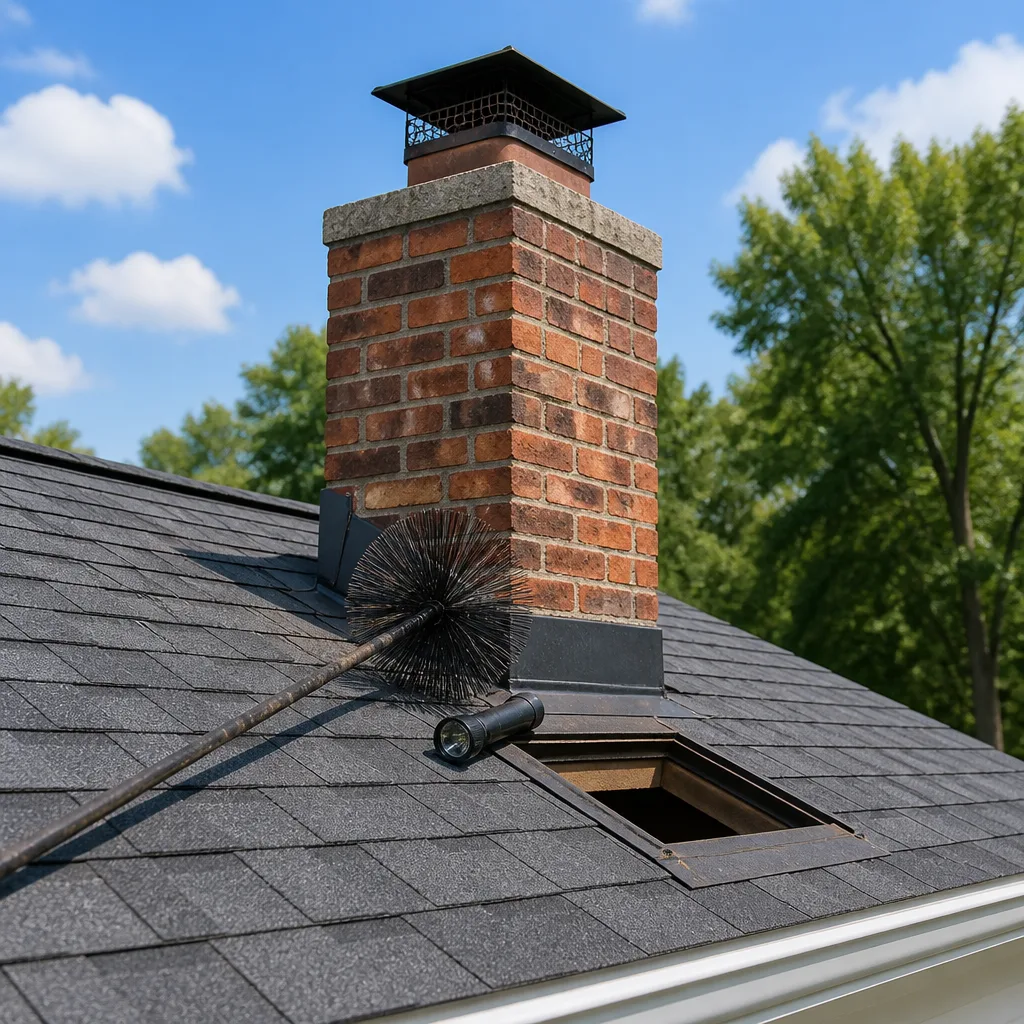
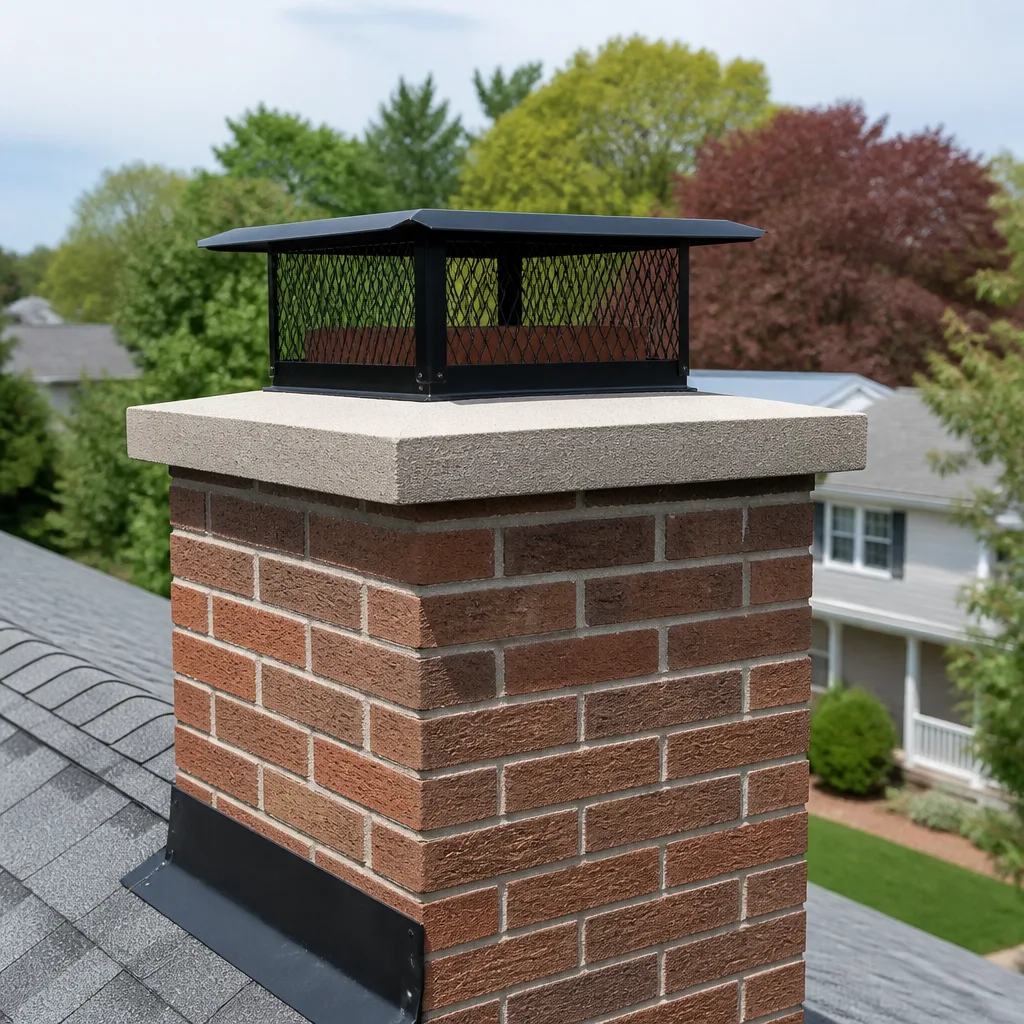
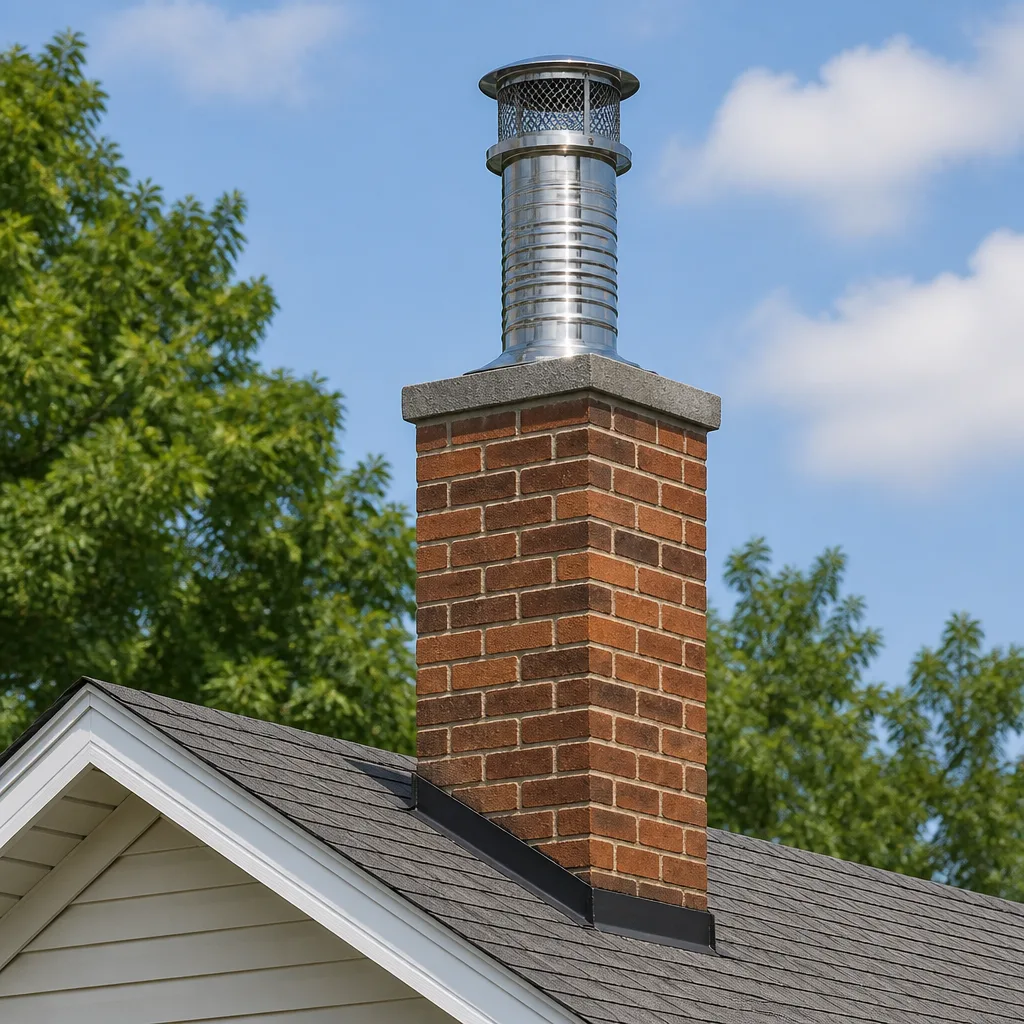
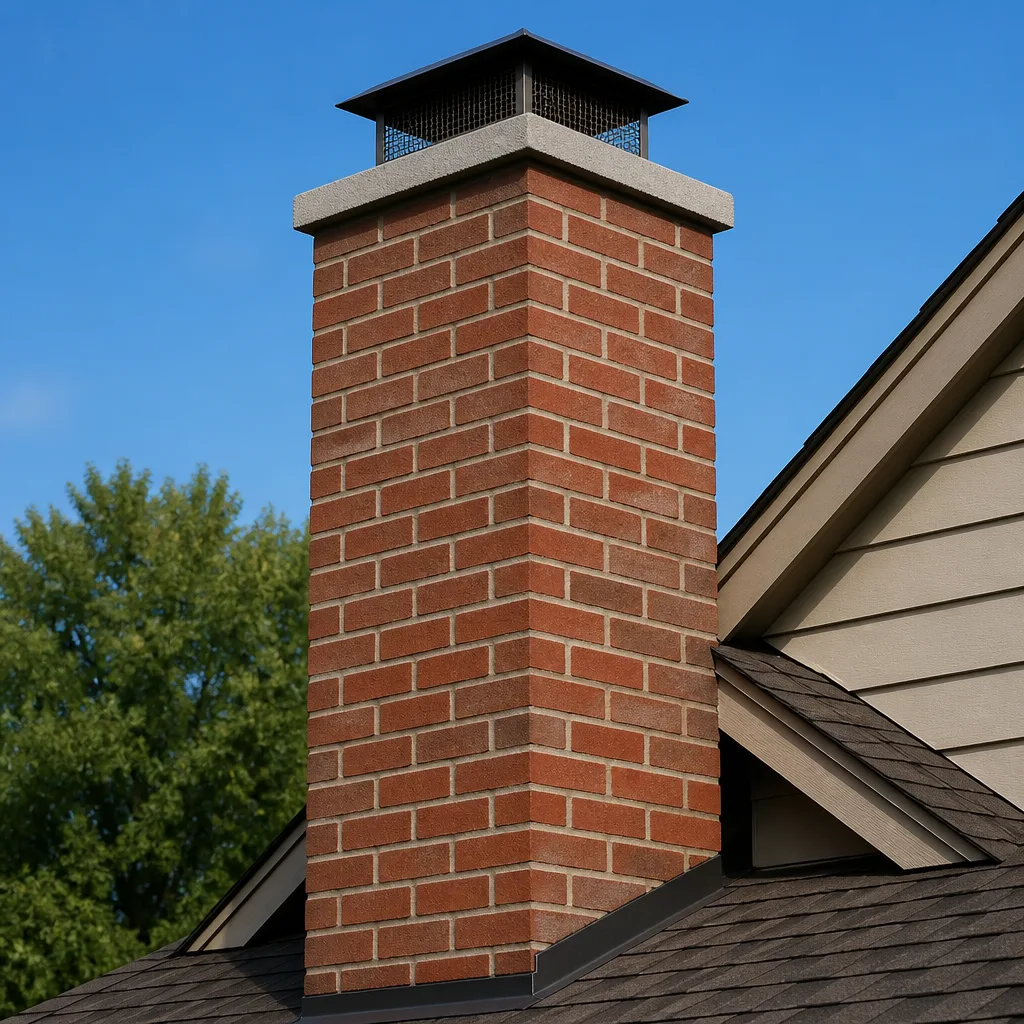
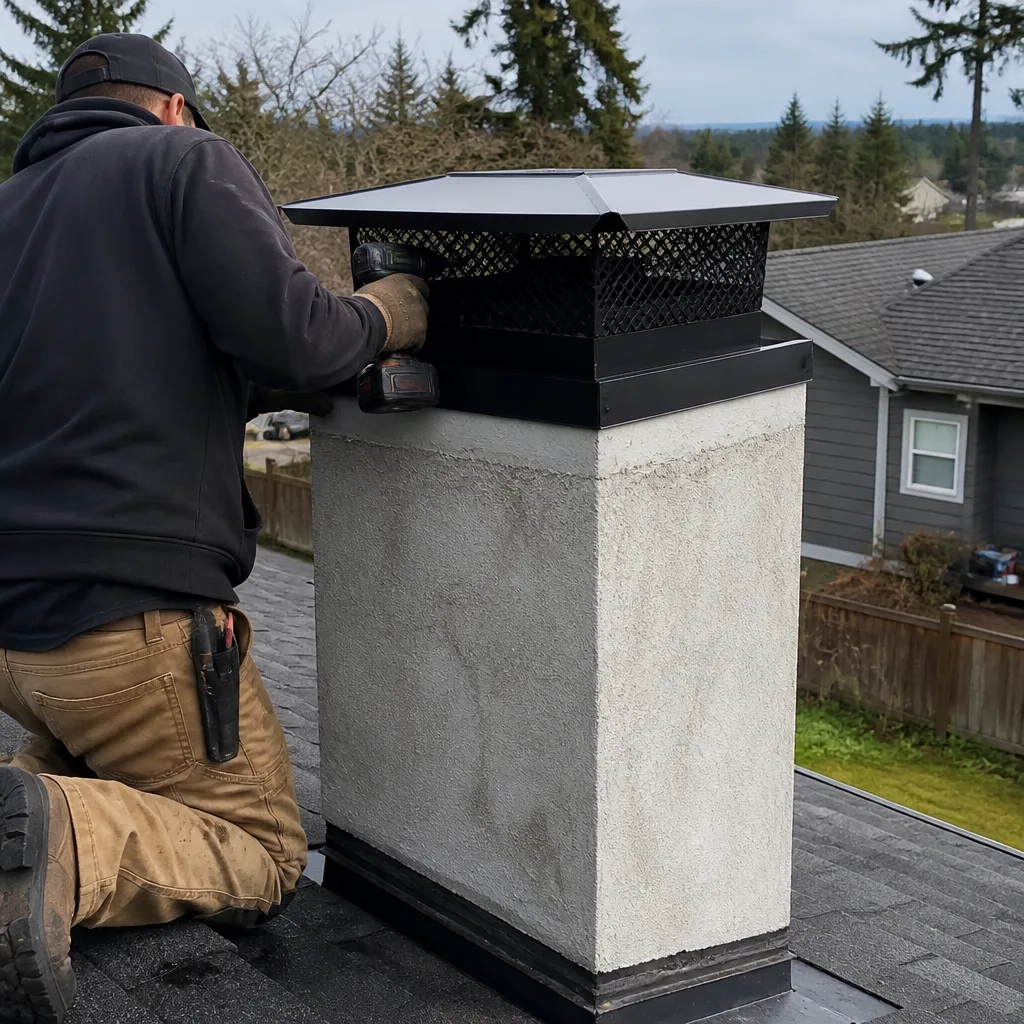
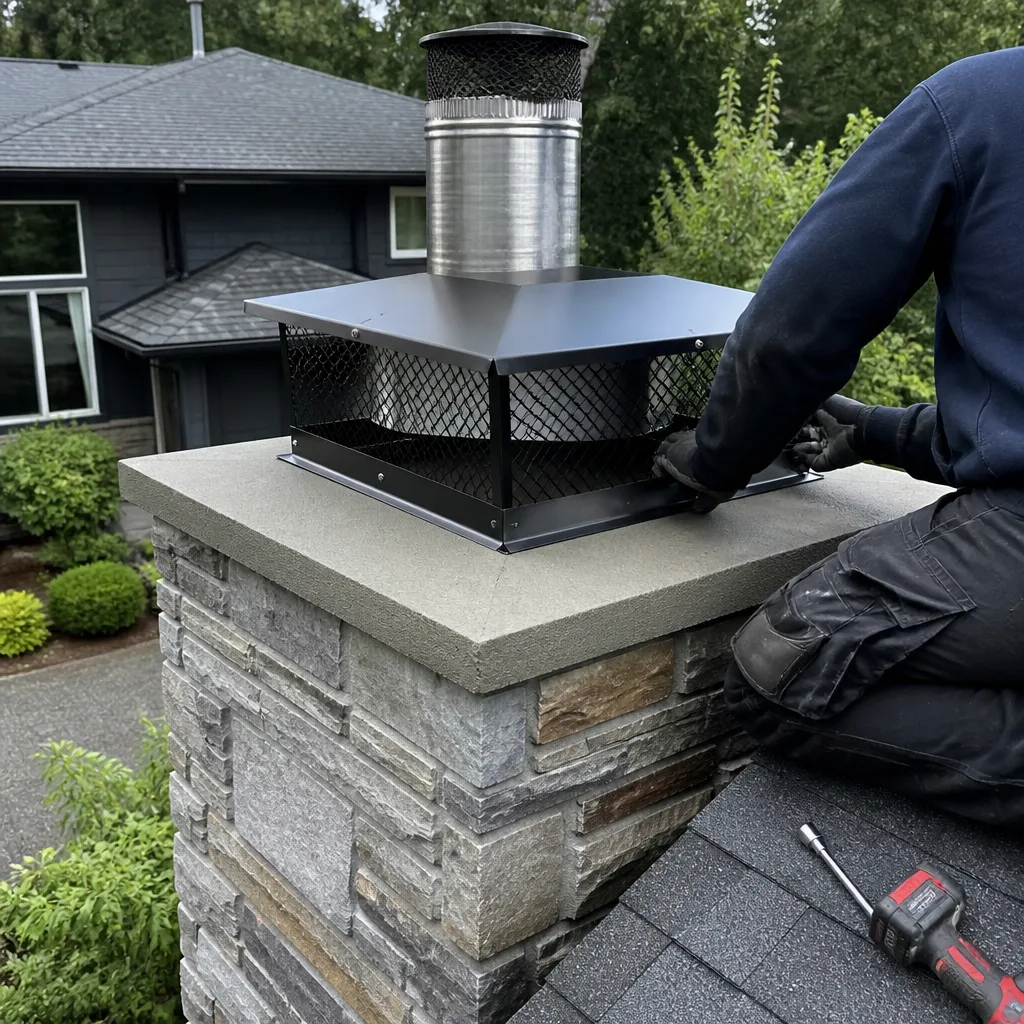
Level 1 sweep and inspection to the NFPA 211 annual standard - flue, crown, cap, and flashing checked and photographed
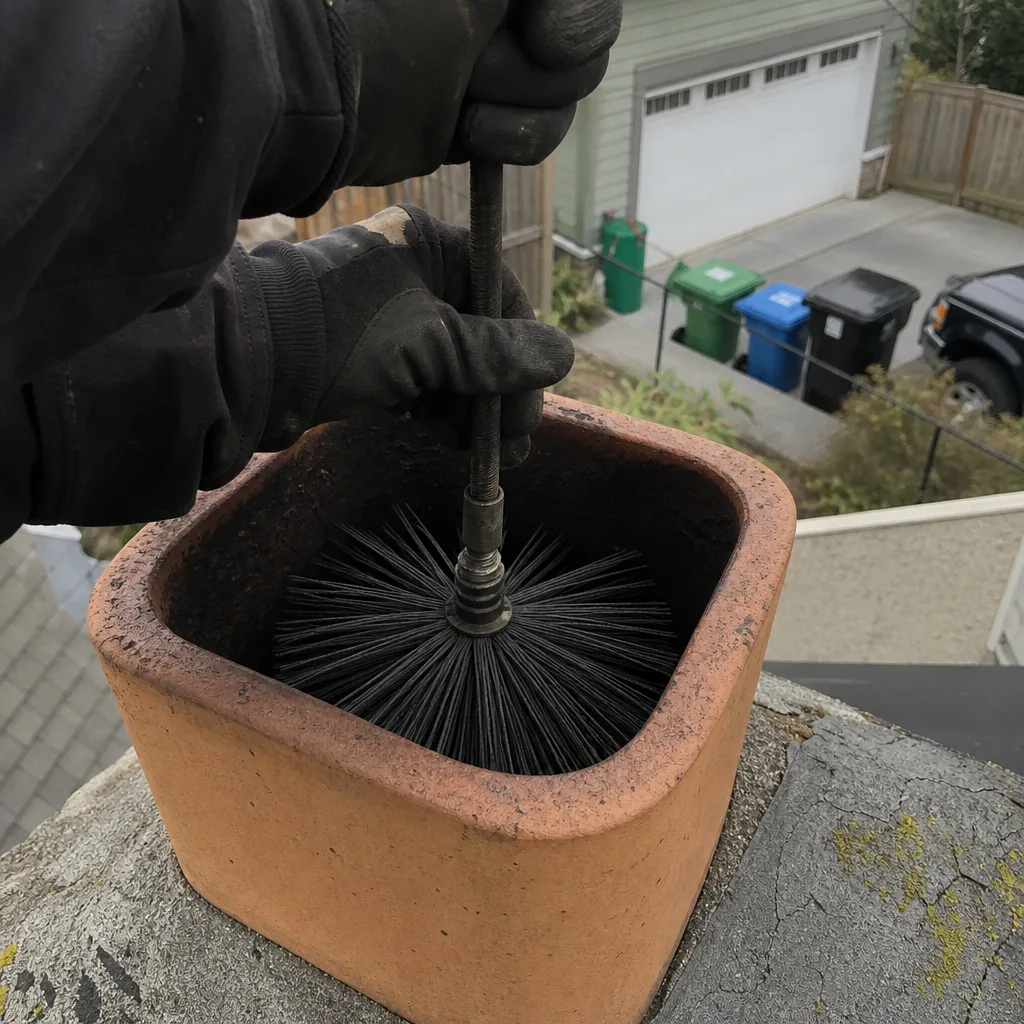
Chimney sweep logs do not sweep chimneys. They loosen some creosote - which then falls where a brush and vacuum still have to collect it.
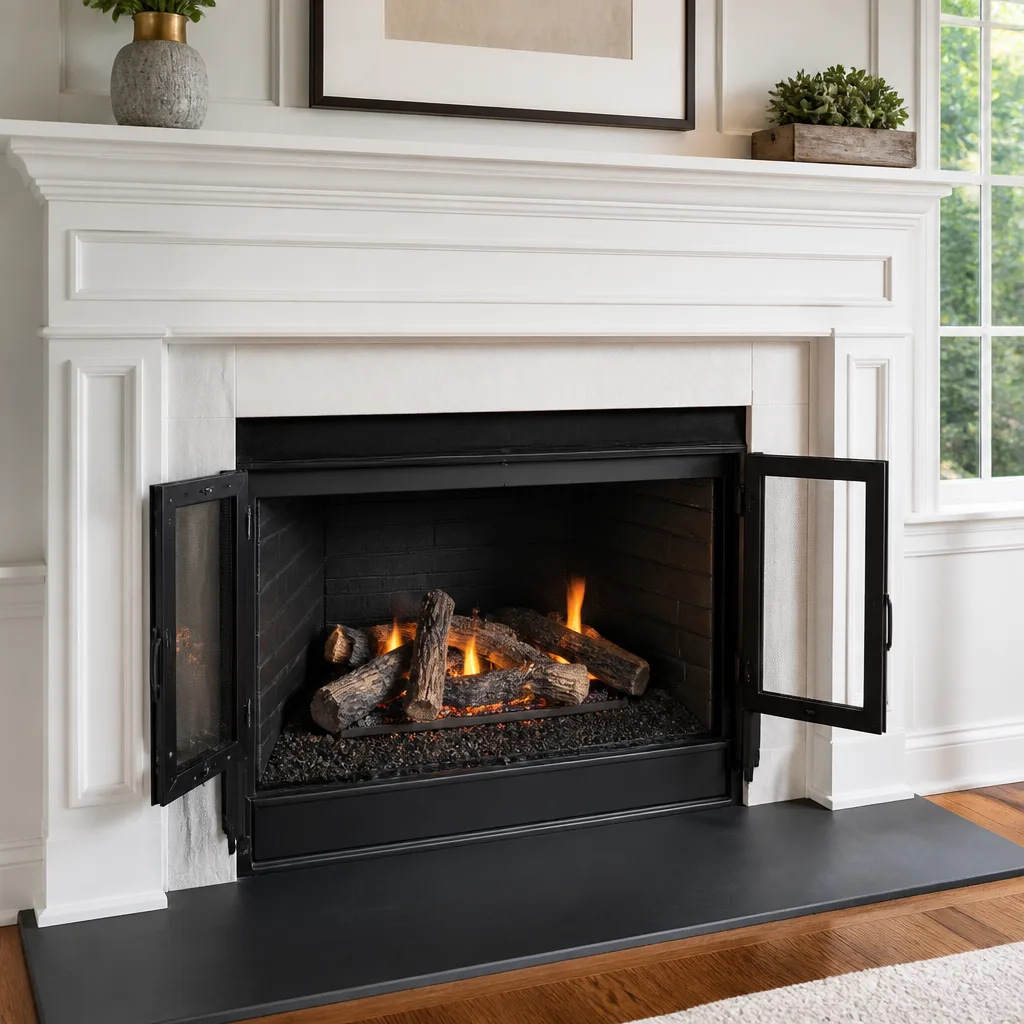
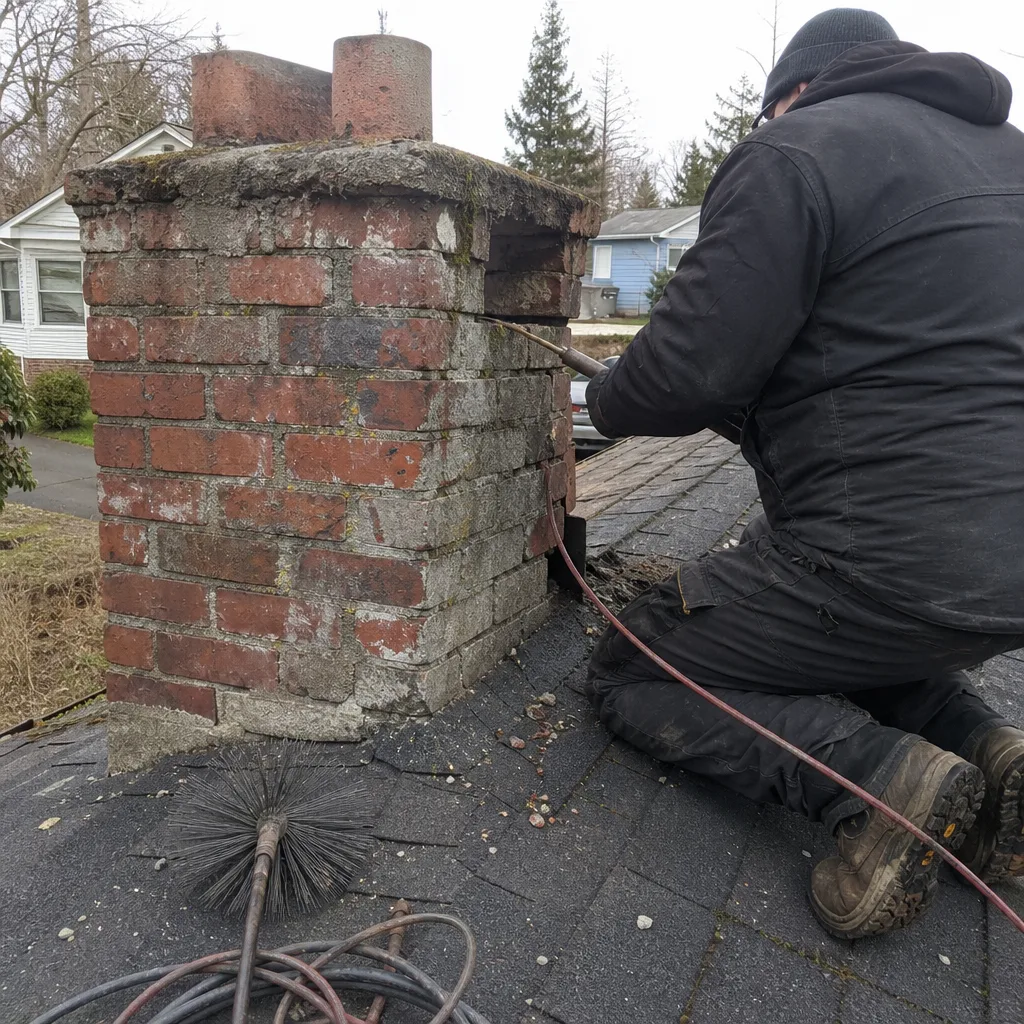 Before
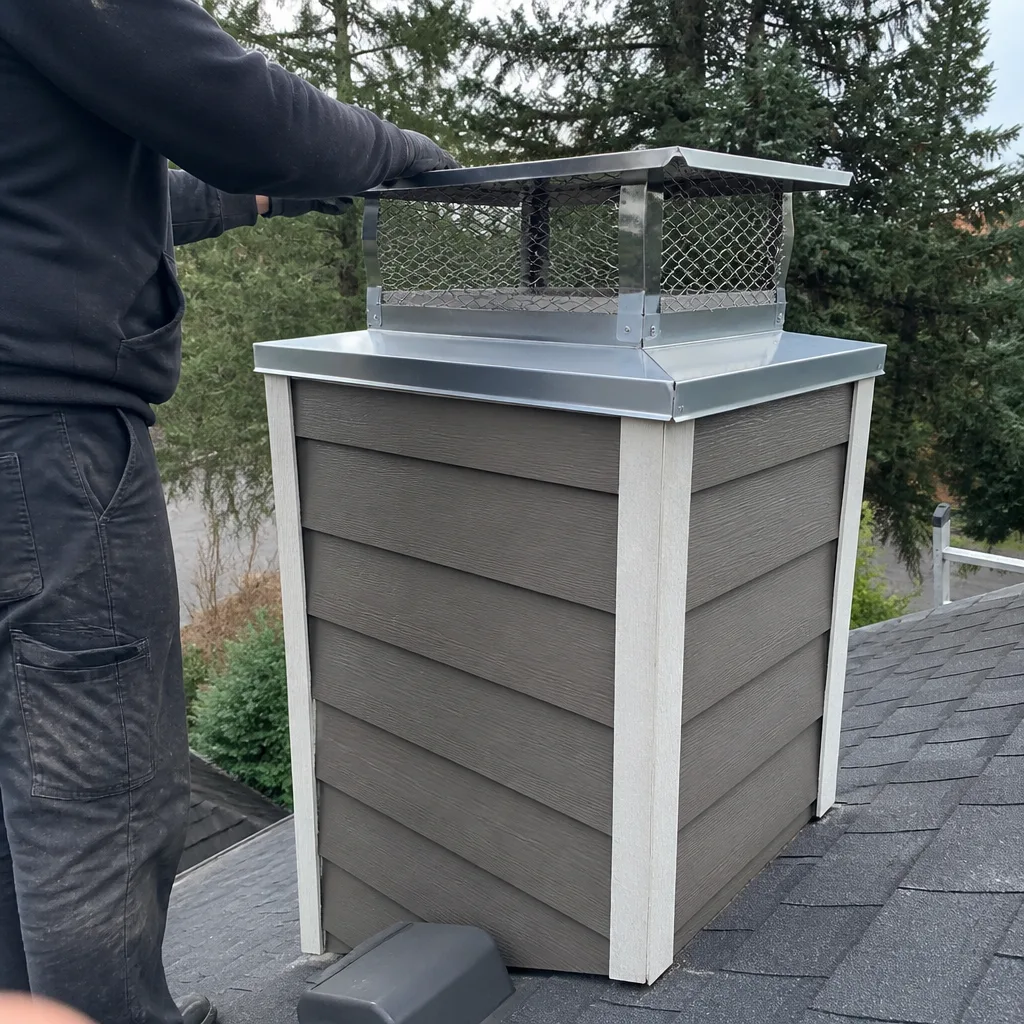 After
After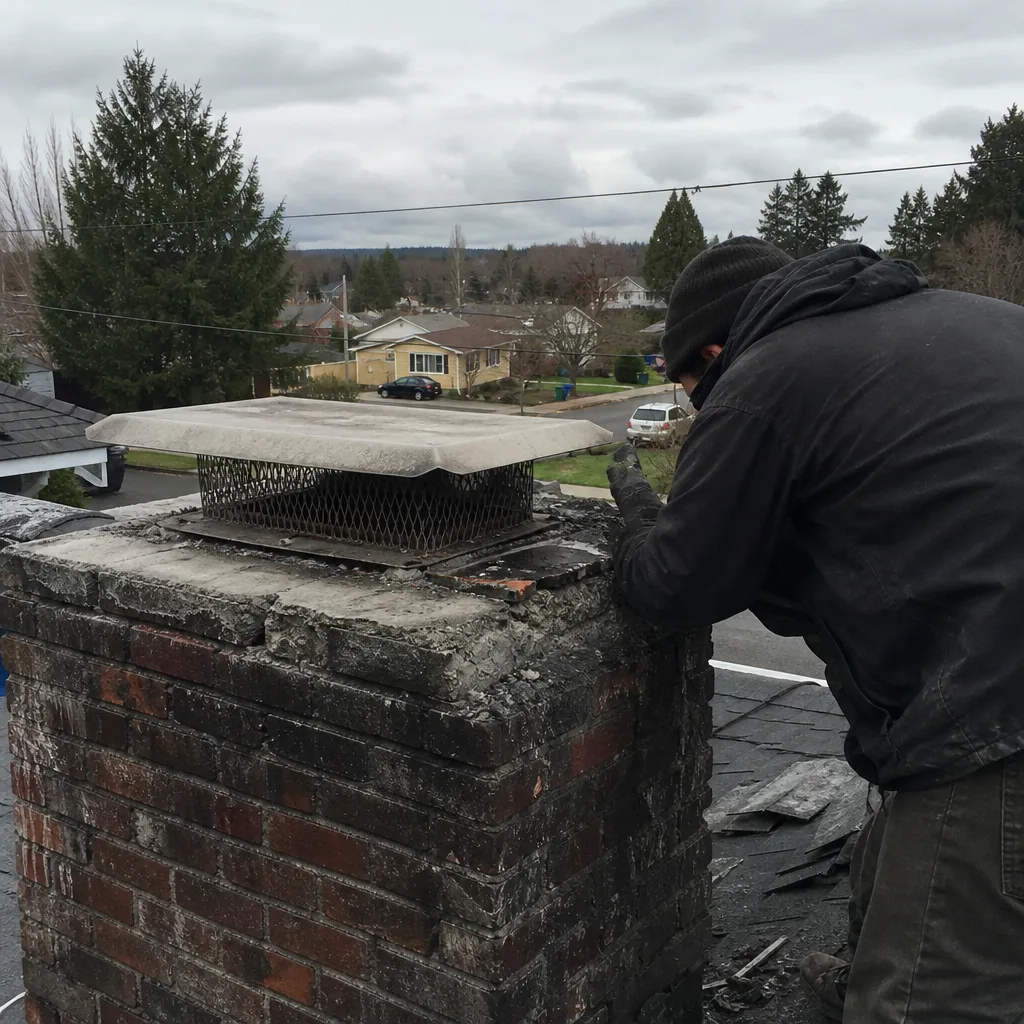 Before
 After
After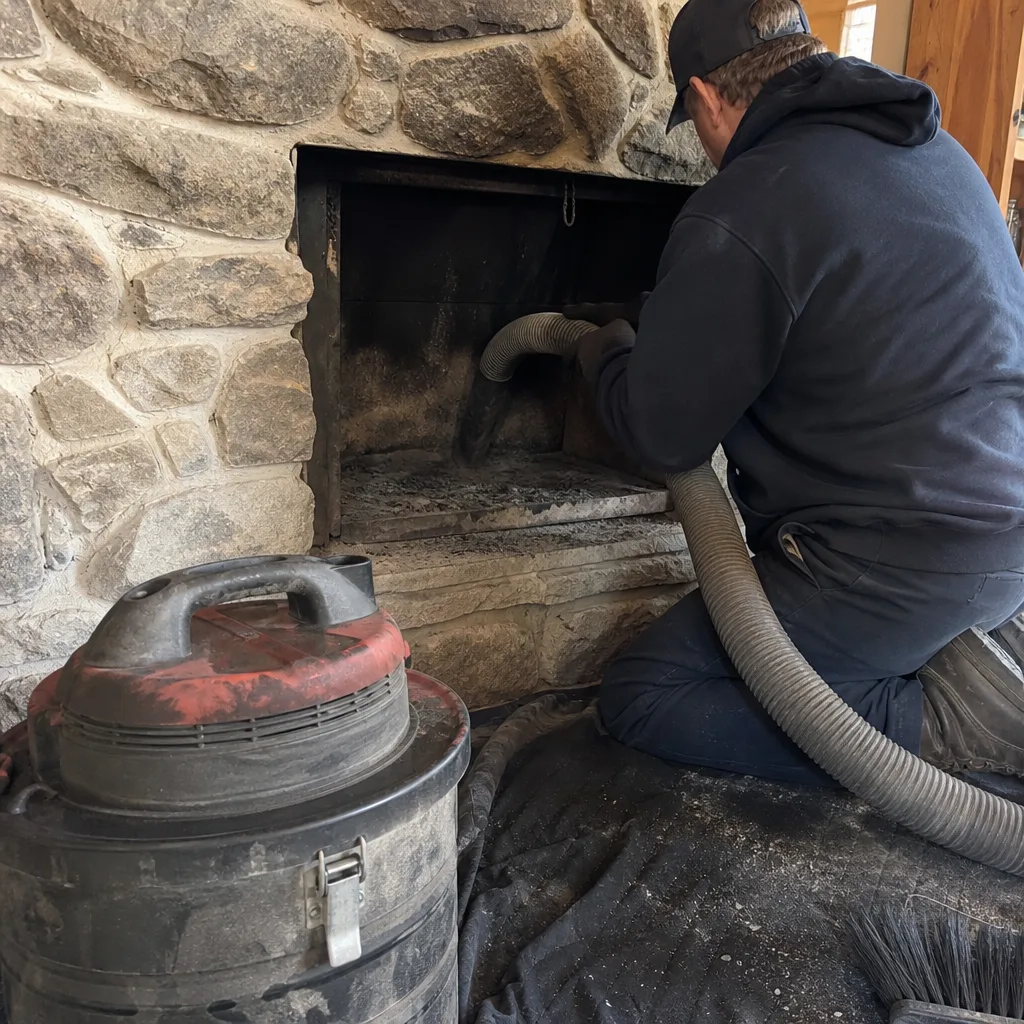 Before
 After
AfterChimney Cleaning Warning Signs: A Tacoma Homeowner’s Reference Guide
Most chimney warning signs guides list symptoms without telling you what they actually mean. A strong smoke smell in your Tacoma living room with the damper open points to a draft problem. The same smell with the damper closed almost always indicates a cracked flue liner or missing cap. The symptom looks identical. The repair cost does not. In this guide, we’ll map each warning sign to its specific defect, rate its urgency, and explain exactly what a camera scan would confirm so you can make decisions based on evidence, not anxiety. For a deeper dive into prevention, see our Complete Guide to Chimney Cleaning in Tacoma.
Quick Answer
The most critical chimney warning signs for Tacoma homeowners are smoke rollout during fires, white efflorescence staining on exterior brick, rust on the firebox floor, and tar odors in summer. These indicate liner damage, water intrusion, flue gas condensation, and creosote buildup respectively. Stop using the fireplace immediately for smoke rollout or strong tar smells; schedule camera inspection within 30 days for white staining or rust; note minor soot accumulation for your next regular sweep.
Table of Contents
- Smoke Rollout and Draft Failure
- White Staining and Efflorescence
- Rust on the Firebox Floor and Metal Components
- Tar Odors in Summer and Creosote Indicators
- Tacoma-Specific Warning Signs: Moss, Algae, and Marine Climate Damage
- Animal Noises, Debris, and Nesting Material
- How to Document Warning Signs for Your Inspector
- The Three-Tier Urgency Framework
 Before
 After
AfterSmoke Rollout and Draft Failure
Smoke entering your living room instead of exiting through the flue is the most urgent warning sign we encounter in Tacoma homes, and one that often leaves homeowners weighing DIY vs professional chimney cleaning. But the cause determines whether you’re looking at a $200 adjustment or a $3,000 liner replacement.
Damper open, smoke still rolls out: This typically indicates a draft problem. The chimney may be too short for the roof configuration, a nearby tree may have grown to block the termination, or the flue may be partially obstructed by creosote or a bird nest. In North Tacoma’s older homes with shallow-pitched additions, we regularly see downdraft caused by wind hitting the roof at odd angles. A smoke test and draft gauge reading confirm this. The fix is often a chimney repair in Tacoma involving height extension or a wind directional cap from Gelco.
Damper closed, smoke smell persists: This is the more expensive scenario. Smoke is passing through cracks in the flue liner, gaps in the smoke chamber, or deteriorated mortar joints. The closed damper should seal the firebox from the flue. If you smell smoke with it closed, combustion gases are finding another path. An NFPA 211 Level 2 camera scan will show the exact location: a vertical crack in a clay tile liner, a shifted liner section, or spalling (flaking) mortar exposing the chimney’s interior structure. We’ve documented this in Proctor District bungalows built in the 1920s with original terra cotta liners that have succumbed to thermal cycling.
What the camera reveals: A proper scan shows liner cracks in millimeters of separation, mortar joints turned to powder, and any gaps between liner sections. We date-stamp and geotag every image under Haven Standard Clause 4. You receive the photo record, not just our interpretation of it.
Urgency: Stop using the fireplace immediately. Carbon monoxide can accompany smoke rollout, and CO doesn’t smell. Call for inspection before next use.
White Staining and Efflorescence
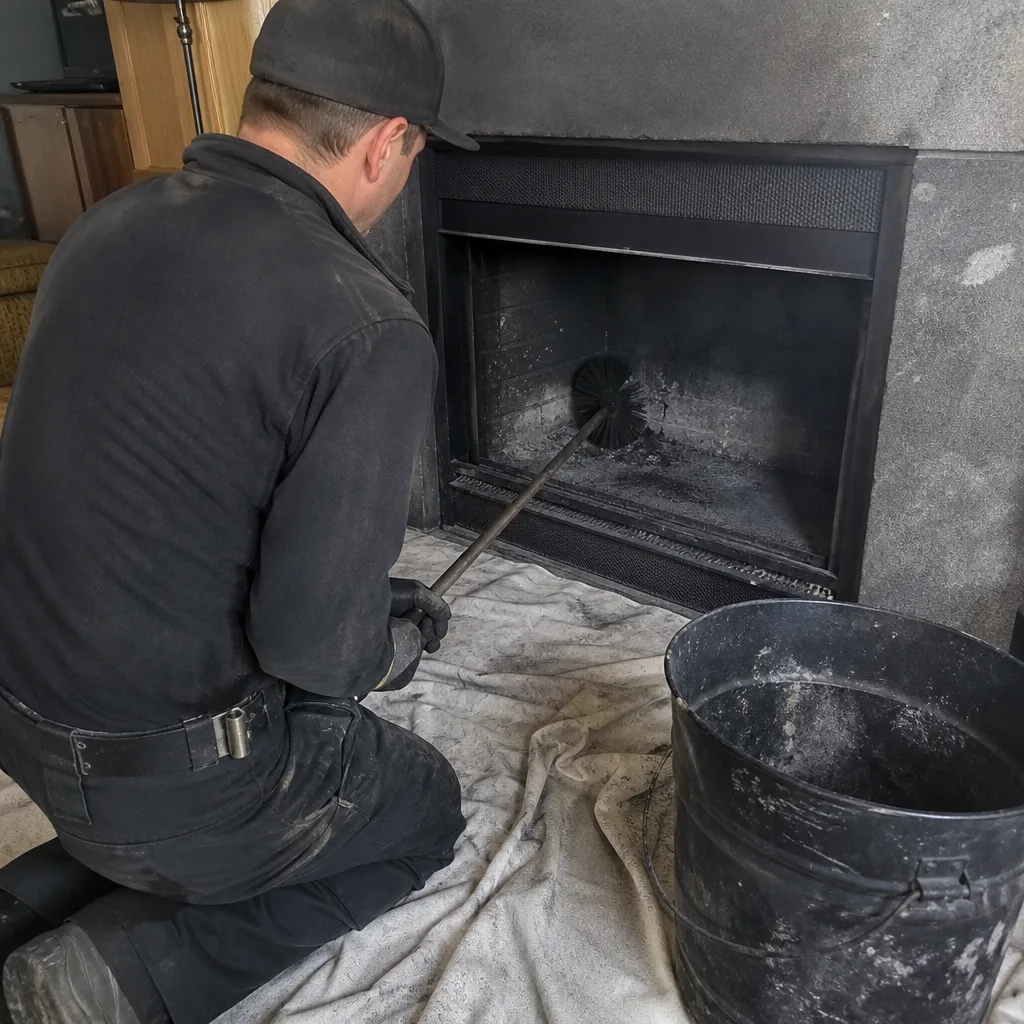
White powdery deposits on exterior brick or inside the firebox look like salt buildup. They are. And they’re telling you water is moving through your masonry, dissolving soluble salts, and depositing them on the surface as it evaporates.
In Tacoma’s marine climate, with 40+ inches of annual rainfall and extended wet seasons, efflorescence is common on chimneys in neighborhoods like Stadium District and Hilltop where older brick was laid with lime-rich mortar. The white staining itself isn’t structurally dangerous. It’s a symptom of dangerous conditions developing inside the masonry.
What efflorescence indicates structurally: Water is entering the chimney system, saturating the brick, and reaching the interior. The source may be a deteriorated crown (the concrete slab at the top), failed flashing where the chimney meets the roof, porous brick that has lost its protective seal, or missing mortar joints. Each pathway causes different secondary damage. Crown leaks saturate the top courses of brick and can freeze-thaw spall the face off the brick in Tacoma’s occasional cold snaps. Flashing leaks rot roof decking and ceiling joists. Porous brick throughout the structure leads to widespread mortar deterioration.
What the camera reveals: Water intrusion doesn’t always show exterior damage immediately. Inside the flue, we look for water streaks on liner tiles, rust stains indicating metal components are wet, and softened mortar that crumbles under light probe pressure. A camera scan can distinguish between active water entry (wet surfaces, fresh rust) and historical staining (dry, powdery residue). This determines whether you’re preventing future damage or repairing damage already done.
Urgency: Book inspection within 30 days. The chimney is usable if the flue is dry and intact, but water is actively degrading the system. Delay turns a $400 crown repair into a $2,500 partial rebuild.
Rust on the Firebox Floor and Metal Components
Rust on the damper frame, fire grate, or firebox floor indicates chronic moisture in the flue. But rust location narrows the cause significantly.
Rust on the damper only: Typically condensation from burning unseasoned wood or insufficient flue temperature. The damper is the highest metal component and the first to show surface rust. In Tacoma, where many homeowners burn alder and maple from local tree services, moisture content often runs 25-30% instead of the recommended below 20%. Wet wood burns cooler, producing more water vapor that condenses on metal surfaces. The fix is fuel change and more aggressive burning practices, not necessarily repair.
Rust on the firebox floor and lower damper: Indicates water entering from above and running down the flue. The firebox floor is protected from direct rain by the damper. Rust there means water has passed the damper, which only happens with significant water intrusion or a damper left open during rain. We see this pattern frequently in homes near Tacoma’s waterfront, where wind-driven rain exploits any crown or cap gap.
Rust on the smoke shelf (visible with a mirror or camera): The smoke shelf is the flat area behind the damper where debris collects. Rust here combined with wet, compacted debris indicates a missing or damaged chimney cap allowing direct water entry. The smoke shelf should be dry and clean. Wet debris accelerates liner deterioration and can block the flue.
What the camera reveals: We document the extent of rust, measure remaining metal thickness on dampers, and identify any pitting that has weakened structural components. A pitted damper won’t seal properly even when closed, which returns us to the smoke-with-damper-closed scenario. The photo record lets you see whether “surface rust” is actually structural degradation.
Urgency: Book inspection within 30 days. Rust progression is slow but irreversible. Caught early, a damper replacement runs $350-600. Wait until the frame warps or the throat mechanism seizes, and you’re looking at $1,200+ for smoke chamber modification to accept a new unit.
Tar Odors in Summer and Creosote Indicators
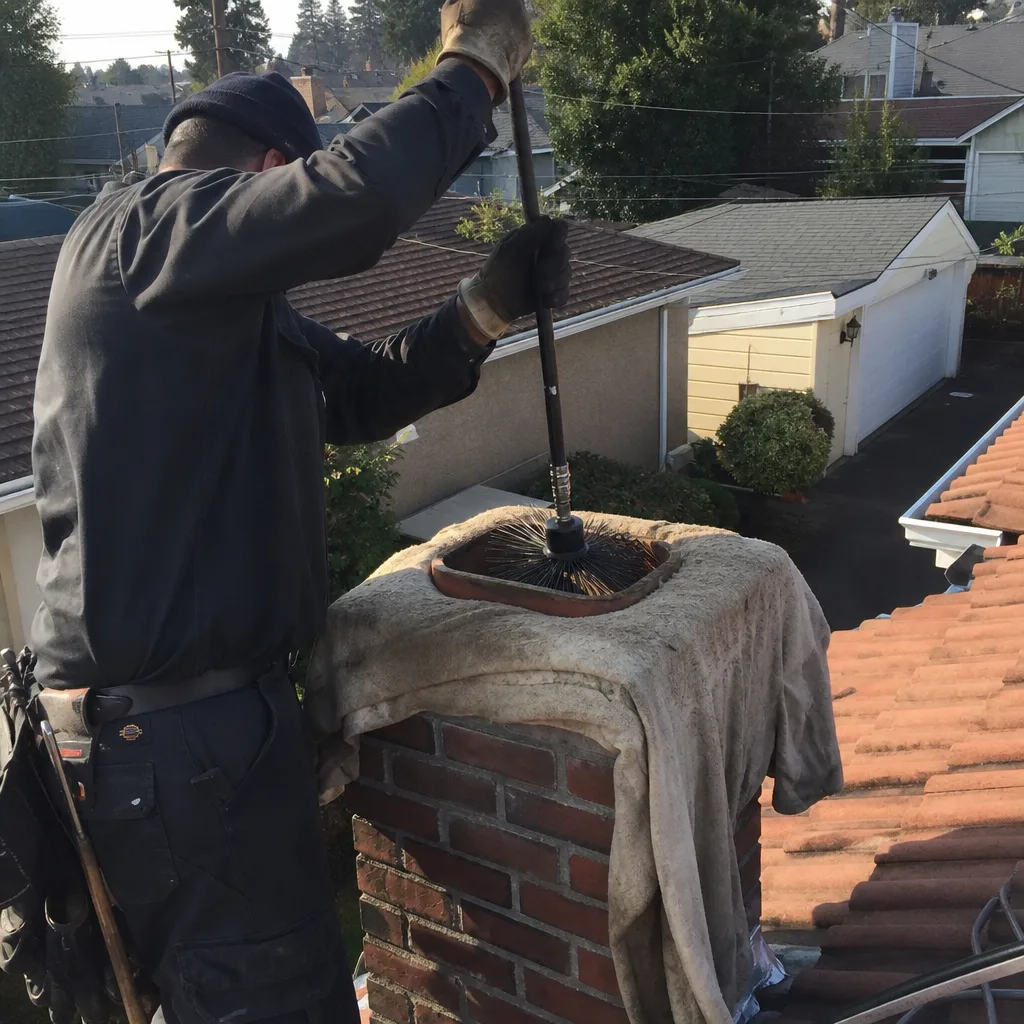
A strong tar or asphalt smell from your fireplace in warm weather is one of the most misunderstood warning signs. Homeowners often dismiss it as “just the chimney heating up” or assume it’s coming from outside. It isn’t. The smell is Class III creosote (glazed creosote) off-gassing as temperatures rise.
Creosote forms in three stages. Stage I is sooty, dusty, and brushes off easily. Stage II is flaky, puffy, and requires more aggressive sweeping. Stage III is hard, glossy, and baked onto the liner surface like enamel. It forms when wood burns incompletely at low temperatures, common with airtight stoves, damp fuel, or smoldering fires left overnight. Tacoma’s mild winters encourage low-temperature burning, and we’ve removed 1/4-inch deposits of glazed creosote from flues in homes near Point Defiance where owners kept fires barely alive for ambiance.
Why summer smell matters: Class III creosote has a low flash point, roughly 451°F, which a hot fire reaches easily. In summer, ambient temperatures in a south-facing chimney can reach 120-140°F, enough to cause volatile compounds in the creosote to vaporize. The smell is your warning that a significant fuel load is present and ready to ignite.
What the camera reveals: A camera scan shows creosote thickness, distribution pattern, and any areas where it has bridged across liner joints or narrowed the flue passage. We classify it under NFPA standards and measure remaining flue diameter. A flue reduced by more than 1/8-inch of creosote is a fire hazard regardless of the liner’s original condition.
Removal reality: Class III creosote cannot be removed with standard brushes. It requires rotary mechanical cleaning, chemical treatment, or in severe cases, liner replacement. We use HeatShield refractory coating systems when the underlying liner is sound but the surface is compromised by glazed deposits. The camera determines which approach is appropriate before we quote.
Urgency: Stop using the fireplace immediately. Class III creosote is the fuel source in most chimney fires. Do not burn again until inspected and cleaned.
Tacoma-Specific Warning Signs: Moss, Algae, and Marine Climate Damage
Generic chimney guides miss what Tacoma’s marine west coast climate does to masonry. Our wet winters, mild temperatures that rarely freeze hard enough to kill growth, and salt air from Puget Sound create conditions you won’t find in Denver or Chicago guides.
Green algae and moss on the crown: In Tacoma’s North End and West End neighborhoods, we regularly see chimneys with moss carpets on the crown that homeowners have ignored for years. This isn’t cosmetic. Moss roots penetrate microscopic cracks in the crown concrete, widening them as they grow. The moss holds moisture against the surface for days after rain stops, accelerating freeze-thaw damage during our occasional cold snaps. A crown with moss is a crown with cracks. A crown with cracks is funneling water directly into the chimney’s interior structure.
Salt staining on brick near the water: Homes in Ruston, along Commencement Bay, and on the Tacoma Narrows show white, slightly crusty deposits different from standard efflorescence. This is salt spray deposition. Salt crystals expand within the brick pores, causing spalling (surface flaking) even without freeze-thaw cycling. The brick literally crumbles from the outside in. We’ve replaced chimney faces in Ruston where the outer 1/2-inch of brick had turned to sand.
Chimney shoulder deterioration: Many Tacoma homes built between 1945 and 1975 have chimneys with pronounced shoulders, or wider sections below the roofline. These shoulders catch and hold debris, and their mortar joints are often the first to fail. In Fircrest and University Place, we find shoulder joints eroded to powder while upper joints remain sound, simply because the geometry traps moisture.
What the camera reveals: Marine climate damage often shows inside the flue as generalized moisture staining rather than single-point leaks. The camera documents the pattern, distinguishing between crown-sourced water (staining from top down), shoulder-sourced water (staining at shoulder level), and flashing-sourced water (staining at roofline). Each requires different repair scope and pricing.
Urgency: Note moss and algae for next scheduled visit if the flue is dry and intact. Salt staining warrants inspection within 30 days. Shoulder deterioration with interior moisture requires inspection before next burning season.
Animal Noises, Debris, and Nesting Material
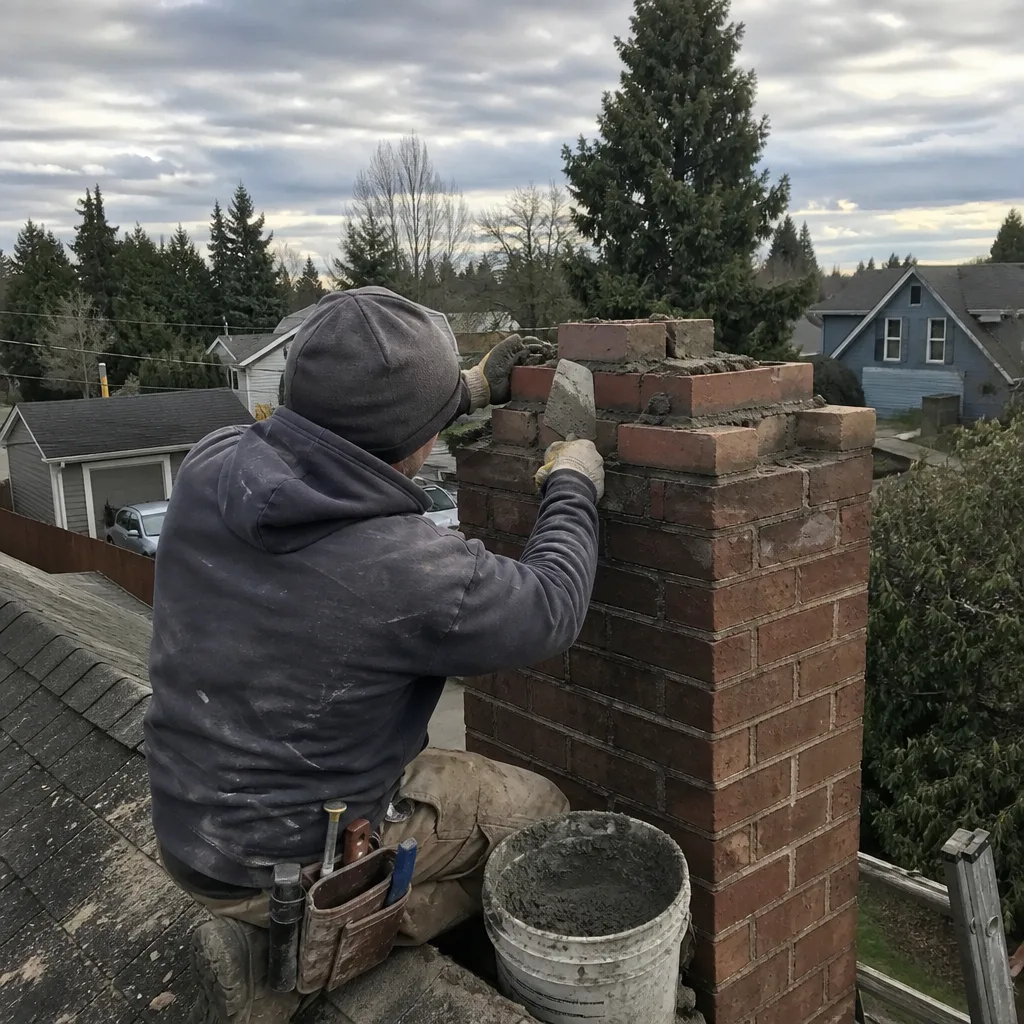
Scratching, chirping, or thumping from your chimney is not a haunting. It’s a wildlife intrusion, and in Tacoma, the species determines the damage risk.
Raccoons: Strong climbers, destructive entry. A raccoon can pull off a poorly installed cap or bend lightweight screening. They build substantial nests in smoke shelves and damper throats. Their waste carries roundworm eggs that become airborne when disturbed. We’ve removed raccoon nests from Tacoma chimneys where the animals had been resident for multiple breeding seasons, compacting debris into a flue obstruction.
Squirrels: Constant gnawers. They chew screening, weatherstripping, and even aluminum flashing. Their nests are looser than raccoon nests, more likely to shift and block the flue partially. A partially blocked flue causes CO spillage without obvious smoke rollout.
Barn swallows and chimney swifts: Protected under the Migratory Bird Treaty Act. If active nesting is confirmed, removal must wait until young have fledged. In Tacoma’s older neighborhoods with mature trees, we see swallow colonies returning to preferred chimneys annually. Prevention is the only practical approach.
Bats: Often enter through gaps between the liner and chimney structure, not the top. Their guano accumulates in inaccessible spaces and supports histoplasmosis fungus growth. Bat entry points are rarely visible from the roof and require camera inspection to locate.
What the camera reveals: We document nest location, debris volume, and any damage to the liner or masonry caused by animal activity. We also identify entry points that standard inspection from the roof would miss, gaps between liner sections that bats exploit, or mortar voids that allow rodent passage.
Urgency: Stop using the fireplace immediately if you hear active animal presence. Smoke and heat can kill protected species or drive animals into the living space. Call for inspection before next use. For historical debris without active animals, book within 30 days.
How to Document Warning Signs for Your Inspector
The photos you take before we arrive make our inspection more efficient and your estimate more accurate. Poor documentation wastes everyone’s time. Here’s how to do it properly.
- Enable location and timestamp services on your phone camera. Geotagged, dated images are admissible to insurers and establish the timeline of deterioration. This matters for claims and for our own records under Haven Standard Clause 4.
- Photograph the symptom in context, not in isolation. A close-up of white staining tells us what it is. A photo showing the staining’s position on the chimney relative to the roofline tells us where water is entering. Take both.
- Include a size reference. Place a coin, key, or pen next to cracks or rust deposits. We can estimate severity from a photo with scale. Without scale, a 1/16-inch crack and a 1/4-inch crack look identical.
- Photograph the firebox from multiple angles with the damper fully open and fully closed. Rust location relative to the damper position helps us identify water entry path. A single photo of the firebox floor misses this relationship.
- Record video with audio if you hear animal noises. The sound helps identify species. Scratching patterns differ between raccoons and squirrels. Chirping identifies birds and narrows species.
- Document weather conditions. Note if the symptom appeared during rain, after rain, or during dry conditions. Water-related signs that persist in dry weather indicate active, ongoing intrusion rather than historical staining.
- Email or text the documentation before scheduling. We review photos at no charge and can often estimate whether you’re looking at a sweep, a repair, or a rebuild before we dispatch. This is part of our written-price-before-work-starts process, Haven Standard Clause 1.
When we arrive, we integrate your documentation with our camera scan under Clause 4. You receive both sets of images, yours and ours, in a single dated record.
The Three-Tier Urgency Framework
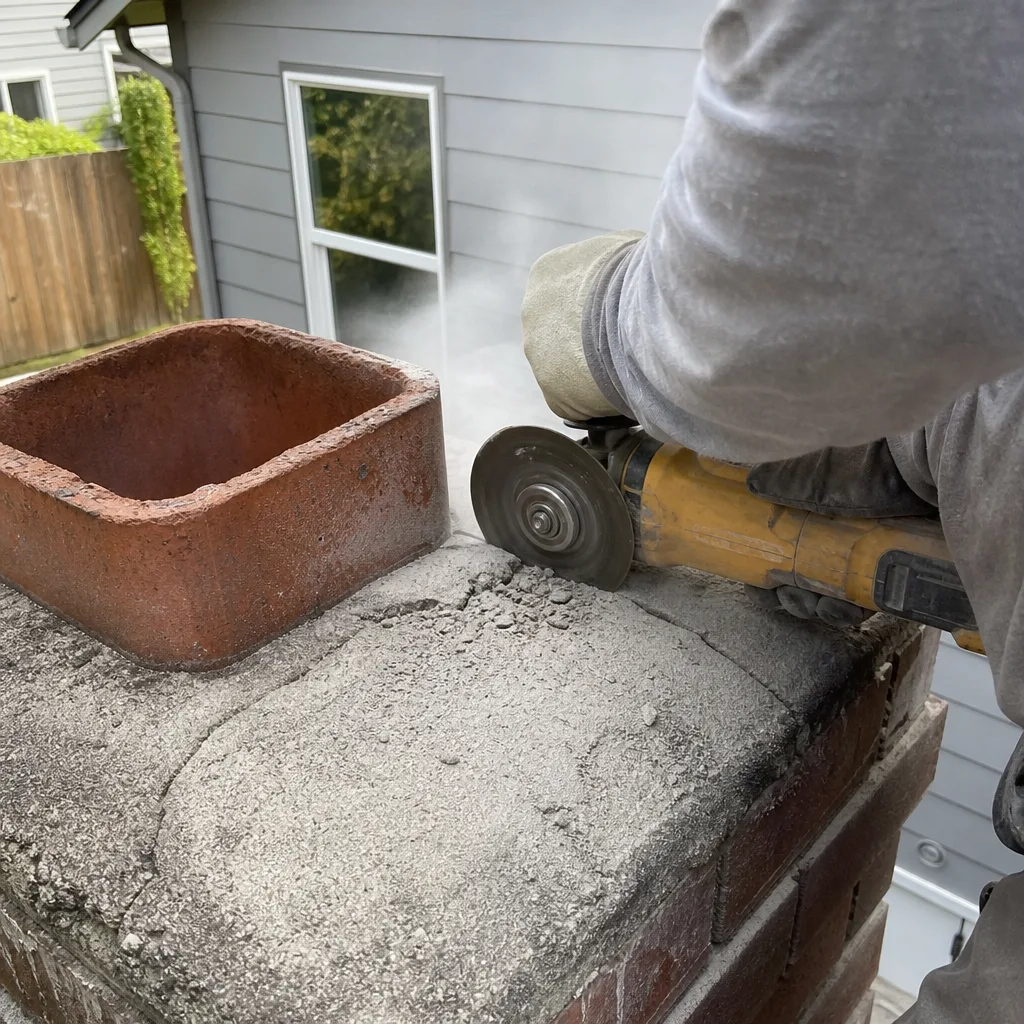
Every warning sign in this guide maps to one of three action levels. Use this framework to triage without anxiety.
STOP USING NOW - Schedule inspection before next fire
- Smoke rollout during use, damper open or closed
- Strong tar or asphalt odor in warm weather (Class III creosote)
- Active animal presence, noises, or visible nesting material
- Visible flame or sparking from chimney top during use
- Carbon monoxide detector activation near fireplace
BOOK WITHIN 30 DAYS - Chimney usable with caution
- White efflorescence on exterior brick or interior firebox
- Rust on firebox floor, lower damper, or smoke shelf
- Missing or damaged chimney cap, visible from ground
- Salt staining or spalling brick, especially near waterfront
- Damper operates stiffly or fails to seal fully closed
NOTE FOR NEXT SCHEDULED VISIT - Monitor, no immediate restriction
- Light soot accumulation, normal for burning season
- Minor moss or algae on crown, flue dry and intact
- Historical water staining, no active moisture
- Normal creosote odor immediately after burning, dissipates within hours
The boundary between tiers shifts with use patterns. A “note for next visit” sign in a chimney used daily moves toward “book within 30 days.” A “book within 30 days” sign in an unused decorative fireplace can wait until you plan to use it. We’re precise about this in our written scope, Haven Standard Clause 1: we tell you what we found, what it means for your specific usage, and what happens if you delay.
Common Mistakes to Avoid
- Assuming a “clean” fireplace means a safe fireplace. Creosote hides above the smoke shelf where you can’t see it without a camera. We’ve found 1/2-inch deposits in fireplaces that looked spotless from the firebox.
- Using chimney cleaning logs as a substitute for sweeping. These products loosen creosote slightly but do not remove it. The loosened material often falls to the smoke shelf, creating a concentrated fuel load in a hidden location.
- Ignoring Tacoma’s marine climate in maintenance scheduling. Annual sweeping is the national minimum. In our rainfall pattern, chimneys with any water intrusion history benefit from inspection every 6-8 months until the source is resolved.
- Accepting verbal estimates for chimney work. Without written scope, written price, and written warranty, you have no recourse if the actual work differs from what was described. Haven Standard Clause 1 exists because we’ve repaired too many chimneys where the previous contractor’s “estimate” tripled once work began.
- DIY removal of animal nests without species identification. Disturbing active nests of protected species carries federal penalties. Even for unprotected species, nests often contain parasites that become airborne when disturbed. The camera identifies what’s there before anyone touches it.
- Delaying crown repair because “it’s just concrete.” The crown is your chimney’s umbrella. In Tacoma’s wet climate, a cracked crown funnels thousands of gallons of water into the structure over a single winter. A $400 crown sealant application prevents a $3,000 rebuild.
- Trusting a flashlight inspection after seeing warning signs. A flashlight shows the first 3-4 feet of flue. A camera scan shows the full length, including the most vulnerable areas at the top where liner damage typically begins. Level Two made camera-scan documentation standard in 2009 precisely because flashlight inspections miss critical defects.
When to Call a Professional
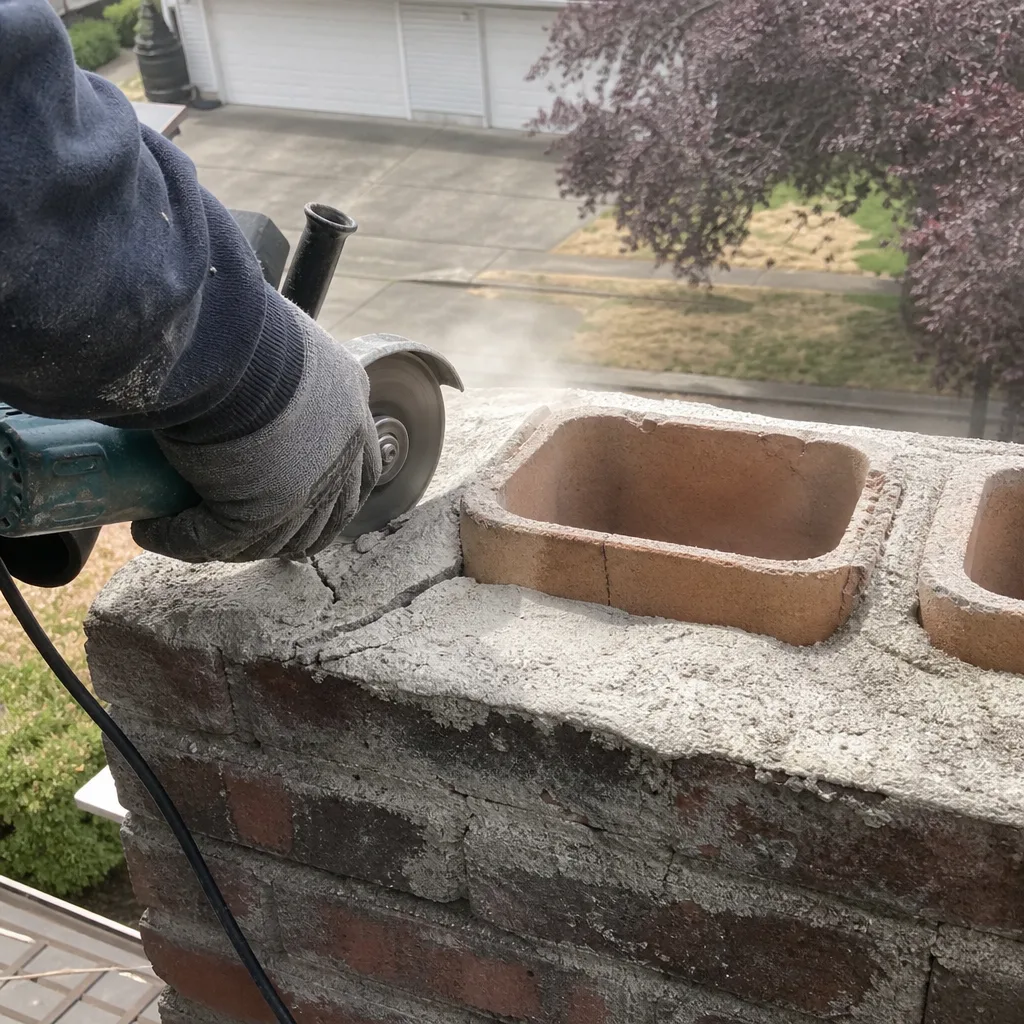
Call when any warning sign crosses from “note for next visit” to “book within 30 days” or “stop using now.” Call when you’re unsure which tier applies. Call when you’ve received a written estimate from another company and want a second opinion at no charge. Level Two Chimney Tacoma home offers free estimates throughout Tacoma, from the Stadium District to Spanaway, from Ruston to Frederickson. We answer live, 24 hours a day. Call (253) 447-5982, text your documentation, or schedule through our site. Every estimate is written, every scope is itemized, and every job includes a documented photo record under Haven Standard Clause 4.
Frequently Asked Questions
A standard NFPA 211 Level 1 chimney sweep in Tacoma typically runs $199-$289, while a Level 2 inspection with camera scan ranges from $299-$449 depending on chimney height, access difficulty, and number of flues. We deliver a written price before any work begins, with no hidden charges for the photo documentation that competitors treat as an add-on. Call (253) 447-5982 for an exact quote, estimates are free.
You need a new liner only if the existing one is cracked, shifted, or deteriorated to the point that it cannot contain combustion gases, or if you’re converting fuel types. We don’t recommend liner replacement without camera evidence you can see for yourself. In many Tacoma homes built 1920-1960, the original clay tile liner can be repaired with HeatShield refractory coating if cracks are minor and the structure is sound. We show you the camera footage, explain the repair options, and note which work can safely wait. Call (253) 447-5982 to schedule a scan.
The NFPA 211 standard calls for annual inspection, with sweeping as needed based on creosote accumulation. In Tacoma’s climate, wood-burning fireplaces used regularly during burning season typically need sweeping annually. Gas fireplaces need less frequent cleaning but still require annual inspection of the venting system. Homes burning more than three cords of wood per season, or burning unseasoned local wood, may need mid-season inspection. We document creosote thickness during each visit so you can track accumulation rates and adjust scheduling.
Skipped maintenance leads to three predictable outcomes: creosote accumulation to Class III levels, which ignites in approximately 25,000 U.S. chimney fires annually; water intrusion that progressively destroys masonry from the inside; and undetected liner damage that allows carbon monoxide or combustion gases into living spaces. In Tacoma’s wet climate, water damage accelerates dramatically. We’ve rebuilt chimneys where five years of skipped maintenance turned a $400 crown repair into a $12,000 full rebuild. The camera documentation we provide makes the progression visible and verifiable.
The smell is Class III (glazed) creosote off-gassing as temperatures rise. In summer, ambient heat in the chimney vaporizes volatile compounds in the hardened creosote deposit. The smell indicates a significant fuel load is present and ready to ignite when burning season returns. This is a “stop using now” warning sign, not a seasonal nuisance. The camera determines creosote thickness and distribution; mechanical removal or liner treatment follows. Do not burn again until inspected and cleaned.
You can use it cautiously if the flue is dry and the camera confirms no active water entry or liner damage. White efflorescence indicates water movement through masonry, but the fireplace may be safe to use while you schedule repair. The critical distinction is whether water is currently reaching the flue interior. A dry flue with exterior staining is “book within 30 days.” A wet flue, rusted metal components, or interior water streaks elevates to “stop using now.” The camera makes this distinction objective, not guesswork.
The Bottom Line
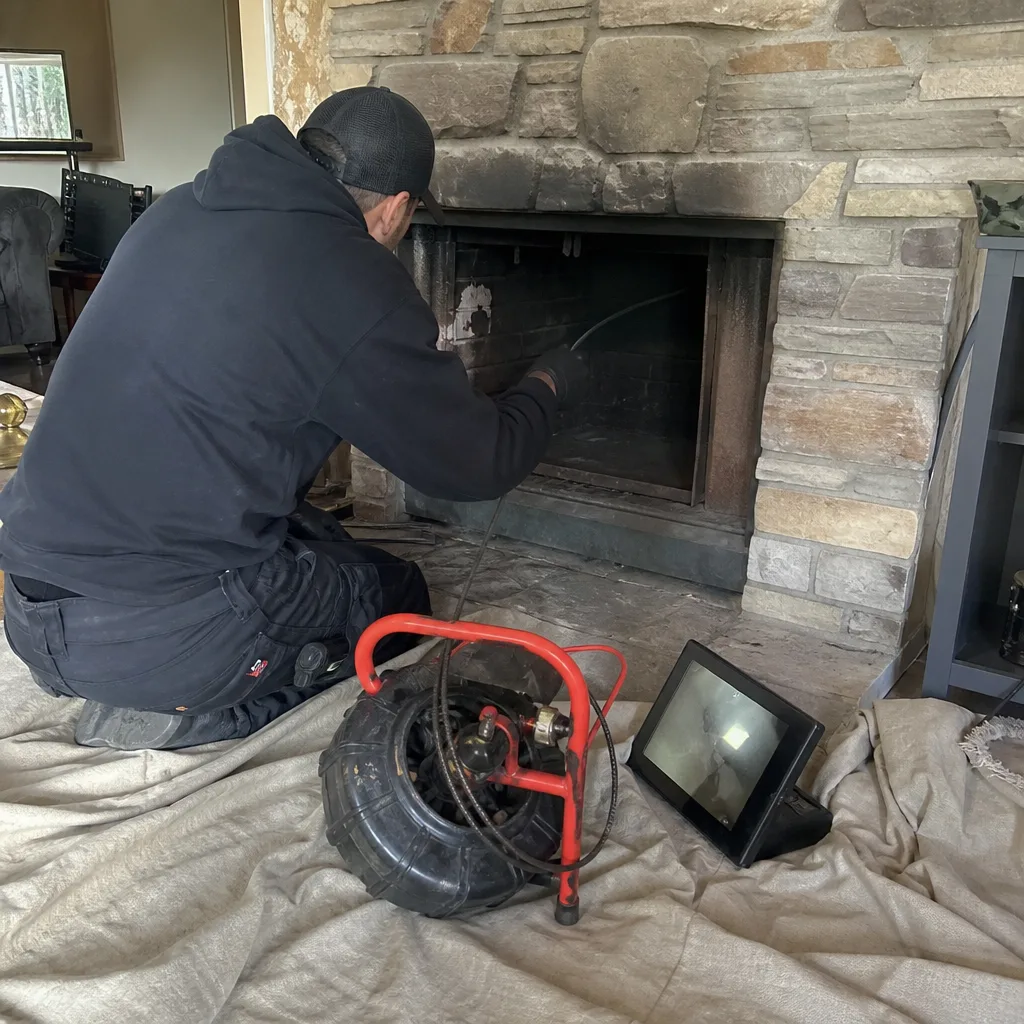
Chimney warning signs are not mysteries. Each maps to a specific defect, each defect has a predictable repair scope, and each scope can be verified with camera documentation before anyone quotes a price. The key is distinguishing symptoms that look similar but indicate vastly different problems: smoke smell with damper open versus closed, rust on damper versus firebox floor, summer tar odor versus normal post-burn residue. Chimney cleaning and sweep in Tacoma should include this diagnostic rigor as standard, not as an upgrade. At Level Two Chimney Co., we’ve operated under the Haven Standard since 2009, completed more than 38,000 inspections and cleanings, and delivered a written price before work started on every one. If you’re seeing warning signs, document them, check them against the urgency framework in this guide, and call for an estimate that includes the camera evidence to back up every recommendation.
Written by Corrine Halstead, Owner at Level Two Chimney Tacoma, serving Tacoma since 2009.