
Last updated September 22, 2026
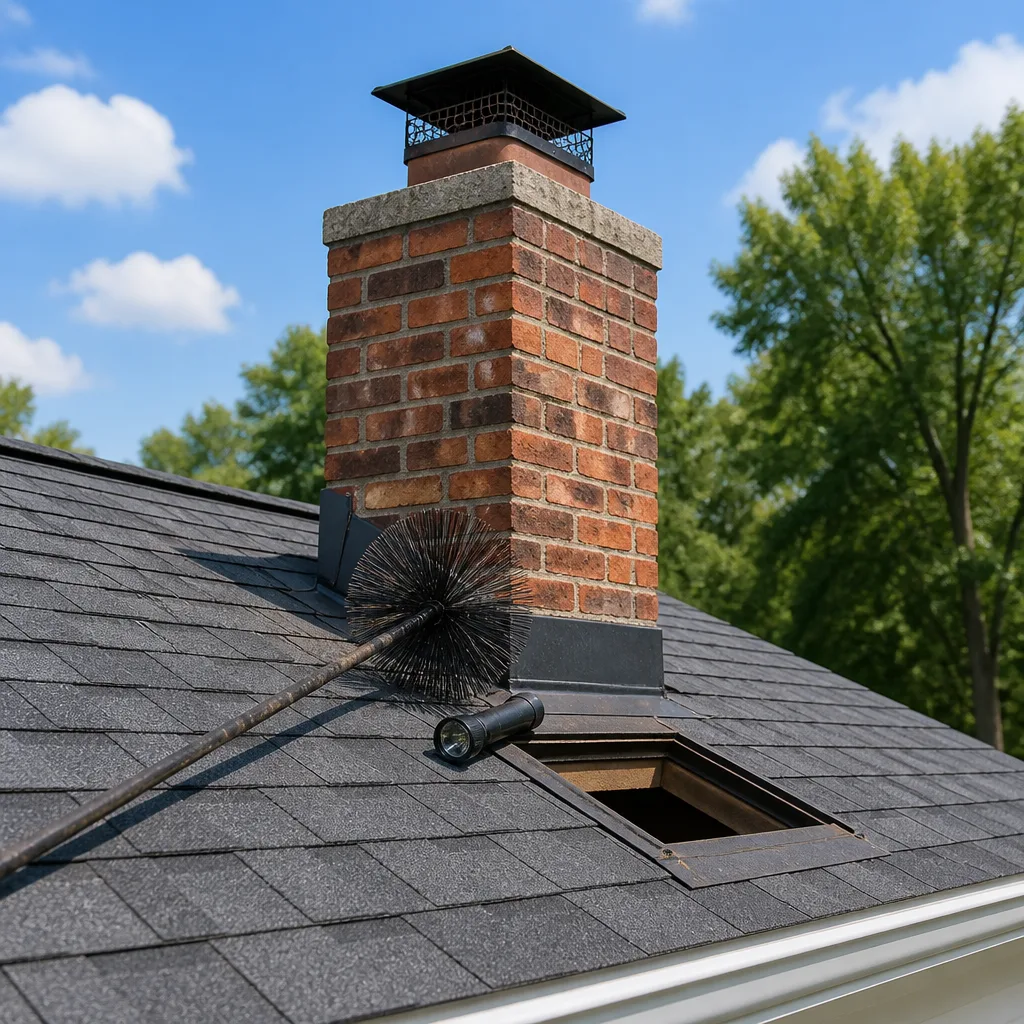
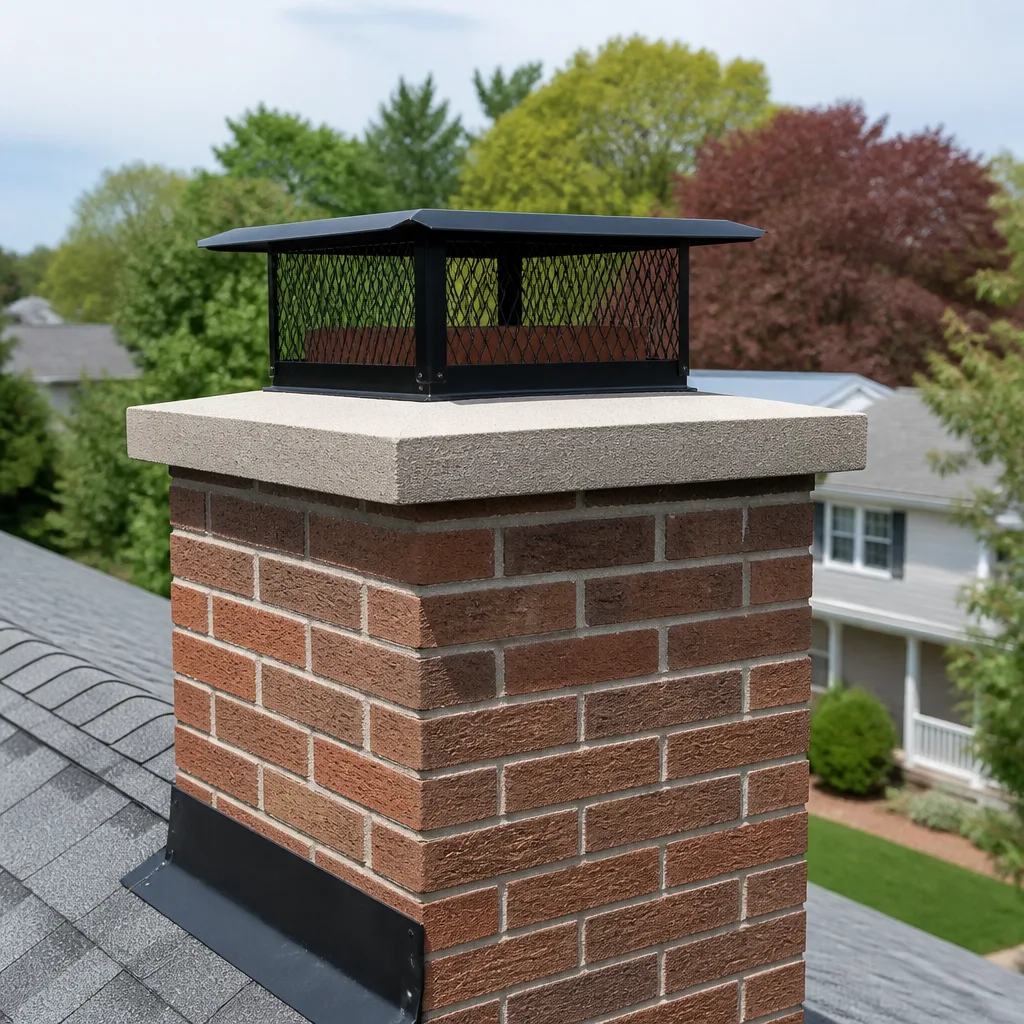
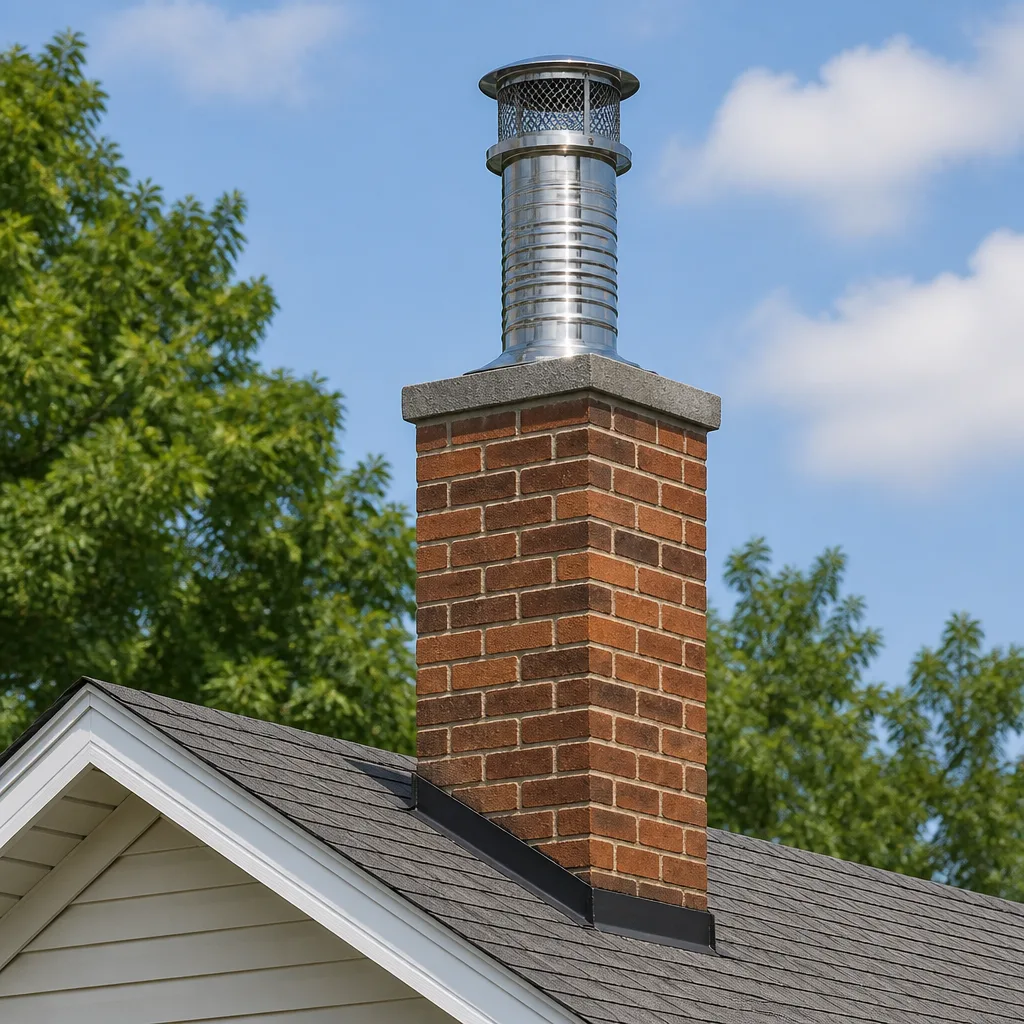
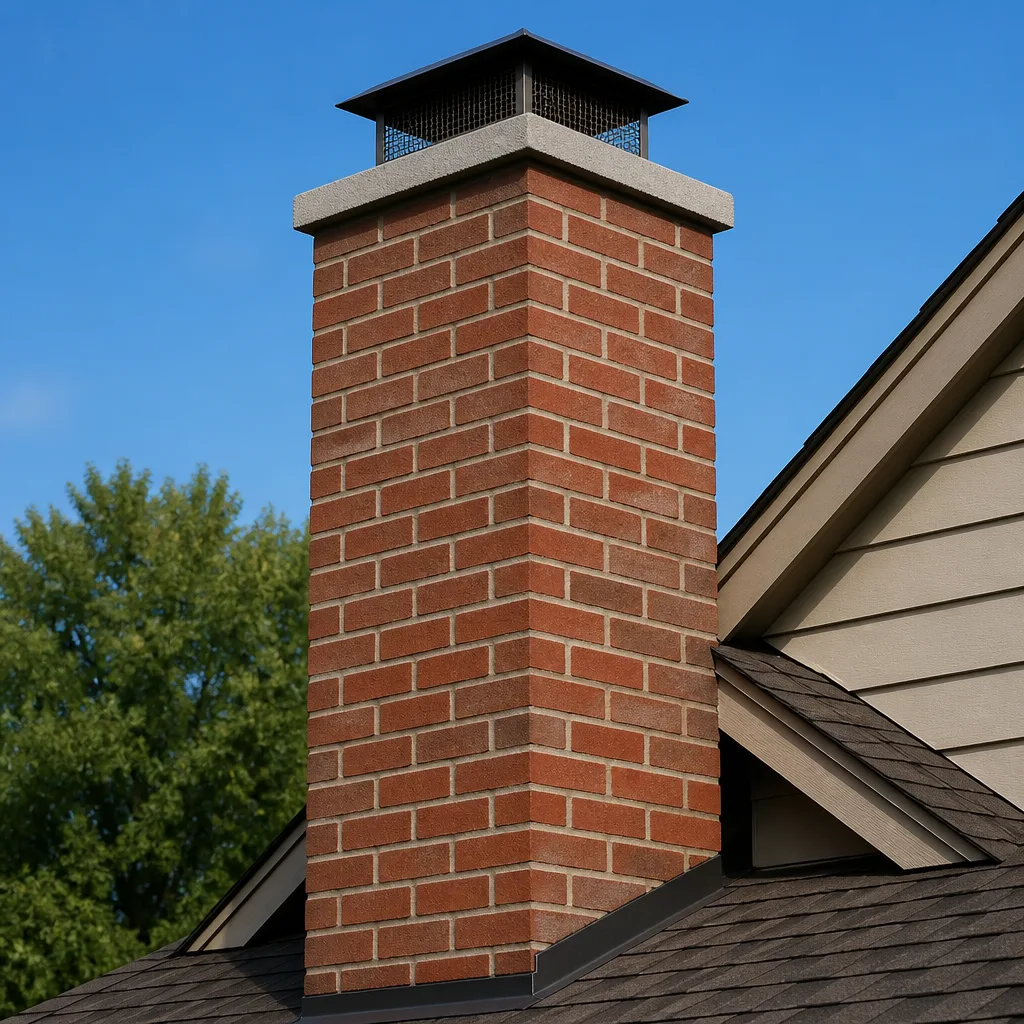
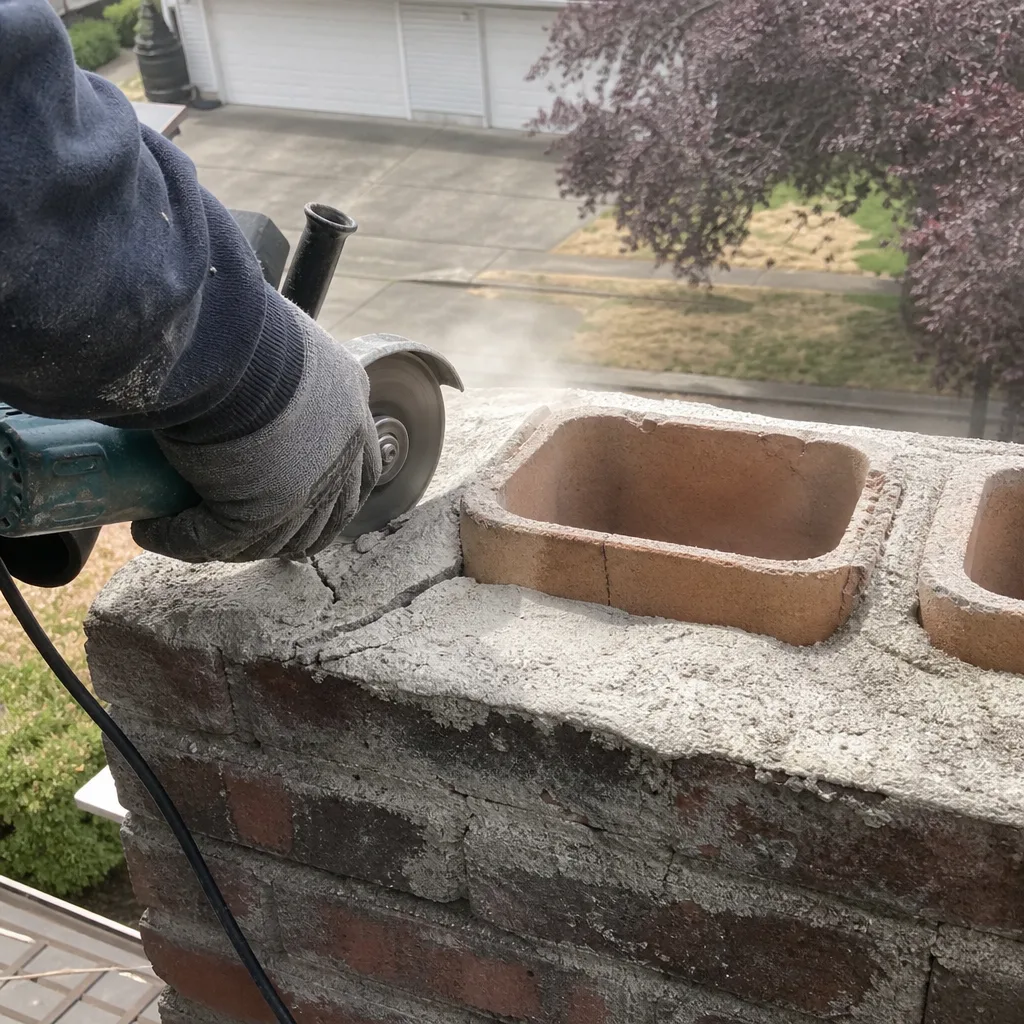
Level 1 sweep and inspection to the NFPA 211 annual standard - flue, crown, cap, and flashing checked and photographed
Chimney sweep logs do not sweep chimneys. They loosen some creosote - which then falls where a brush and vacuum still have to collect it.
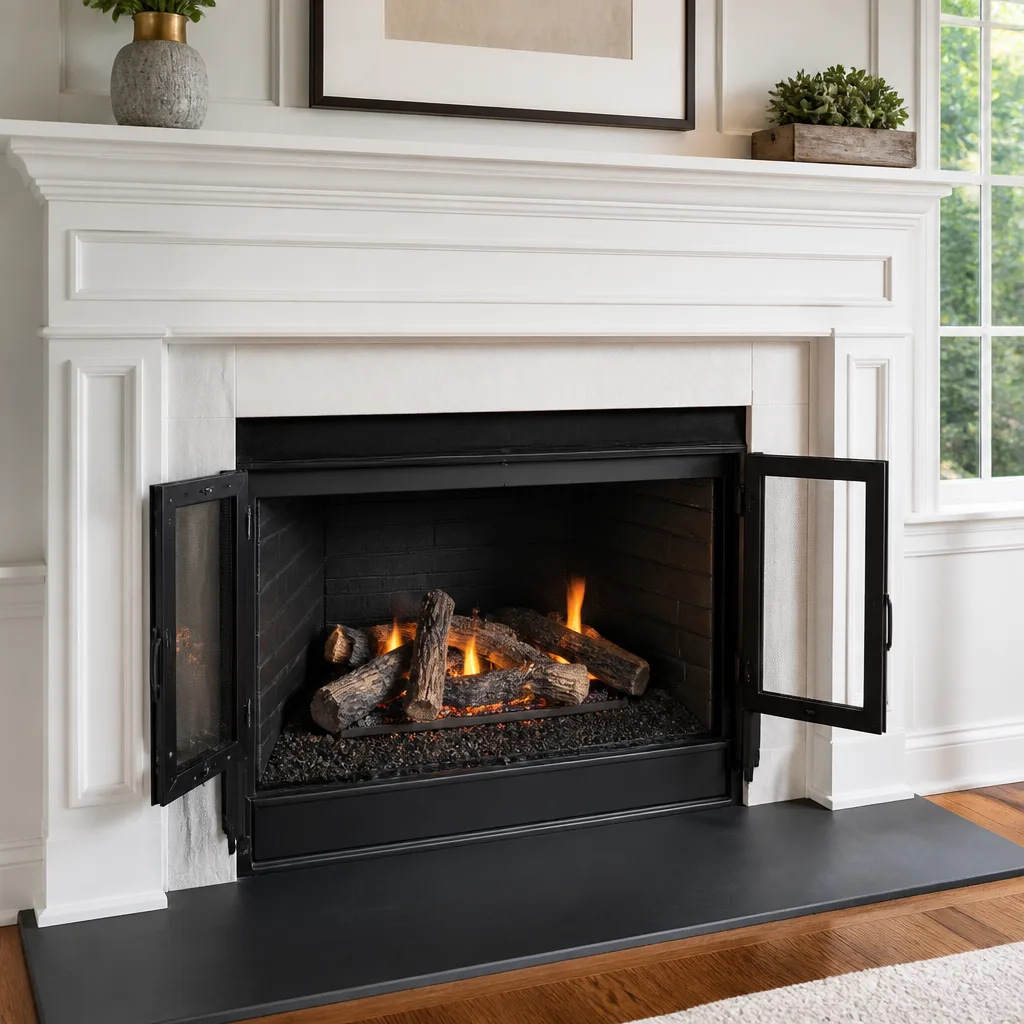
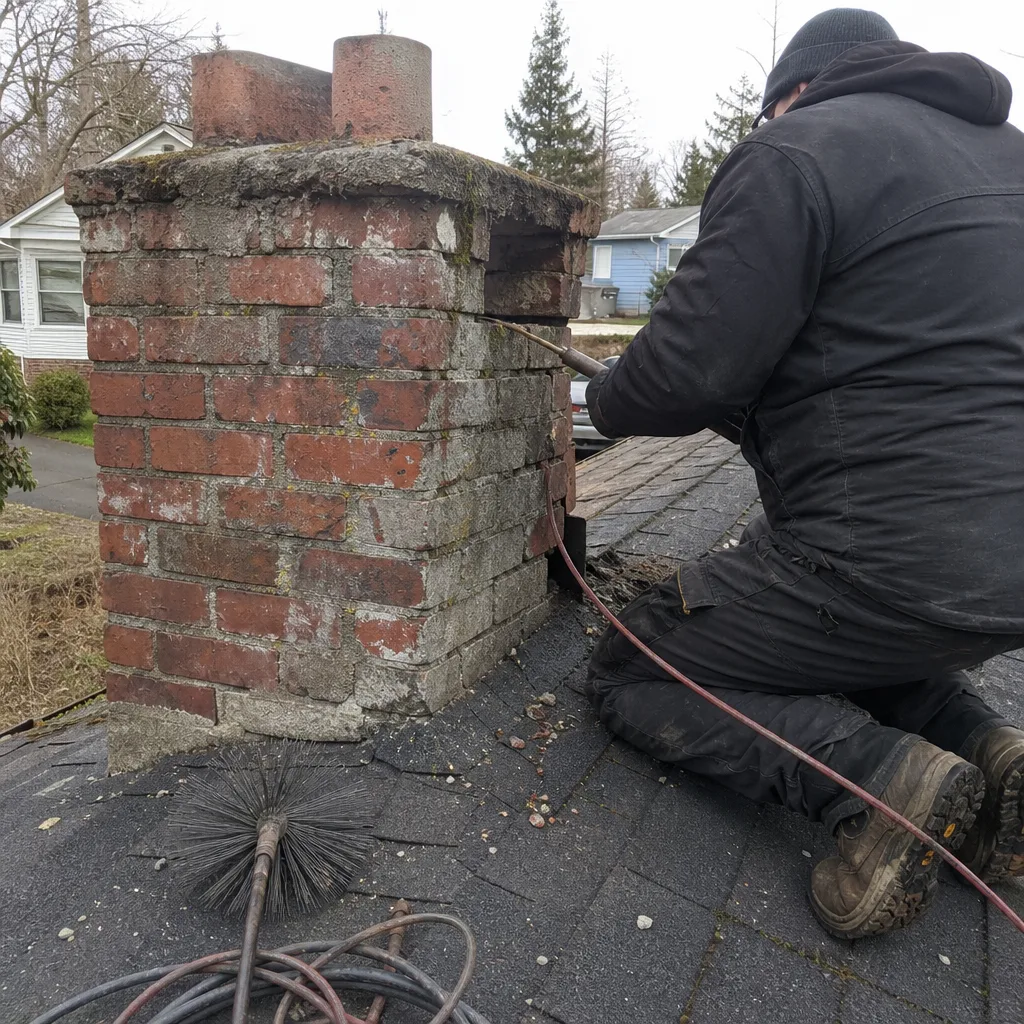 Before
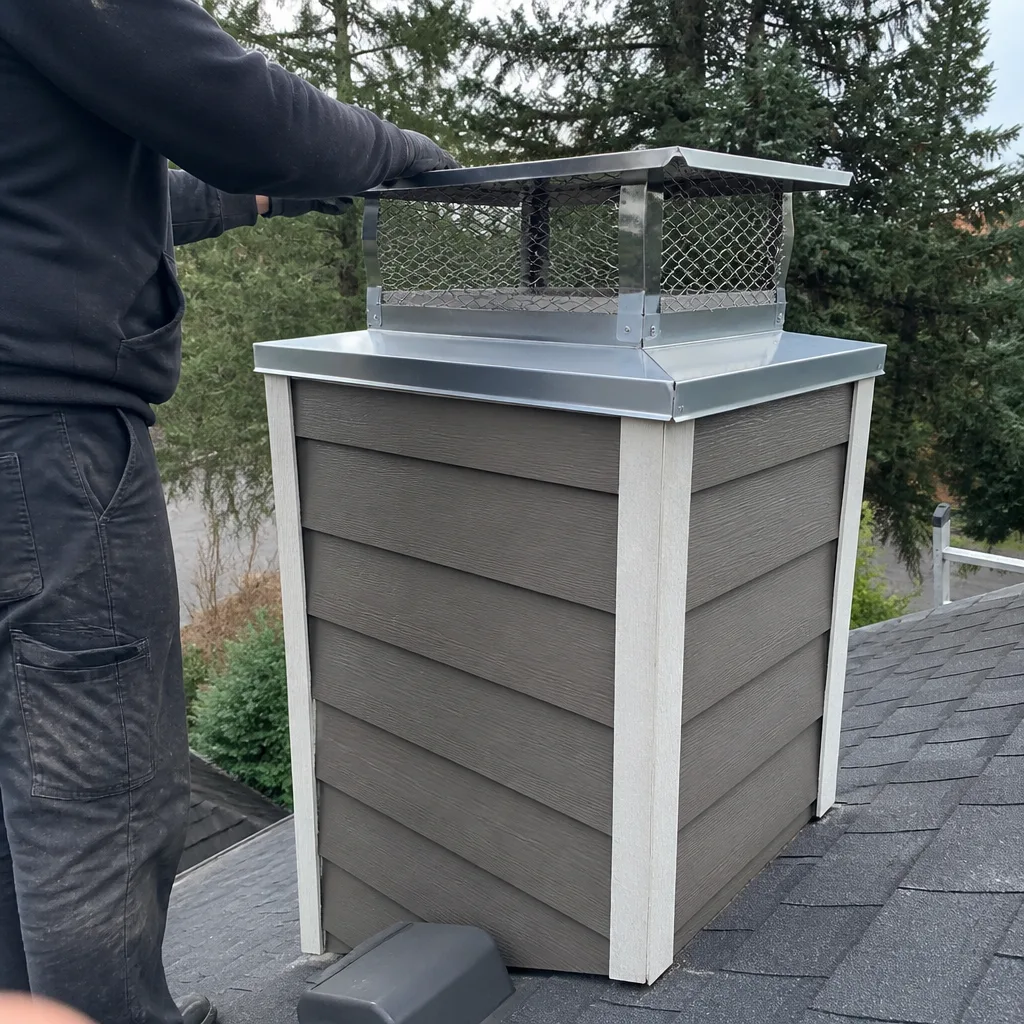 After
After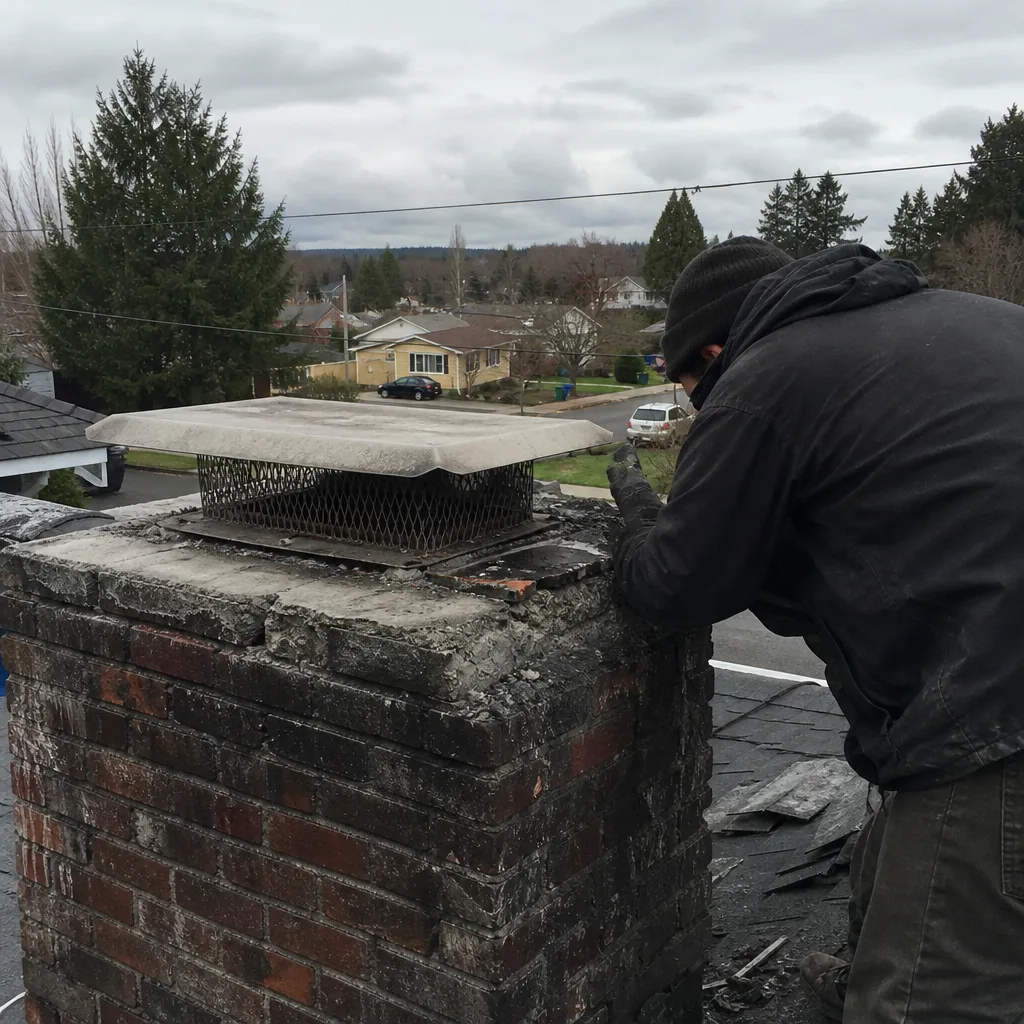 Before
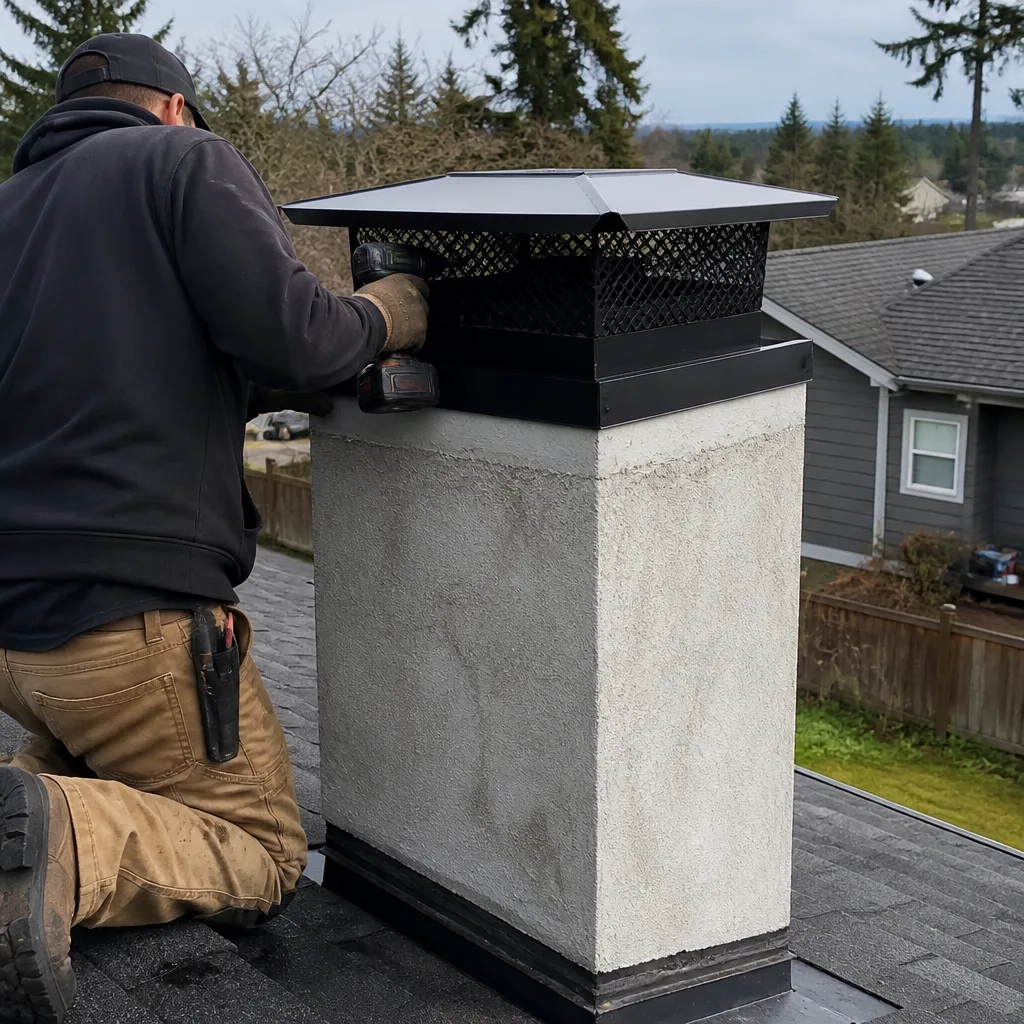 After
After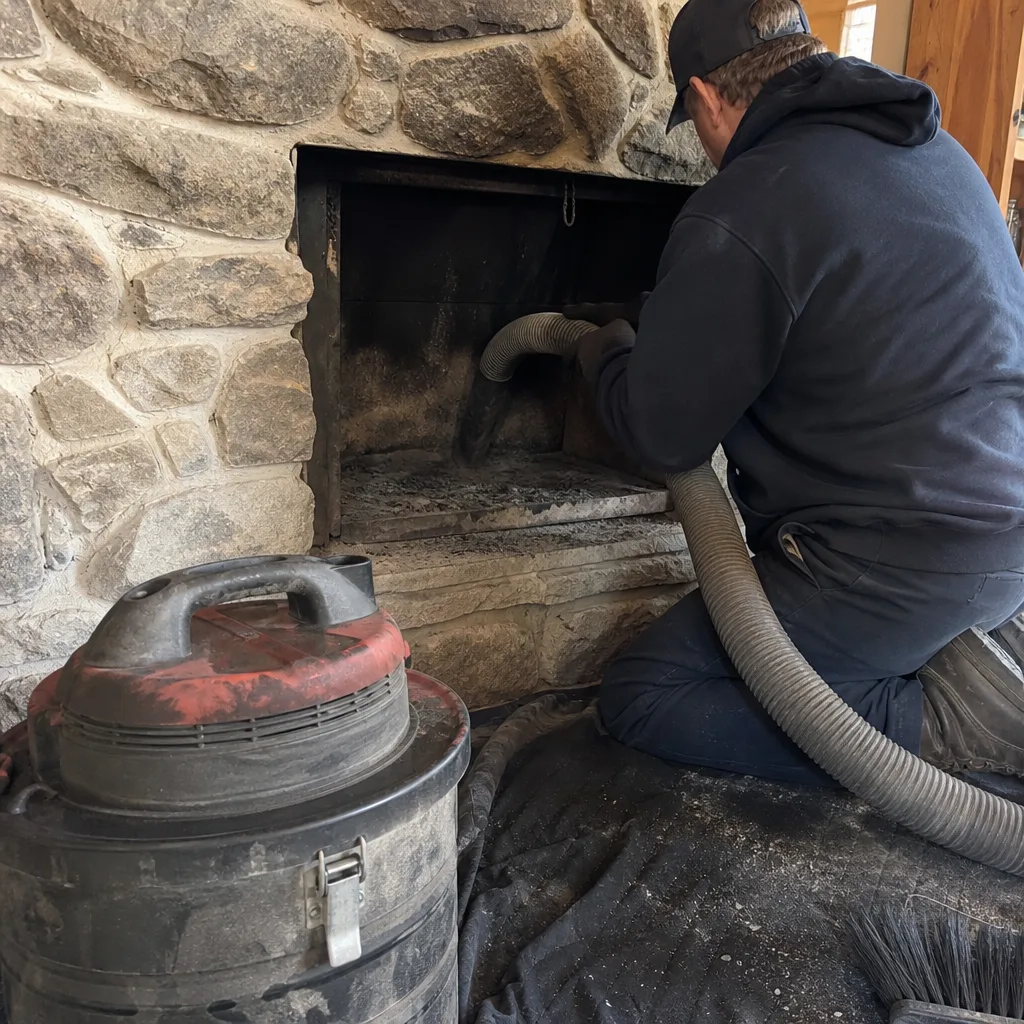 Before
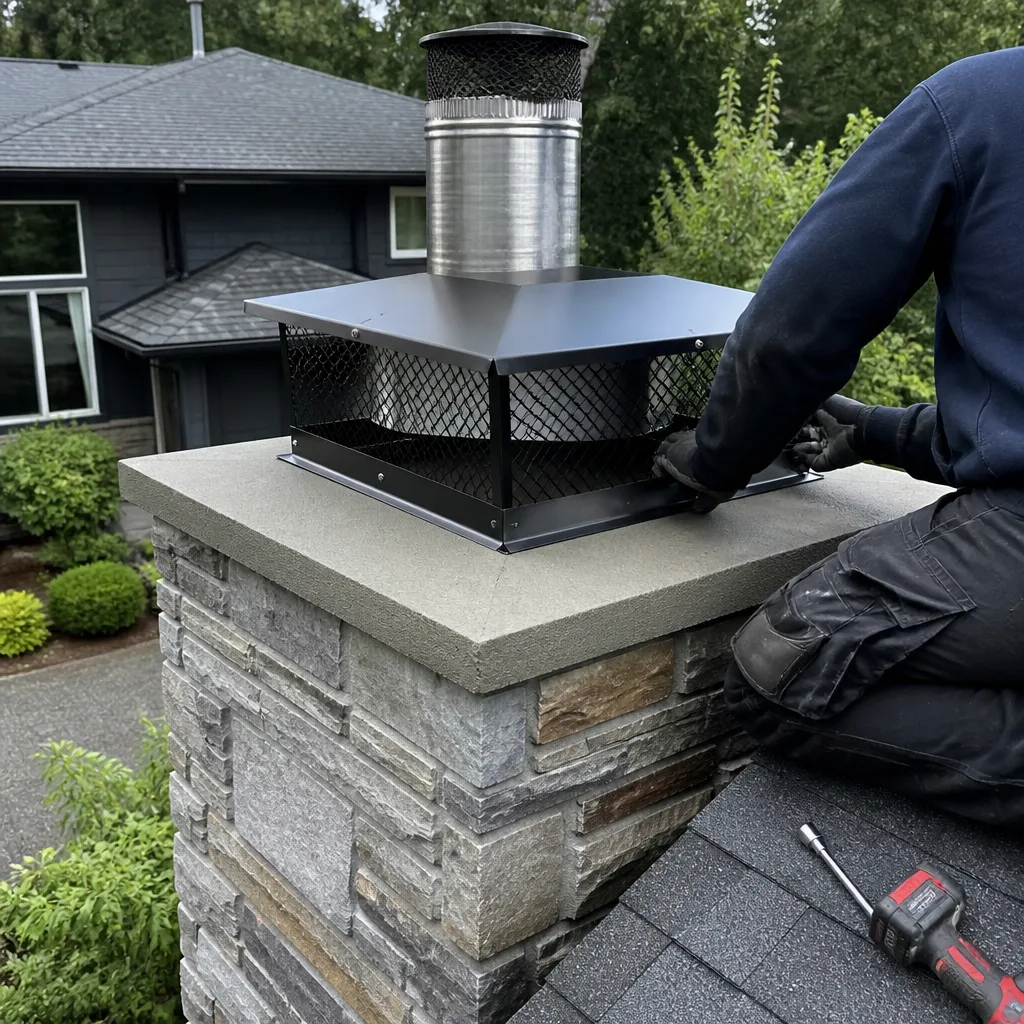 After
AfterThe Complete Guide to Chimney Cleaning in Tacoma
The Chimney Safety Institute of America reports that the majority of chimney fires occur in chimneys that had been “recently inspected.” That statistic tells you more about what passes for inspection than it does about chimney fires. In Tacoma, where wet winters and the South Sound’s wood-burning culture create ideal conditions for creosote buildup, a flashlight glance from a technician in a pickup truck is often sold as a “complete inspection.” This guide defines every step of a legitimate chimney cleaning and inspection cycle - camera, written findings, priced scope - so you can measure any company’s offer against a documented standard. Whether you live in North End, Proctor, or the hillside homes above Ruston Way, you’ll know exactly what should happen before anyone signs anything.
Quick Answer
A proper chimney cleaning in Tacoma includes a mechanical sweep of the flue, a camera-scan inspection of the interior liner and smoke chamber, and a written report with photo documentation - a process detailed in our DIY vs Professional Chimney Cleaning: The Tacoma Homeowner’s Decision Guide. Most single-flue systems cost between $275 and $425 when performed to NFPA 211 Level 2 standards, and the entire process takes 60 to 90 minutes. Anything less than a camera inspection with a documented record is not a complete cleaning - it’s a sweep that leaves hidden defects undiscovered.
Table of Contents
- What NFPA 211 Level 1, 2, and 3 Inspections Actually Require
- Tacoma-Specific Creosote Accumulation and the Wet-Wood Problem
- What a Camera Scan Reveals That a Visual Sweep Cannot
- How to Read a Written Scope of Work Before Signing
- The Difference Between a Cleaning Record and a Documented Inspection Record
- What Actually Happens During a Level Two Chimney Visit
- How Often Should Your Tacoma Chimney Be Swept
- Common Mistakes to Avoid
- When to Call a Professional
- Frequently Asked Questions
 Before
 After
AfterWhat NFPA 211 Level 1, 2, and 3 Inspections Actually Require
The National Fire Protection Association defines three inspection levels in NFPA 211, the standard that governs chimney and venting systems. Most Tacoma homeowners have never seen the actual text. Here’s what each level requires, and which one your last “inspection” probably was.
Level 1 - The Flashlight Look. This is a visual examination of readily accessible portions of the chimney exterior, interior, and appliance and chimney connection. “Readily accessible” means no tools, no ladders beyond a step stool, and no damage to building materials. A technician shines a flashlight up the flue from the fireplace opening or from the cleanout door. They cannot see the middle and upper flue tiles, cannot inspect behind the damper, and cannot evaluate the smoke chamber - the area above the damper where most chimney fires begin. In our experience inspecting chimneys in Tacoma’s older North End homes, a Level 1 misses approximately 60% of active defects.
Level 2 - The Camera Scan. This is the inspection standard required by NFPA 211 when a property changes hands, after a chimney fire, when the fuel type changes, or when any portion of the system is modified. It includes everything in Level 1 plus examination of accessible attics, crawl spaces, and basements, and - critically - a video scan of the interior flue liner and smoke chamber. The camera is pushed up (or lowered down) the full length of the flue, recording every joint, every crack, every glaze deposit. At Level Two Chimney Tacoma, we made this the default on every visit in 2009, years before insurers or real estate attorneys routinely asked for it. That practice became Clause 4 of the Haven Standard.
Level 3 - The Demolition Inspection. This is required when a Level 1 or 2 inspection reveals a hidden hazard that cannot be evaluated without removing building components. It involves demolition of walls, chimney surrounds, or other structures to gain access. Level 3 is rare in routine maintenance; it is typically triggered by evidence of a previous chimney fire, structural movement, or suspected liner failure that cannot be confirmed by camera alone.
Here is the question every Tacoma homeowner should ask: “Does your inspection include a camera scan of the full flue length?” If the answer is no, you are paying for Level 1 work at any price point. The flashlight look is not a “basic inspection.” It is a deliberately limited examination that leaves most of the system unexamined.
Tacoma-Specific Creosote Accumulation and the Wet-Wood Problem
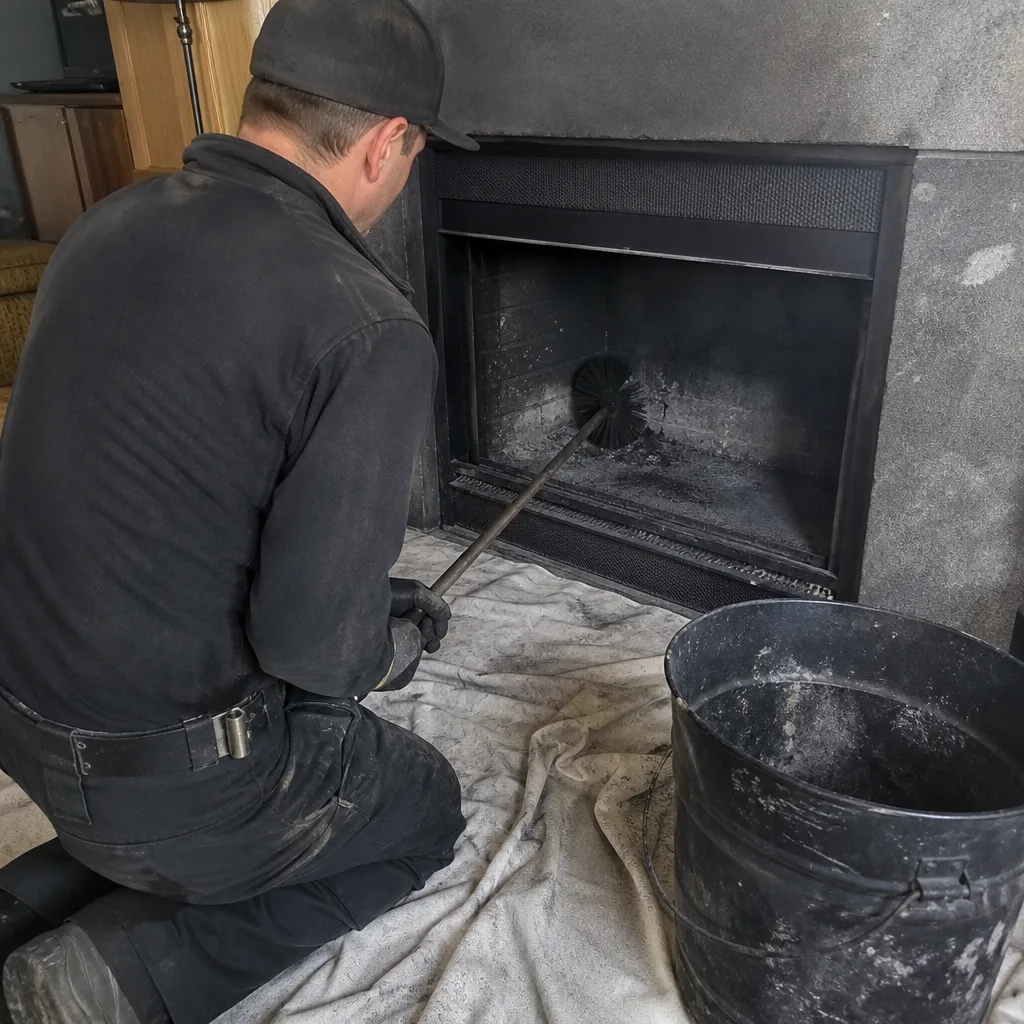
Tacoma’s climate and culture create creosote conditions that differ from drier inland markets. Understanding this difference explains why some local chimneys need sweeping twice per season while others can run 18 months.
The South Sound moisture cycle. Tacoma receives 39 inches of annual precipitation, concentrated October through May. Firewood harvested in the region - particularly alder and maple common in Pierce County - often enters the burning season at 25-30% moisture content even when “seasoned.” The EPA recommends burning only wood below 20% moisture. Every percentage point above that threshold increases creosote deposition rate by a measurable margin. In the hillside neighborhoods above Commencement Bay, where homeowners burn for ambiance on damp winter evenings, we regularly find Class III glazed creosote (the hardened, tar-like deposit that cannot be removed by standard brushing) in chimneys that were swept just 12 months prior.
Wet-wood burning culture. Tacoma has a strong tradition of wood heat in the post-war neighborhoods of South Tacoma and the East Side, where original oil furnaces were replaced by wood stoves in the 1970s and 1980s. Many of these installations used unlisted stovepipe connectors and modified thimbles. The combination of marginal draft, cooler flue temperatures from damp fuel, and extended smoldering burns creates what sweeps call “slow-cooking” conditions - ideal for creosote formation. In Proctor and the Stadium District, where newer homeowners have restored original fireplaces, the problem shifts: decorative fires with restricted air supply and marginal flue temperatures produce the same result.
The Tacoma creosote calendar. Based on our 38,000+ inspections since 2009, Tacoma chimneys fall into three use patterns:
- Primary heat source, daily burns: Sweep every 1.5-2 cords burned, typically mid-season and end-of-season. In a normal Tacoma winter, this means November and March.
- Supplemental heat, 3-4 fires weekly: Annual sweep before burning season begins, ideally September or October before the first sustained cold period.
- Occasional ambiance fires: Every 2-3 years if burning dry hardwood; annually if burning anything else or if the installation predates 1990.
The key variable is not calendar time but fuel quality and burn pattern. A moisture meter for firewood costs $25. It will save you the cost of a mid-season sweep or a liner replacement.
What a Camera Scan Reveals That a Visual Sweep Cannot
A mechanical sweep removes loose soot and creosote from the flue surface. It does not diagnose the condition of the flue itself. The camera scan is the diagnostic tool; the sweep is the maintenance procedure. Separating these two functions - or worse, omitting the camera entirely - is how hidden defects become emergency repairs.
Here are the specific defect categories a camera scan identifies, with examples from Tacoma chimneys we’ve documented:
- Liner cracks and spalling. Clay flue tiles crack from thermal shock (rapid temperature change) or from chimney fires that the homeowner may not have recognized. A crack running the full height of a tile allows combustion gases to enter the chimney cavity, where they can overheat adjacent framing or leak into living spaces. In a 2023 inspection of a 1924 home in the North End, our camera found a vertical crack in the third flue tile from the top - invisible from below because the damper blocked the sightline. The crack had been present for an estimated 5-7 years based on carbon staining pattern.
- Offset or separated joints. Clay flue tiles are stacked with refractory mortar joints. Seismic activity, freeze-thaw cycling, or improper original construction can create gaps between tiles. A 1/2-inch offset at a joint creates a ledge where creosote accumulates and where a chimney fire can establish sustained ignition. In Tacoma’s hillside neighborhoods with significant elevation changes, we’ve found offset joints in approximately 15% of pre-1980 chimneys.
- Blockage deposits and animal nesting. Swifts, squirrels, and raccoons are active in Tacoma’s mature tree canopy. A visual sweep from below may clear the lower flue while missing a partial blockage above the damper. The camera reveals the full extent. In 2022, we documented a swift nest in a flue on the west side of Point Defiance that had reduced effective flue diameter by 40%. The homeowner had experienced “some smoke backup” but had been told by a previous company that the draft was “probably just atmospheric.”
- Smoke chamber defects. The smoke chamber is the area above the damper where the fireplace transitions to the flue. NFPA 211 requires it to be parge-coated (smoothed with refractory mortar) to reduce turbulence and creosote accumulation. Most pre-1980 smoke chambers are corbeled brick - stepped inward like a pyramid - with rough surfaces that trap creosote and accelerate buildup. A camera lowered from above or viewed from below with a wide-angle lens reveals the condition. A visual sweep from the fireplace opening does not.
- Flue liner displacement or failure. Stainless steel liners can separate from top plates, develop corrosion at the waterline, or collapse from improper support. Clay liners can shift from their original position. The camera documents the full length and provides the evidence needed for insurance or real estate disclosure.
Clause 4 of the Haven Standard requires a photo record on every job. This is not an optional add-on. It is the documentation that distinguishes a cleaning from an inspection, and it is the record that protects both the homeowner and the sweep company if a defect is later disputed.
How to Read a Written Scope of Work Before Signing
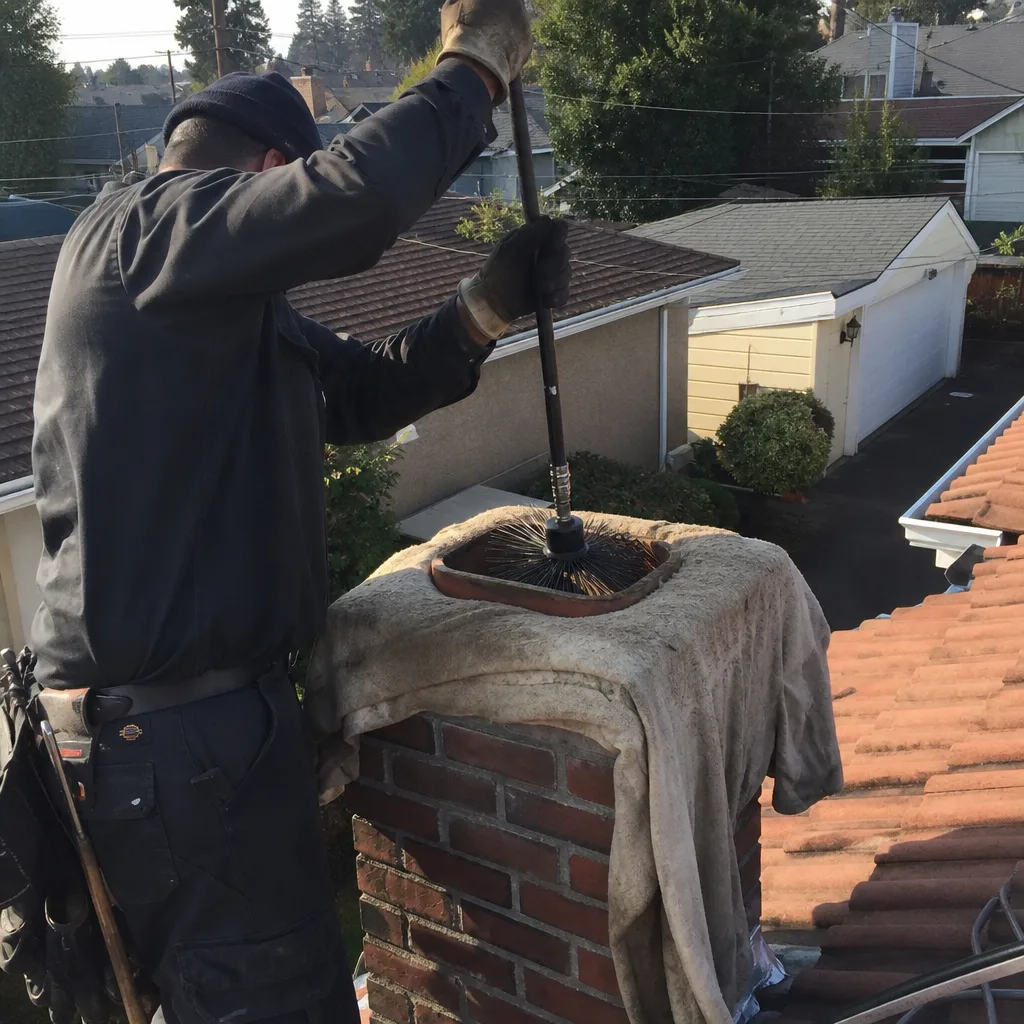
The Haven Standard’s Clause 1 - “Have it in writing” - requires a written price, written scope, and written warranty before any work begins. This is not administrative preference. It is the mechanism that prevents the “while we were up there” upsell that dominates consumer complaints in the chimney industry.
A binding scope of work must contain four specific line items. If any are missing, the estimate is incomplete:
- Description of the work to be performed. Not “clean chimney.” Specify: “Mechanical sweep of single flue, NFPA 211 Level 2 camera inspection, photo documentation, written report.” For repairs: “Remove and replace deteriorated crown with poured concrete crown, minimum 2-inch overhang, bonded to existing brick with expansion joint.”
- Materials and methods. The scope should name the products to be used. “Stainless steel liner” is insufficient. “316Ti stainless steel liner, DuraFlex or equal, with listed top plate and rain cap” is specific and verifiable. At Level Two Chimney Tacoma, we source materials through Haven’s buying network from DuraFlex, HeatShield, Gelco, Olympia Chimney, Famco, and Copperfield specifically to keep customer prices honest and to prevent substitution with unlisted products.
- Total price and payment terms. A single number, inclusive of labor and materials, with no open-ended allowances. If additional work may be needed based on inspection findings, the scope should state the conditions and the price for each contingency: “If liner crack exceeds 12 inches, liner replacement at $X additional.”
- Warranty terms and duration. The 365-Day Done Right Promise - if it’s not done right, we make it right - is stamped on every job. The scope should specify what is warranted (workmanship, materials, or both), for how long, and what triggers a callback. A “lifetime warranty” on a liner that excludes labor for reinstallation is not a lifetime warranty.
The written scope is your protection against the three most common Tacoma-area complaints: work performed without authorization, materials substituted without notice, and warranties that evaporate when the company name changes. We have provided free second opinions on competitor estimates where the “written quote” was a carbon-copy form with a single number and no scope description. That is not a contract. It is a blank check.
The Difference Between a Cleaning Record and a Documented Inspection Record
This distinction matters for insurance claims, real estate transactions, and personal liability. A cleaning record proves that a sweep occurred. A documented inspection record proves what was found, what was recommended, and what the condition was at a specific point in time.
The cleaning record. Typically a receipt or invoice stating “chimney swept” with a date and price. It contains no information about the flue condition, no photos, no measurements. It satisfies the minimum requirement of some homeowner insurance policies that mandate “annual chimney maintenance,” but it provides no defense if a fire occurs and the insurer investigates whether the chimney was actually safe to use.
The documented inspection record. Includes: the NFPA 211 inspection level performed; date and technician identification; camera footage or still photos of the full flue length; written description of findings with measurements (crack length, creosote thickness, liner dimensions); recommendations with priority classification (immediate, monitor, routine maintenance); and the customer’s acknowledgment of receipt. This is the record that real estate attorneys request during disclosure disputes. It is the record that insurance adjusters review after a chimney fire. It is the record that protects a homeowner who has done everything correctly.
In Tacoma’s active real estate market, where homes in the North End and Proctor regularly sell above asking with multiple offers, the documented inspection record has become a transaction requirement, as covered in our How to Hire a Chimney Cleaning Contractor in Tacoma: A Step-by-Step Guide. Buyers’ agents increasingly request Level 2 documentation as a condition of closing. Sellers who cannot produce it face either a pre-closing inspection at their expense or a price reduction. The $275-$425 cost of a documented inspection is negligible compared to a $15,000 liner replacement demanded during escrow - or the liability if an undisclosed defect causes injury after sale.
Clause 4 of the Haven Standard requires this documentation on every visit. We have maintained this practice continuously since 2009. Our archive contains more than 38,000 documented records, searchable by address, available to the homeowner at any time.
What Actually Happens During a Level Two Chimney Visit
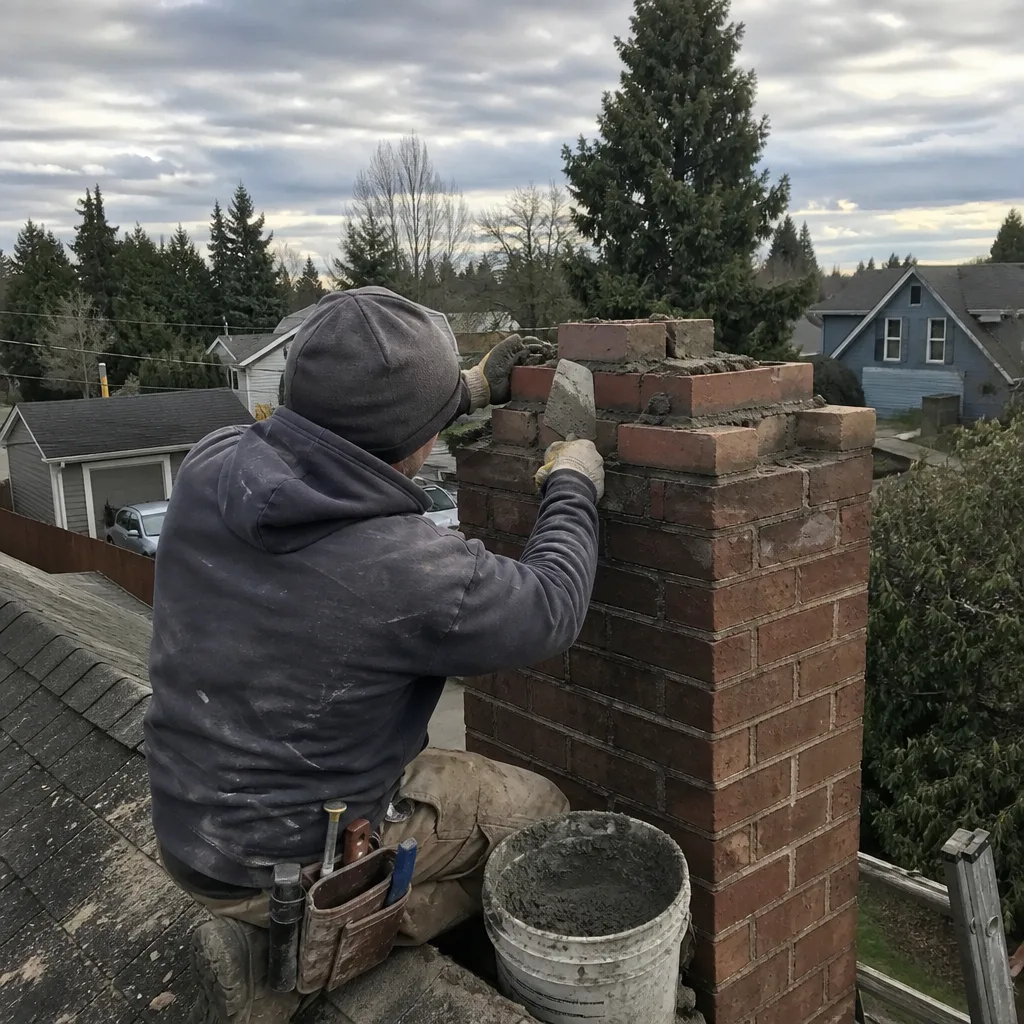
Knowing the sequence lets you evaluate whether what you’re receiving matches what was promised. A proper visit to a Tacoma home follows this structure:
- Arrival and setup. The technician arrives in a marked vehicle, in uniform, with license information visible. You receive a text when they are en route. They lay protective floor coverings from the entry to the work area and inspect the exterior chimney condition - crown, cap, brickwork, flashing - before entering the home.
- Interior examination. The firebox, damper, and smoke chamber are examined with high-intensity lighting. The technician notes the fireplace construction type (Rumford, heatilator, masonry heater, factory-built), the damper condition, and any visible defects in the firebox brick or refractory panels.
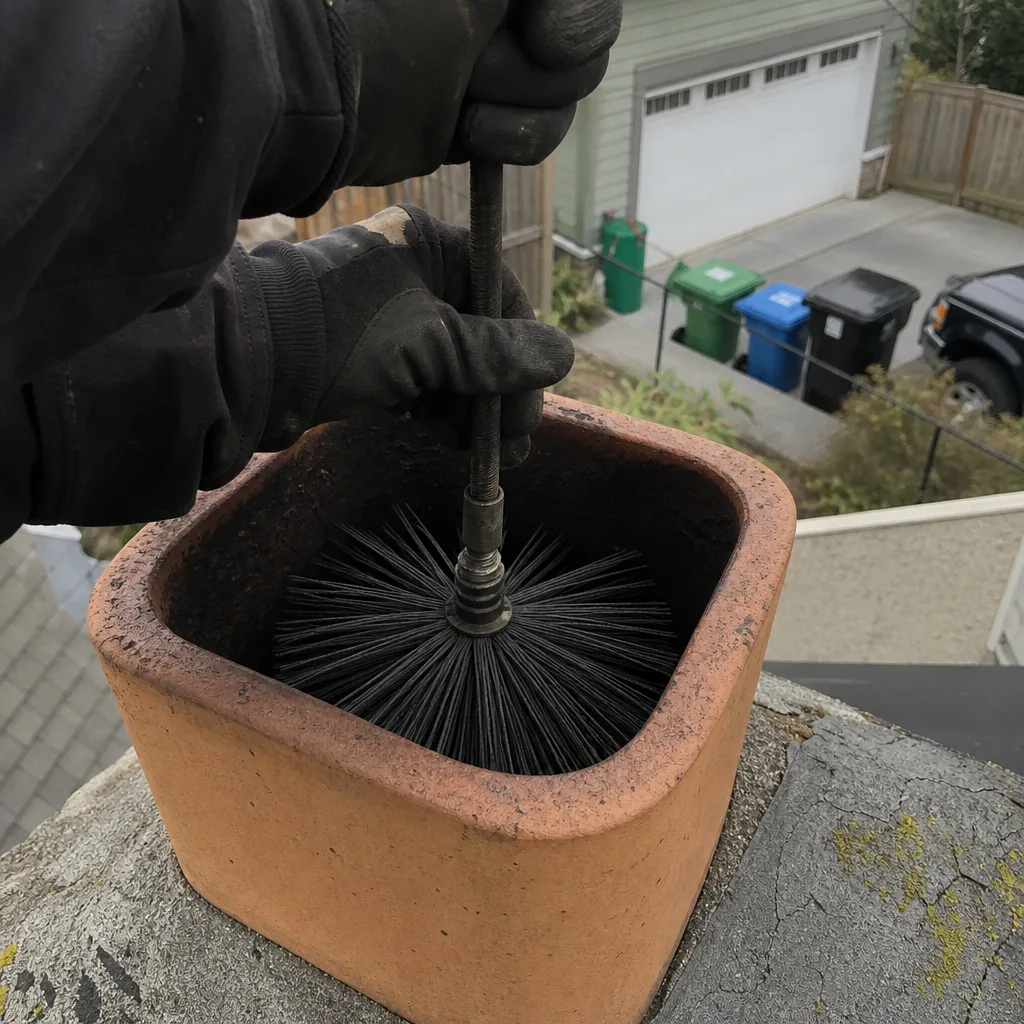
- Mechanical sweep. Rotary or manual brushes, sized to the flue diameter, are used to remove soot and creosote. Debris is collected with a HEPA vacuum system. For Class III glazed creosote, chemical treatment may be applied to soften deposits before mechanical removal.
- Camera scan. The video inspection camera is inserted and advanced the full flue length. The technician narrates findings in real time; you may view the feed if present. The camera is then withdrawn slowly for a second-pass examination of any anomalies.
- Documentation and consultation. The technician compiles the written report with photos, explains findings in plain terms, and provides the written scope and price for any recommended work. This occurs before any additional work begins. You receive a copy before the technician departs.
- Cleanup and departure. The work area is restored to original condition. The technician provides the documented record and schedules any follow-up work at your discretion.
Total time: 60-90 minutes for a standard single-flue system. Longer for multiple flues, significant creosote accumulation, or complex access conditions common in Tacoma’s hillside homes.
How Often Should Your Tacoma Chimney Be Swept
The NFPA 211 standard states: “Chimneys, fireplaces, and vents shall be inspected at least once a year for soundness, freedom from deposits, and correct clearances.” The Chimney Safety Institute of America adds: “Cleaning, maintenance, and repairs shall be done if necessary.” The key word is “if necessary” - which depends on use, fuel, and installation.
For Tacoma specifically, we recommend this schedule based on 15 years of local data:
- Wood-burning fireplace or stove, primary heat: Inspection and sweep before burning season; mid-season sweep if burning more than 2 cords by January. In the damp winters of 2022 and 2023, we saw accelerated buildup in homes burning marginal fuel.
- Wood-burning, supplemental or occasional use: Annual inspection with sweep as needed. The inspection determines whether sweeping is necessary; the camera reveals whether the flue condition has changed.
- Gas fireplace or insert: Annual inspection of the venting system, burner, and safety controls. Gas systems do not produce creosote, but they can develop condensation corrosion, debris blockage, or control failures. The ceramic logs and burner ports require cleaning to maintain proper flame pattern and CO production levels.
- Pellet stove: Clean the vent system and inspect the combustion chamber per manufacturer schedule, typically every 1-2 tons of pellets burned. The exhaust vent requires specific cleaning tools; standard chimney brushes are not appropriate.
- Unused chimney: Inspection every 2-3 years for structural deterioration, water intrusion, and animal intrusion. An unused chimney in Tacoma’s wet climate degrades faster than an active one if the crown or cap has failed, because there is no drying heat cycle.
The definitive measure is not the calendar but the inspection findings. A chimney that was clean last year may have developed a crack or blockage. A chimney that needed sweeping after 8 months may run 14 months the following year if fuel quality improves. The camera inspection provides the data; the schedule follows from the data.
Common Mistakes to Avoid
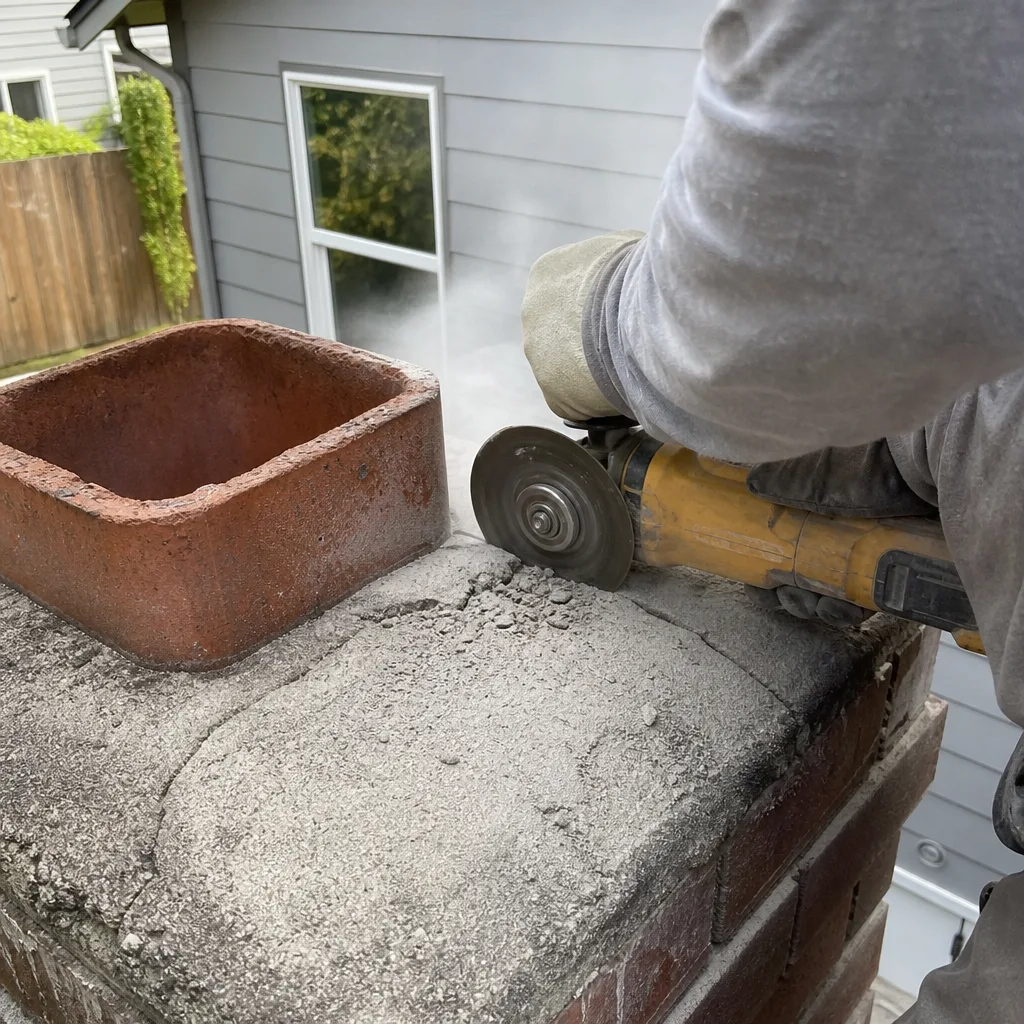
- Hiring based on the lowest price without verifying what’s included. A $99 “chimney sweep special” in Tacoma typically includes 30 minutes of work, no camera, and a sales pitch for $3,000 in “urgent” repairs. The true cost is revealed only after the technician is in your home.
- Assuming a new home purchase inspection included the chimney. General home inspectors in Washington State are not required to perform NFPA 211 Level 2 inspections. They may note visible exterior defects but lack the equipment and training for interior flue evaluation. We have found active liner cracks in chimneys that received clean general inspection reports.
- Burning unseasoned wood because it’s available. The free alder from a neighbor’s tree removal in Tacoma’s spring windstorm season is tempting. If it hasn’t dried for 12 months minimum, it will deposit creosote at 2-3 times the rate of properly seasoned hardwood. The cost of an extra sweep exceeds the value of free fuel.
- Ignoring slow draft or smoke backup as “atmospheric.” These symptoms indicate a blockage, flue restriction, or pressure imbalance that requires diagnosis. In Tacoma’s older homes with updated weatherization, the combination of tight construction and exhaust fans can create negative pressure that reverses chimney flow. A camera scan identifies the cause; guessing wastes money and risks CO exposure.
- Accepting verbal recommendations without written documentation. If a technician tells you the liner is “cracked” or the crown is “shot” but provides no photos and no written scope, you have no basis for comparison or for insurance claim documentation. Clause 4 exists because we have seen too many homeowners pay for work that was never properly specified.
- Skipping maintenance because the fireplace “looks fine.” The visible firebox and hearth are the smallest portion of the system. Defects that cause fires and CO exposure occur in the flue liner and smoke chamber - areas you cannot see without specialized equipment.
- Using the wrong professional for repairs. A mason can rebuild a chimney exterior but may not be qualified to evaluate venting system safety. A standard sweep company may clean effectively but lack certification for liner installation. Chimney repair in Tacoma should be performed by technicians trained to the specific component being addressed, with documentation of materials and methods.
When to Call a Professional
Call for inspection before these conditions become emergencies: visible cracks in the firebox brick or refractory panels; rust or water staining on the damper or firebox walls; pieces of tile or debris in the fireplace; smoke entering the room during normal operation; a strong odor from the fireplace in warm weather (indicating creosote buildup or animal presence); or any chimney fire event, even if self-extinguished. After a seismic event, such as the 2019 Puget Sound tremor swarm, a Level 2 inspection is prudent for any masonry chimney.
Level Two Chimney Tacoma offers free estimates in Tacoma - call (253) 447-5982. Every estimate includes a written scope and price before any work begins, backed by the 365-Day Done Right Promise. We also provide free second opinions on any competitor’s written estimate.
Frequently Asked Questions
A proper chimney sweep with NFPA 211 Level 2 camera inspection in Tacoma typically costs between $275 and $425 for a single-flue system. This includes the mechanical sweep, full camera scan, photo documentation, and written report. Prices vary based on accessibility, creosote severity, and number of flues. Call (253) 447-5982 for an exact quote - estimates are free.
You need a new liner only if the existing liner is cracked, separated, improperly sized, or absent - and only if that condition is documented by camera inspection. We have reviewed competitor recommendations for full liner replacement where the actual defect was a single cracked tile repairable with a stainless steel insert or HeatShield application. Nothing is recommended without camera evidence you can see for yourself, and we will plainly tell you when work can safely wait.
Most Tacoma chimneys burning wood should be inspected annually and swept as needed. Homes burning wet or softwood, or using the fireplace as primary heat, often need mid-season sweeping. Gas systems require annual inspection of vents and controls but typically no sweeping. The definitive answer comes from the camera inspection, not the calendar.
Skipped maintenance leads to creosote accumulation, which increases chimney fire risk and can produce carbon monoxide if draft is restricted. In Tacoma’s wet climate, deferred maintenance also allows water intrusion that degrades mortar, rusts dampers, and damages adjacent framing. The cost of prevention is consistently lower than the cost of repair after failure.
A sweep removes deposits from the flue. An inspection evaluates the system’s condition. A complete service includes both: the sweep prepares the flue for accurate camera examination, and the inspection determines whether the system is safe to use. One without the other is incomplete. At Level Two Chimney Tacoma, both are included on every visit.
Mechanical sweeping of a ground-level fireplace with proper brushes and vacuum is physically possible for a homeowner. However, without camera inspection, you cannot evaluate liner condition, smoke chamber defects, or hidden blockages. For multi-story chimneys, steep roofs, or any system with a factory-built metal chimney, we recommend professional service due to fall risk and proper equipment requirements. The inspection component - the part that prevents fires and CO exposure - requires training and tools that do not pay back on single-home purchase.
Gas fireplaces do not produce creosote, but they require annual inspection and cleaning of burner ports, ceramic logs, and the venting system. Condensation in vents can produce corrosive residue, and control valves require testing for proper operation. Fireplace services in Tacoma should include combustion analysis and safety control verification, not just visual observation.
The Bottom Line
A legitimate chimney cleaning in Tacoma is defined by what you receive in writing, not by what you were told. The standard is NFPA 211 Level 2: camera down the flue, written findings, priced scope before work starts, and a documented record when it’s done. Anything less leaves hidden defects undiscovered and exposes you to liability, repair disputes, and safety risks that are entirely preventable. The wet-wood culture and marine climate of the South Sound make proper inspection more important here than in drier markets. For more guides & resources on protecting your home, see our blog. Know the difference between a flashlight look and a camera scan, between a cleaning receipt and a documented record, and between a verbal recommendation and a written scope with a warranty you can enforce.
Written by Corrine Halstead, Owner at Level Two Chimney Tacoma, serving Tacoma since 2009.