
Last updated September 22, 2026
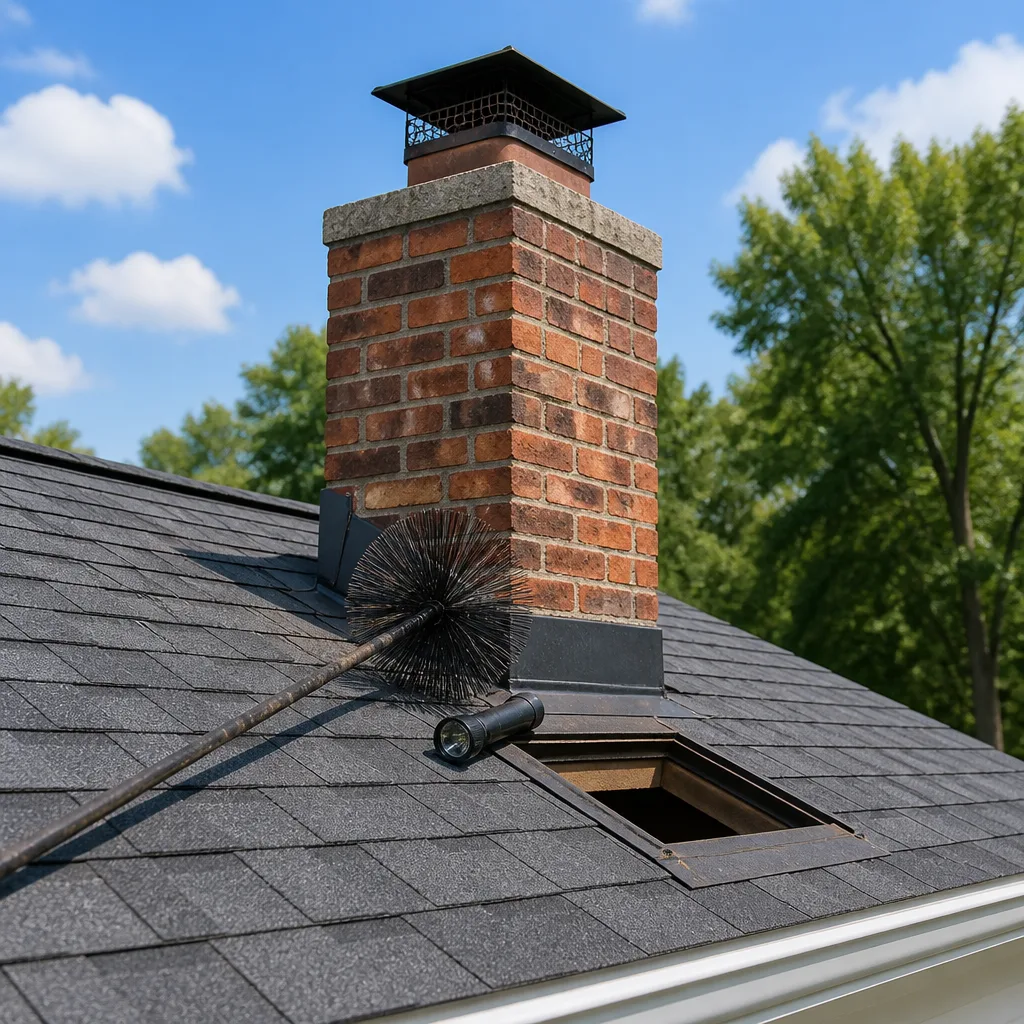
Level 1 sweep and inspection to the NFPA 211 annual standard - flue, crown, cap, and flashing checked and photographed
Chimney sweep logs do not sweep chimneys. They loosen some creosote - which then falls where a brush and vacuum still have to collect it.
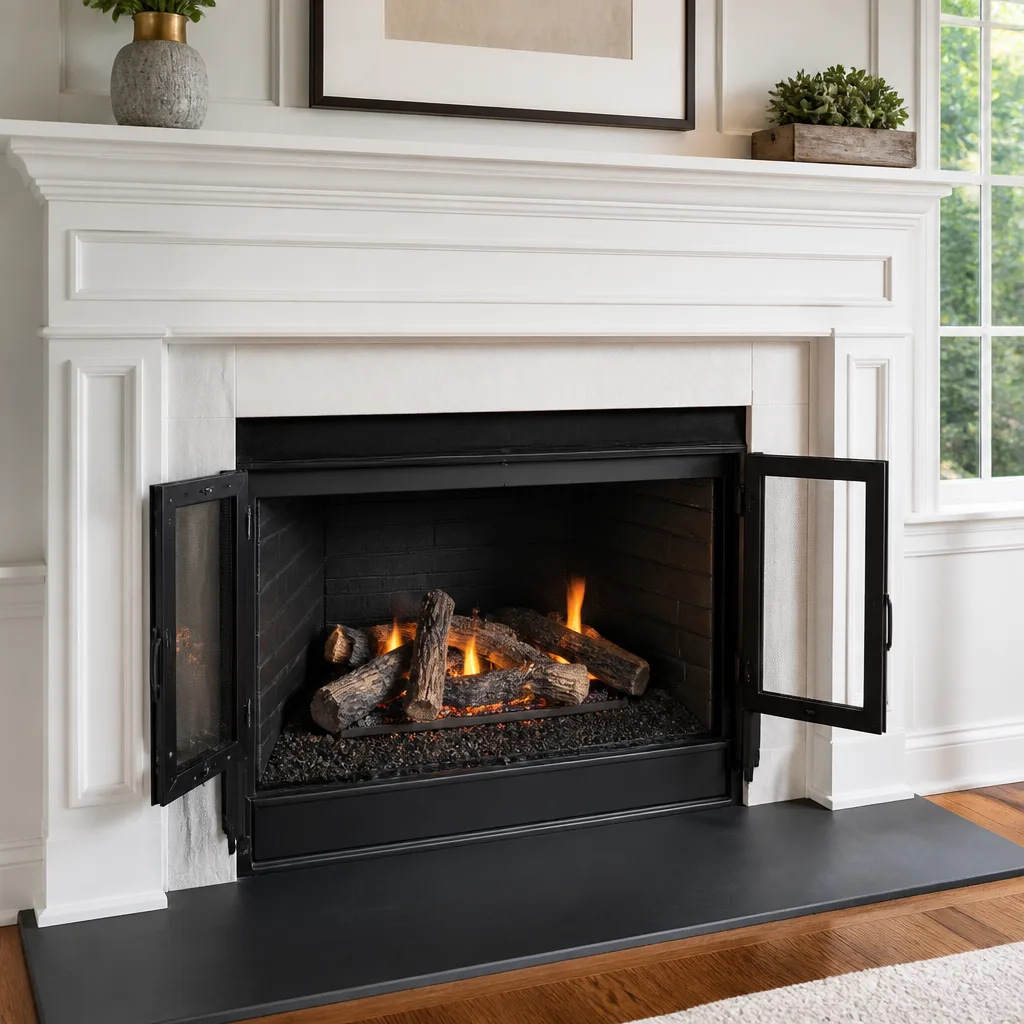
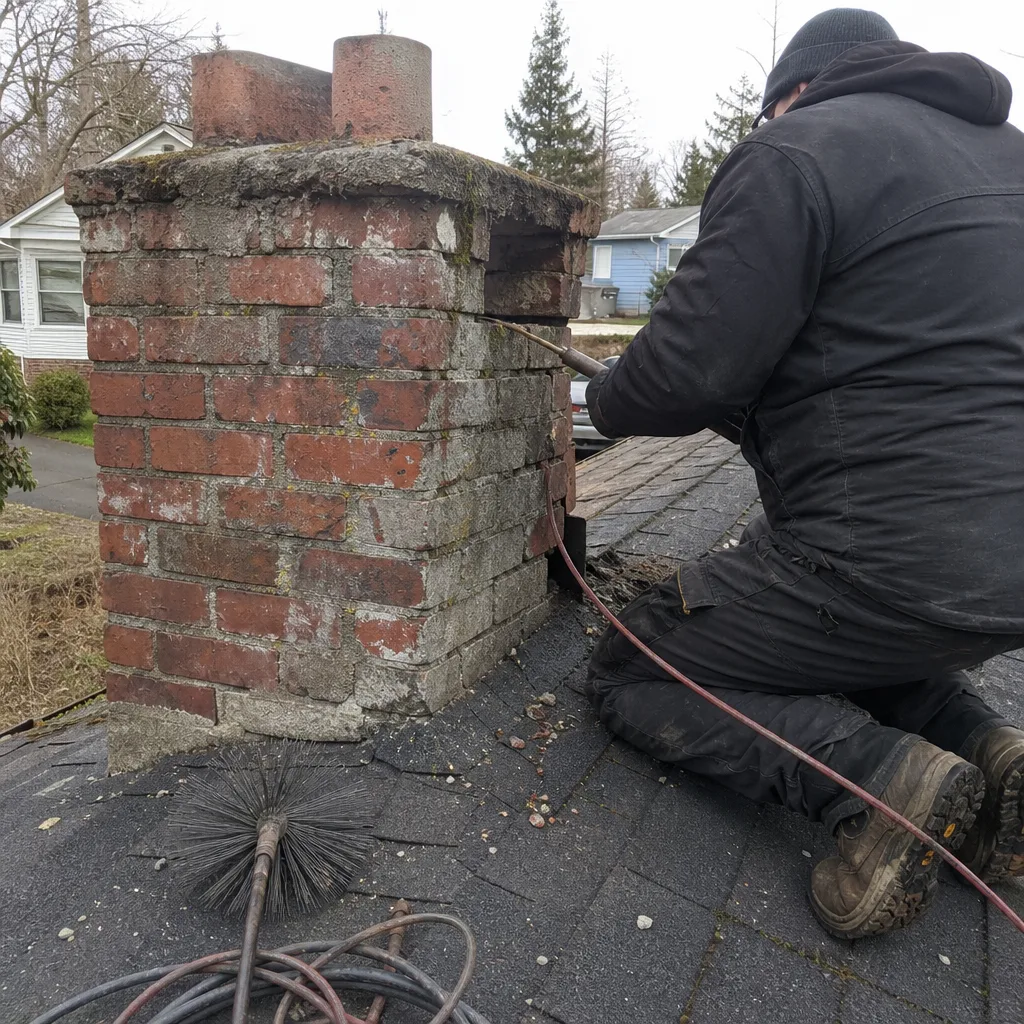 Before
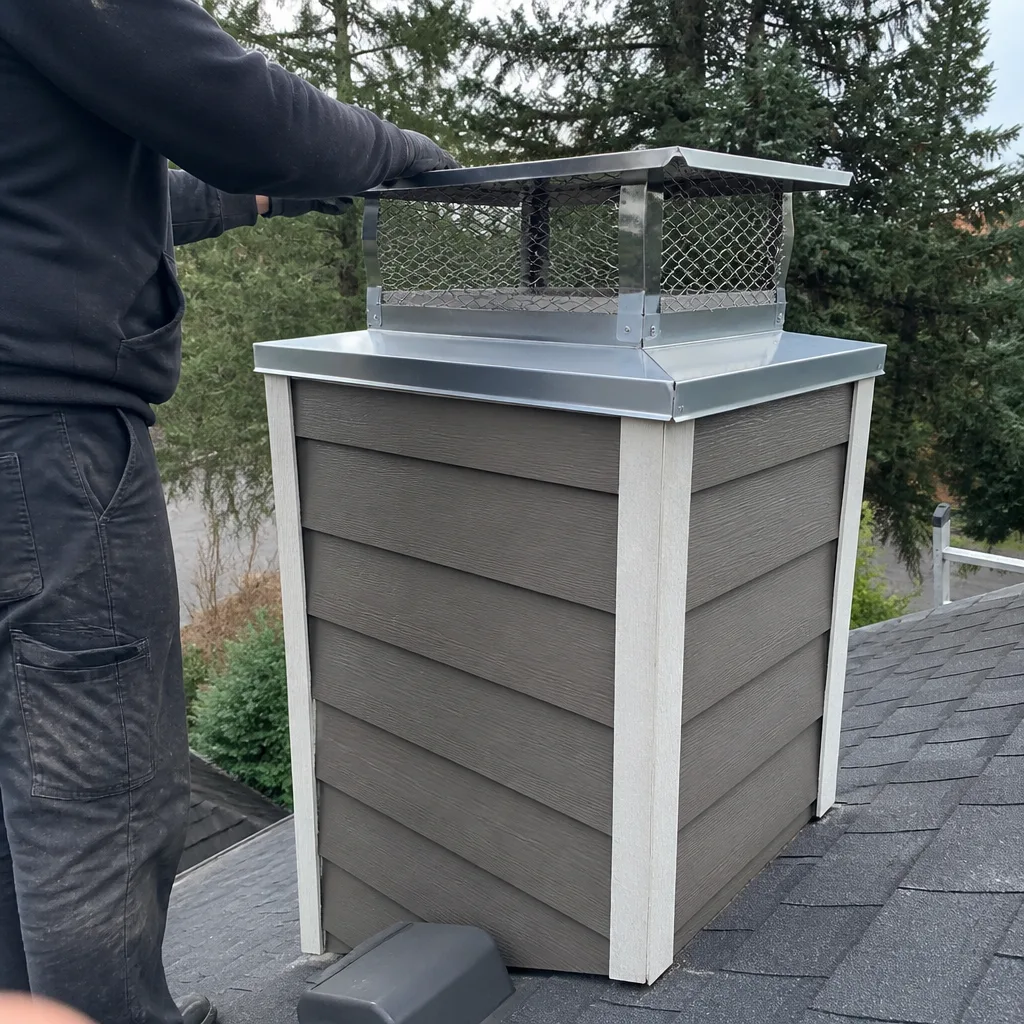 After
After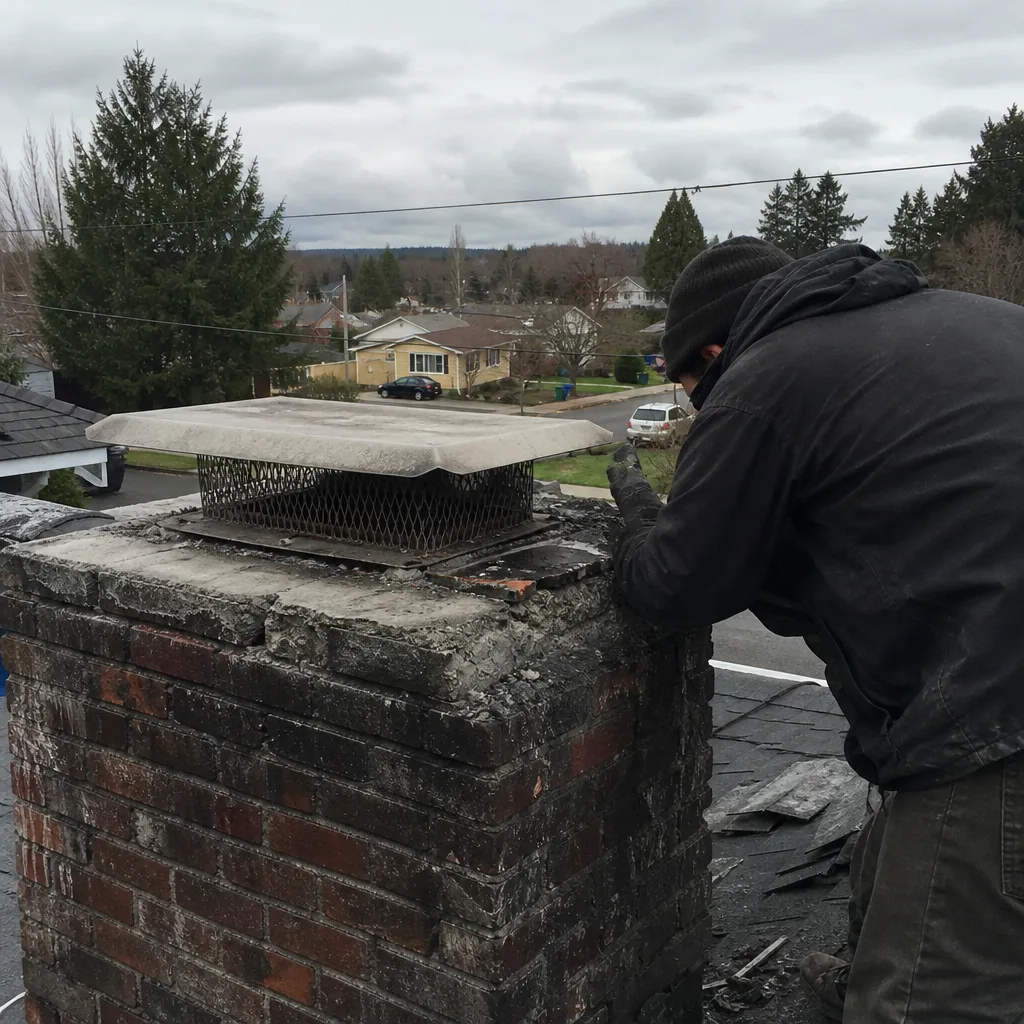 Before
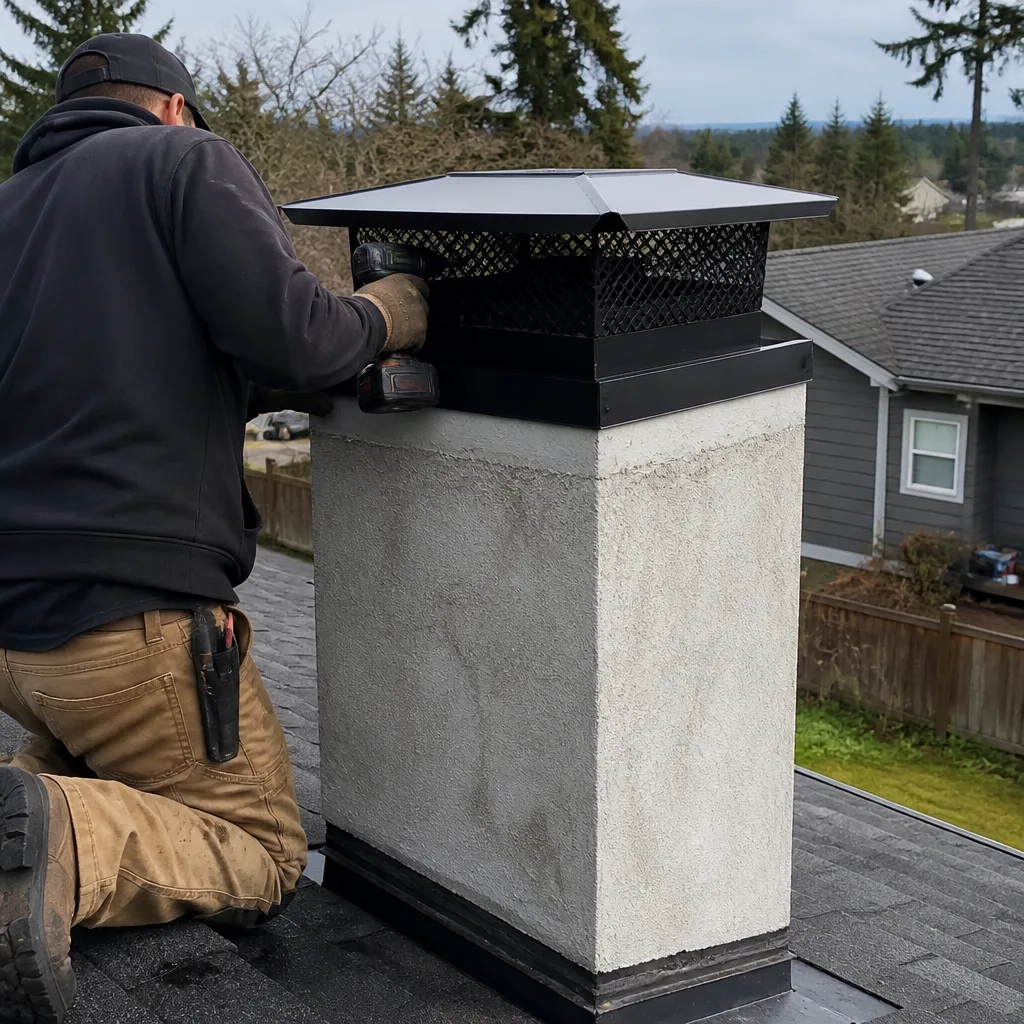 After
After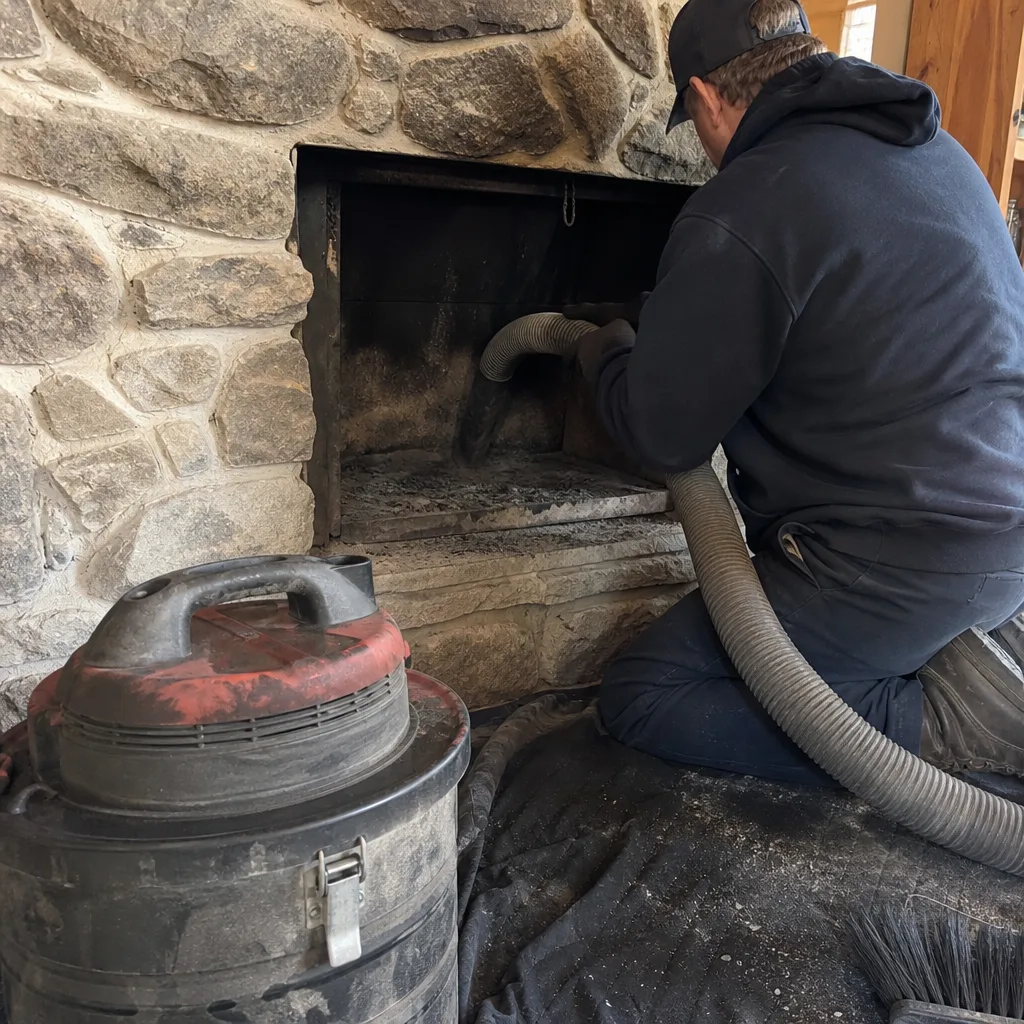 Before
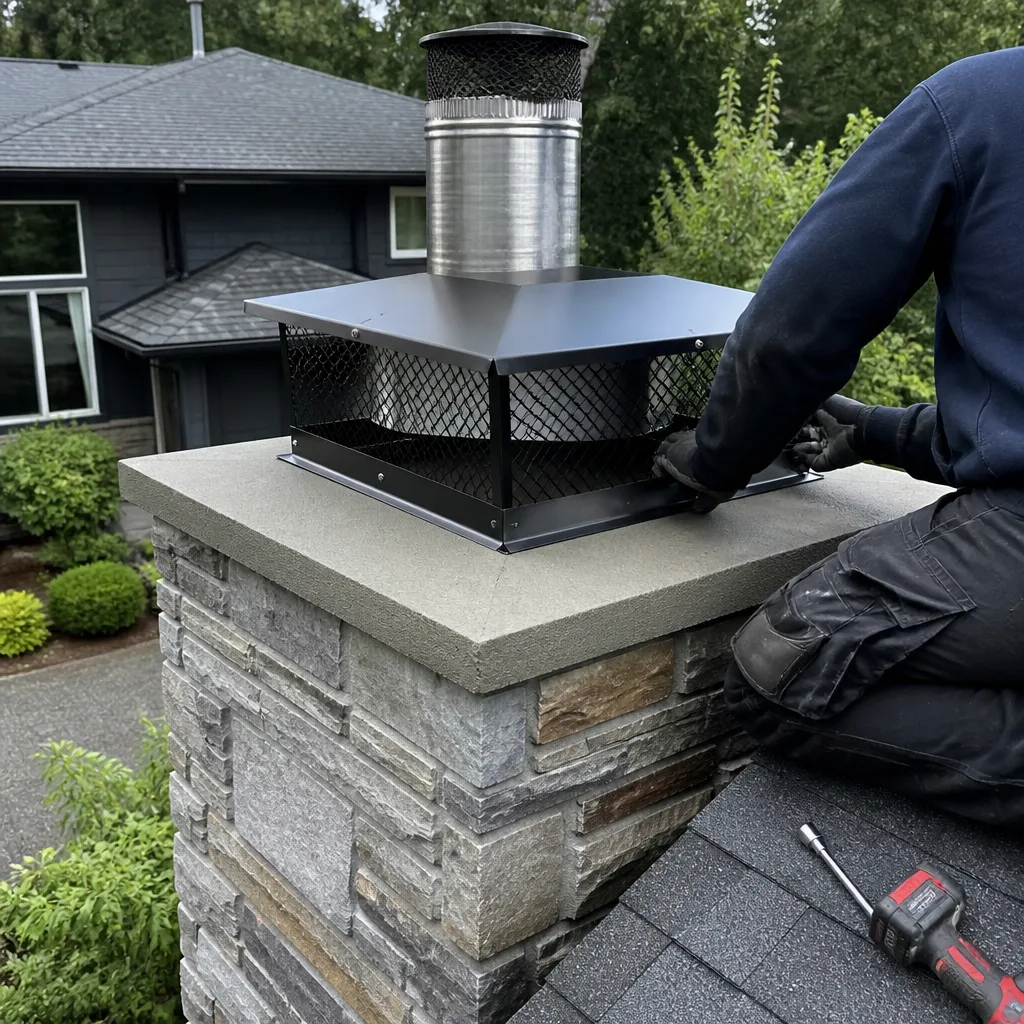 After
AfterChimney Cleaning & Sweep Maintenance Checklist for Tacoma Homeowners
Most chimney checklists floating online were drafted for a dry-climate hearth burning seasoned oak. Tacoma homeowners are running Douglas fir and alder through a stainless or terracotta flue in a rain-belt climate where the moisture content of ambient air hovers above 80% for five months straight. The maintenance rhythm is different, the failure modes are different, and the warning signs you can spot from the ground are different. In the 38,000+ inspections we’ve completed since 2009, the chimneys that needed the least rework were the ones where owners kept a simple photo log and knew which three observations meant it was time to stop watching and start calling.
Quick Answer
A proper chimney maintenance checklist for Tacoma splits the year into wet-season observation (October through March) and dry-season action (April through September). Homeowners should document exterior masonry monthly during the rains, schedule a professional sweep and camera inspection before the first fire of autumn, and photograph the flue throat, smoke chamber, and crown annually to establish a baseline for insurance or warranty disputes. Between visits, watch for efflorescence lines above the roofline, spalling mortar deeper than 1/4 inch, and smoke rollout longer than 90 seconds on cold startup.
Table of Contents
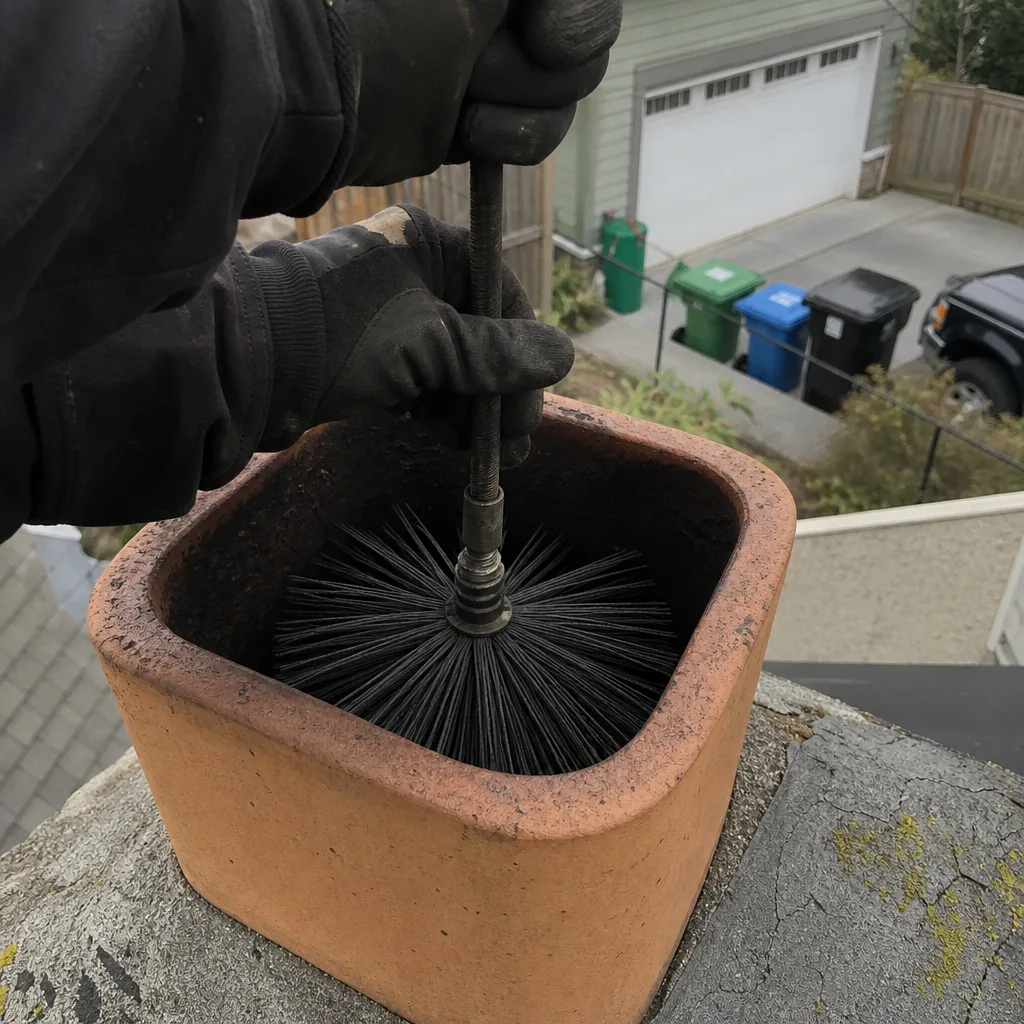
- Why Tacoma’s Climate Changes Your Maintenance Schedule
- Month-by-Month Checklist: Wet Season vs. Dry Season
- Observable Signs Homeowners Can Document
- Creosote in the Pacific Northwest: Douglas Fir vs. Hardwood
- What to Photograph Before Your Sweep Arrives
- Three Written Deliverables Every Sweep Visit Should Produce
- Common Mistakes to Avoid
- When to Call a Professional
- Frequently Asked Questions
- The Bottom Line
 Before
 After
AfterWhy Tacoma’s Climate Changes Your Maintenance Schedule
Tacoma sits in the Puget Sound convergence zone where marine air meets continental air from the Cascade gap. Annual rainfall runs 38 to 40 inches, but the critical number for chimney health is not total precipitation. It’s the number of days above 75% relative humidity: roughly 220 per year. Masonry that never fully dries experiences accelerated freeze-thaw spalling even when temperatures stay above freezing, because salt crystallization from marine aerosols does damage comparable to ice wedging.
We’ve inspected chimneys in North End, Proctor, and the Stadium District where the exterior looked sound but the flue liner showed chloride-induced corrosion at the thimble connection. That’s a Tacoma-specific failure mode. In drier eastern Washington, we see thermal shock cracking from wider temperature swings. Here, we see gradual saturation damage that owners miss because the chimney still “looks fine” from the driveway.
The practical consequence: a single annual inspection in October, while better than nothing, leaves you blind to six months of moisture intrusion. Our recommendation, backed by what we’ve found in Tacoma flues since 2009, is a split schedule. Observe the exterior monthly during the wet season. Schedule our Chimney Cleaning & Sweep services and camera inspection in late summer or early fall, when the masonry has had its best chance to dry and the technician can distinguish active leaks from historical staining.
Neighborhoods below the 200-foot contour, including much of the Tideflats and Port of Tacoma vicinity, see capillary wicking from saturated soils that compounds rainfall exposure. If you’re in one of these areas, extend your observation checklist to include the chimney base and cleanout door, not just the above-roof portion.
Month-by-Month Checklist: Wet Season vs. Dry Season
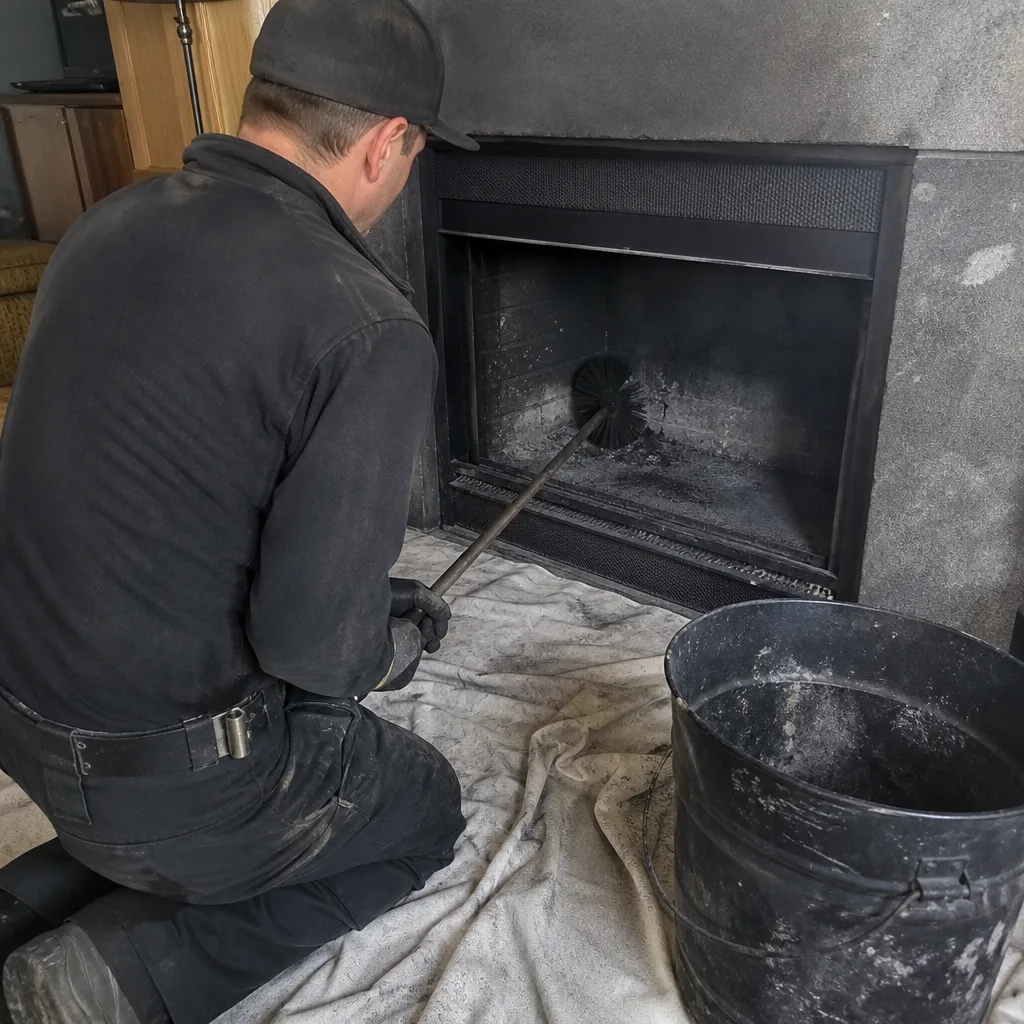
Wet Season: October Through March (Observation Phase)
During burning season, your job is to watch, document, and burn correctly. The sweep’s job is the mechanical work inside the flue. Don’t confuse the two.
- First of each month: Photograph all four sides of the chimney above the roofline from the same spot, with the same zoom, time of day, and weather conditions. Date-stamp every image. This sounds excessive until you need to prove to an insurer that a crack appeared between November and January, not during the August earthquake swarm.
- After every third fire: Check the smoke chamber access (if you have a fireplace with a cleanout door) for loose soot or shiny black deposits. Shiny indicates Class III creosote, which ignites at lower temperatures and burns hotter than the puffy Class I variety.
- Weekly during heavy rain: Look for new efflorescence, the white powdery lines that indicate soluble salts migrating through mortar joints. In Tacoma’s marine air, efflorescence often appears first on the north and east exposures where evaporation is slowest.
- Every fire: Time the smoke rollout on cold startup. Open the damper fully, light a rolled newspaper at the flue throat, and start a stopwatch. Smoke should draft upward within 60 seconds in a well-functioning system. In Tacoma’s dense, cool air masses, allow up to 90 seconds. Beyond that, you have a draft problem, a blockage, or a house pressure imbalance that needs professional diagnosis.
- End of January: Mid-season self-inspection. Compare your photo series. Has mortar loss progressed? Are new cracks radiating from the crown? Is the chimney cap still seated squarely, or has wind shear from a South Sound storm shifted it?
Dry Season: April Through September (Action Phase)
- April: Schedule your sweep and inspection. This is the single most important item on the entire checklist. April through June booking windows at Chimney Cleaning & Sweep in Tacoma fill first because informed owners know the masonry needs to be dry for accurate camera assessment.
- May: If repairs were recommended, obtain your written estimate with scope, price, and warranty clearly stated. Under the Haven Standard, Clause 1 requires a written price before any work starts. We don’t deviate from this, and neither should any sweep you hire.
- June through August: Execute agreed repairs during dry weather. Crown sealing, tuckpointing, and liner work all cure better when ambient humidity is below 70% for 72 hours. In Tacoma, that window is narrow. Watch the forecast.
- September: Final pre-season check. Verify cap integrity, confirm damper operation, and restock your firewood supply. Wood burned in Tacoma should be split and covered for minimum 12 months. Douglas fir and alder, the most available local species, carry higher moisture content when green than eastern hardwoods. The 20% moisture target is harder to hit here without deliberate seasoning.
Observable Signs Homeowners Can Document
You don’t need a ladder or a camera to catch most early-stage chimney problems. You need consistency and a file-naming system. Here’s what to measure, photograph, or time, with thresholds that mean “call now” versus “watch and wait” - or explore Chimney Cleaning Warning Signs: A Tacoma Homeowner’s Reference Guide for deeper detail.
Efflorescence Lines
White crystalline deposits on brick or stone indicate water is moving through the masonry, dissolving salts, and depositing them at the surface. A thin dusting after a single heavy rain is not urgent. A continuous horizontal line that reappears within 48 hours of washing, or that grows downward in a band wider than 2 inches, signals an active leak path. In Tacoma’s climate, efflorescence below the roofline but above the flashing usually means the counterflashing has separated. Higher up, it suggests crown cracks or missing mortar in the wash.
Spalling Mortar and Brick
Spalling is the flaking or popping of masonry faces due to internal pressure. Measure it with a ruler, not your eye. Mortar erosion deeper than 1/4 inch exposes the flue to lateral moisture intrusion and reduces structural integrity. Individual brick spalls smaller than a quarter can be monitored. Spalls larger than a half-dollar, or multiple spalls on the same course, indicate freeze-thaw or salt damage that will accelerate. We’ve replaced crowns in the West End where owners watched spalling progress for three seasons because “it didn’t look that bad from the street.”
Smoke Rollout Timing
As noted above, 90 seconds is your Tacoma-adjusted threshold on cold startup. But also note where the smoke goes. Rolling out the firebox opening suggests insufficient draft or a blocked flue. Seeping from mortar joints or the hearth edge indicates a breached flue liner, which is a carbon monoxide hazard and requires immediate professional assessment. Do not operate the fireplace until it’s inspected.
Crown Condition
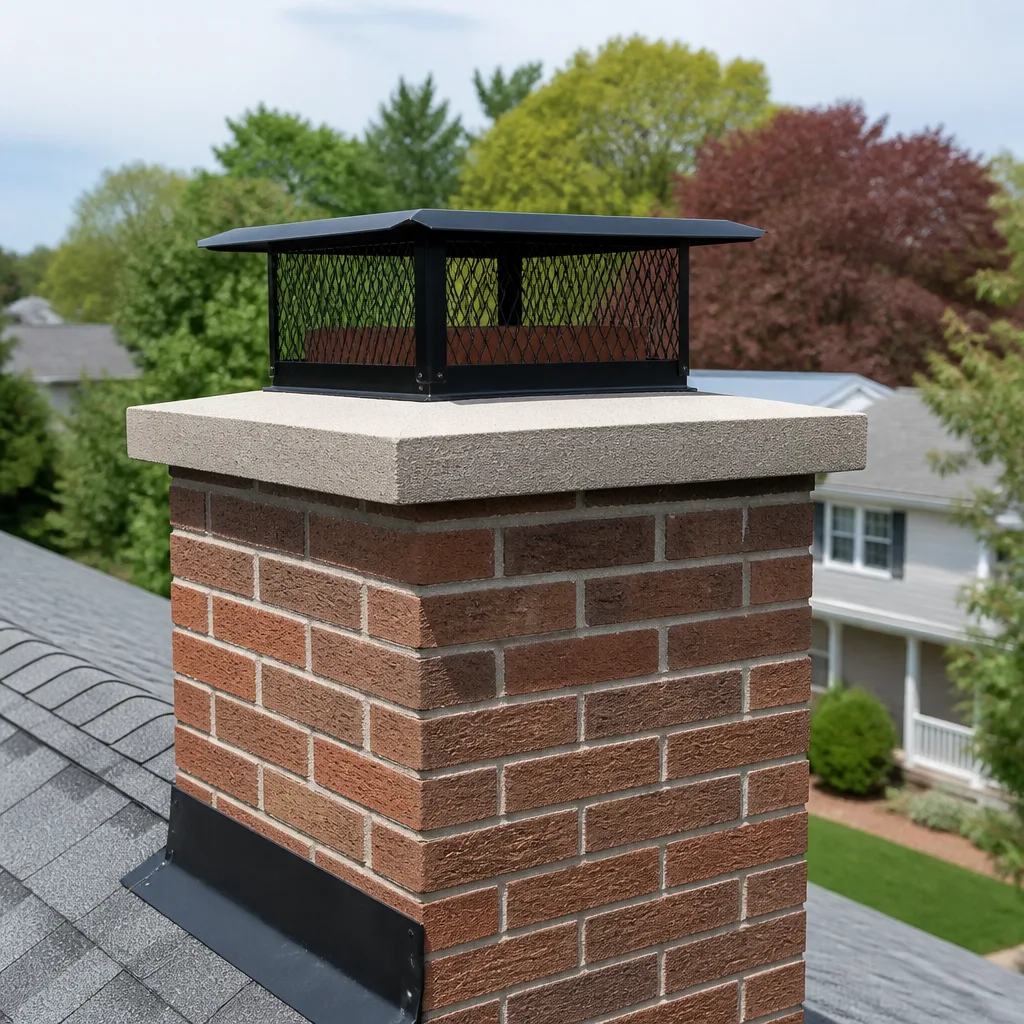
The crown is the concrete or mortar cap that sheds water from the chimney top. From the ground with binoculars, look for:
- Hairline cracks wider than 1/16 inch (they will widen)
- Deterioration at the flue tile overhang (the “wash” edge)
- Ponding or discoloration that persists 48 hours after rain
- Missing or rusted chimney cap, or a cap that sits askew
A compromised crown in Tacoma’s climate is not a slow leak. It’s a continuous water injection system every time it rains, which is roughly 150 days per year.
Interior Signs
Inside the home, document any of the following with date and photo:
- Staining or peeling paint on the wall adjacent to the chimney chase
- Damp or musty odors from the fireplace during non-burning periods
- Bits of mortar or tile in the firebox or cleanout
- Soot fall (black dust) on the hearth when the damper is closed
Each of these is evidence of a specific failure mode that a camera inspection will confirm or rule out.
Creosote in the Pacific Northwest: Douglas Fir vs. Hardwood
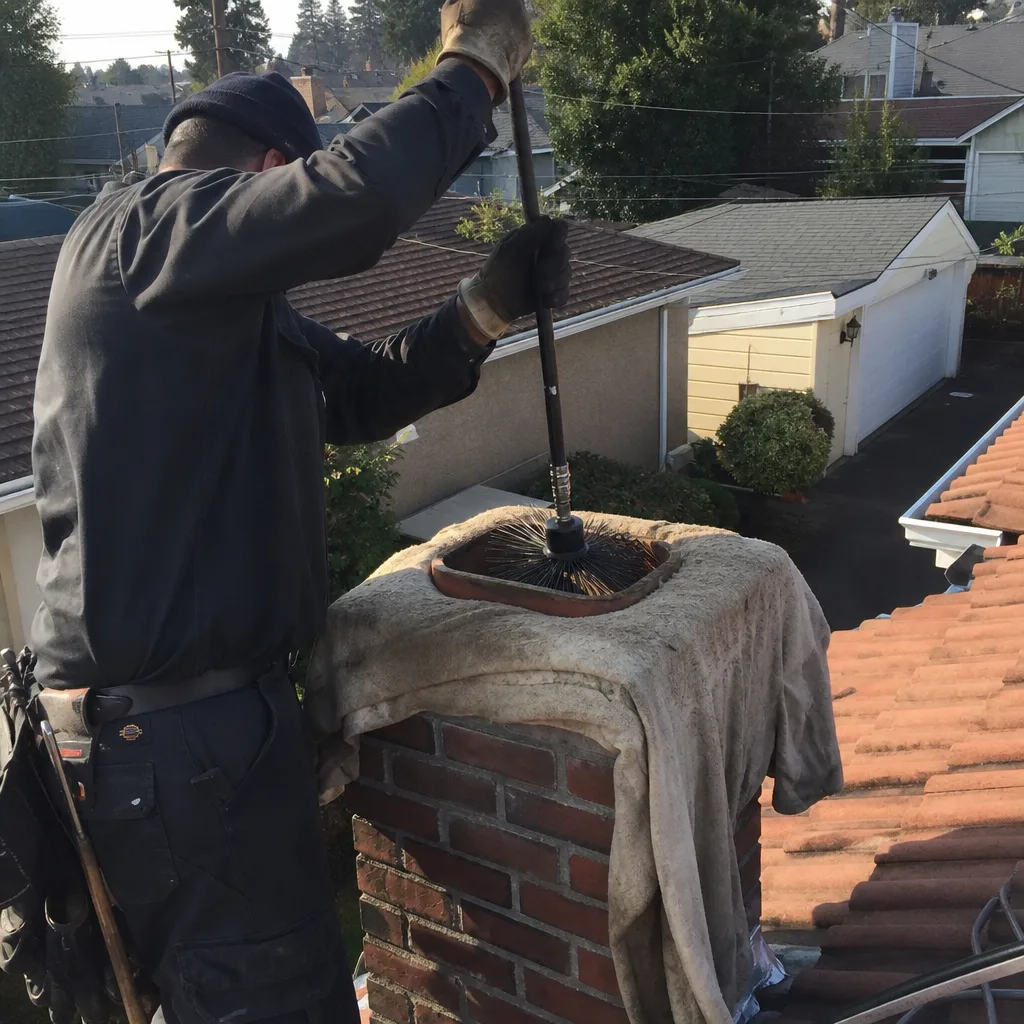
Creosote accumulation drives sweep frequency, and fuel type drives accumulation rate. Here’s where generic national checklists fail Tacoma homeowners entirely; for a thorough local breakdown, see The Complete Guide to Chimney Cleaning in Tacoma.
Douglas fir, the dominant firewood species in western Washington, has a resin content of 4-8% by dry weight. Seasoned oak, the benchmark hardwood in most national guidelines, runs 0.5-1.5%. Resin vaporizes during combustion, rises in the flue gases, and condenses on cooler surfaces as a tarry, highly combustible deposit. The result: a cord of Douglas fir at 20% moisture produces roughly 1.5 to 2 times the creosote mass of a cord of seasoned oak burned in the same appliance at the same firing rate.
Alder, the other common local firewood, burns cleaner than fir but spits more embers and carries higher moisture content when green. Many Tacoma homeowners burn a fir-alder mix for cost and availability reasons. The combined creosote yield sits between the two species, but the fir fraction dominates.
The National Fire Protection Association (NFPA) recommends annual inspection for all wood-burning systems, with cleaning “as needed.” In practice, for a Tacoma household burning 2-3 cords of mixed local hardwood through a standard open fireplace, we find Class II or III creosote buildup sufficient to warrant cleaning in roughly 70% of annual inspections. That’s not because the owners neglected maintenance. It’s because the fuel chemistry and the cool, dense flue gases of our climate accelerate condensation.
What this means for your checklist:
- If you burn primarily Douglas fir, treat “annual sweep” as a minimum, not a default. Heavy users may need mid-season assessment.
- If you burn manufactured logs (DuraFlame, etc.), follow the appliance manufacturer’s schedule, not the wood-burning schedule. These products burn differently and produce different deposit chemistry.
- If you’ve switched from gas to wood or installed a new insert, your first-season inspection is critical. The flue sizing and draft characteristics may not match the appliance’s output, leading to rapid creosote formation we see regularly in North Tacoma retrofits.
The camera inspection, standard on every Chimney Cleaning & Sweep in Tacoma visit under Haven Standard Clause 4, shows you the creosote class and thickness in real time. We don’t guess based on “when it was last cleaned.” We measure what’s there.
What to Photograph Before Your Sweep Arrives
Documentation protects you in three specific scenarios: insurance disputes after a chimney fire, warranty claims on previous work, and disagreements about whether a recommended repair is truly necessary. The photo record we produce during our visit is yours to keep. The photo record you produce beforehand is your independent verification.
Take these images annually, ideally in August or September before the sweep arrives:
- Exterior, all four exposures: Wide shot showing chimney in context of roofline, then close-up of crown, cap, and top three feet of masonry. Include a reference object (ruler, coin) for scale.
- Flashing detail: Where chimney penetrates roof, photograph the step flashing, counterflashing, and any sealant beads. In Tacoma’s wind-driven rain environment, this is the most common leak point we find.
- Firebox interior: With damper open and firebox clean, photograph the back wall, side walls, and floor. Look for cracks in refractory panels, damaged firebrick, or rusted grate supports.
- Smoke chamber: From the firebox looking upward, photograph the throat damper and the sloping smoke chamber walls. Shiny black deposits here indicate creosote accumulation in a hard-to-clean area.
- Cleanout door and ash pit: If accessible, photograph the door seal and interior accumulation. A deteriorated door or missing gasket allows house air infiltration and reduces draft efficiency.
- Hearth and surround: Document cracks in tile or stone, gaps at the hearth extension edge, and any discoloration of facing materials.
Store these with date stamps in a dedicated folder. When our technician arrives with the camera and produces the Clause 4 photo record, you’ll have your own baseline for comparison. If an insurer later questions whether damage was pre-existing, you have timestamped evidence. If a previous contractor’s work is failing, you have documentation of the original condition.
We’ve had Tacoma homeowners in the Fern Hill and Lincoln neighborhoods use this simple practice to resolve disputes that would otherwise have required expensive third-party arbitration. The 10 minutes of photography is among the highest-return maintenance tasks on this entire checklist.
Three Written Deliverables Every Sweep Visit Should Produce
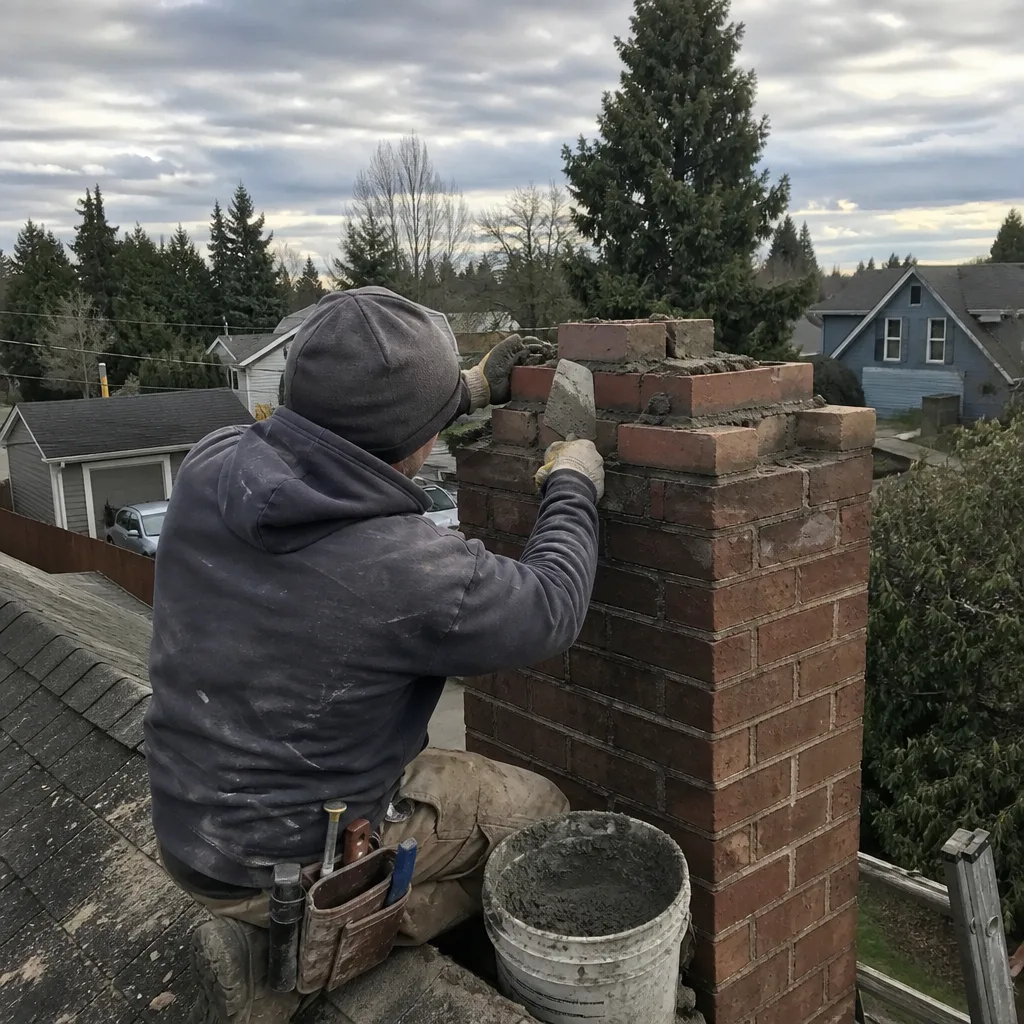
A chimney sweep who leaves with only a verbal “you’re good” or a handwritten receipt has not completed the service. Under the Haven Standard, and as a matter of basic consumer protection, three documents should be in your hands before the technician departs:
1. Written Scope and Price for Any Recommended Work
Haven Standard Clause 1, “Have it in writing,” requires a written price, written scope, and written warranty before work begins. Not after the tech is in your home. Not after you’ve already agreed verbally. Before. This protects you from scope creep and gives you the documentation needed for our Free Second Opinion service if you want comparison pricing. The estimate should itemize labor, materials (with brand names if specified - DuraFlex, HeatShield, Gelco, Olympia Chimney are common in our specifications), and timeline.
2. Inspection Report with Photo Documentation
Haven Standard Clause 4 requires a documented photo record on every job. This is not a bonus feature. It’s the archive practice we’ve maintained since 2009, before insurers or regulators required it. The report should include camera footage or stills of the flue liner interior, smoke chamber, firebox, crown, and any areas of concern. Readings should be noted: flue diameter, liner condition rating, creosote thickness measurement, and clearance measurements where accessible. If a company tells you “we looked and it’s fine” but cannot show you what they saw, you have not received a Level 2 inspection. You’ve received a flashlight look.
3. Completed Service Record with Warranty Terms
For the sweep itself, you should receive a statement of what was done (brush and vacuum cleaning of flue, firebox, and smoke chamber; debris removal; operational test of damper and cap), the date, technician name or ID, and the terms of any warranty. Our 365-Day Done Right Promise covers all work: if it’s not done right, we make it right, stamped on every job. Whatever company you use, get the warranty in writing, not as a verbal assurance.
If your sweep visit produces these three deliverables, you have accountability. If it doesn’t, you have a recommendation to find a different provider before the next burning season.
Common Mistakes to Avoid
- Waiting for visible smoke problems before calling. By the time smoke rolls into the room, you likely have a significant blockage, liner breach, or draft failure. The correct threshold is the 90-second rollout timing test, not subjective “it seems fine.”
- Burning unseasoned wood because “it’s all I could get.” Green Douglas fir at 40% moisture content produces roughly three times the creosote of properly seasoned wood. In Tacoma’s wet climate, achieving 20% moisture requires 18-24 months of covered storage, not the 6 months often cited for drier regions.
- Assuming a gas fireplace needs no inspection. Gas inserts and direct-vent systems don’t produce creosote, but they do produce condensation, corrosion, and debris accumulation in the vent termination. We’ve found bird nests blocking vent caps in Stadium District homes where owners assumed “gas means no maintenance.”
- Ignoring the crown because “it’s just the top.” The crown is the chimney’s roof. In Tacoma’s rainfall pattern, a cracked crown funnels water directly into the masonry core, where it accelerates liner deterioration and freeze-thaw damage. Crown repair is preventive, not cosmetic.
- Accepting a “free inspection” that turns into a high-pressure sales visit. Reputable sweeps charge for their time and expertise. The “free” model often recovers costs through inflated repair quotes delivered on the spot. A written price before work starts, with time to compare, is the antidote.
- Skipping the photo documentation because “I’ll remember.” Memory is unreliable, and disputes arise years later. The 10 minutes to photograph and file costs nothing. The absence of documentation can cost thousands in uncovered repairs or denied claims.
- Treating all creosote as equal. Class I (sooty, brushable), Class II (shiny, hard), and Class III (glazed, tarry) require different removal methods and indicate different burning conditions. A sweep who doesn’t classify what they found is not providing diagnostic value.
When to Call a Professional
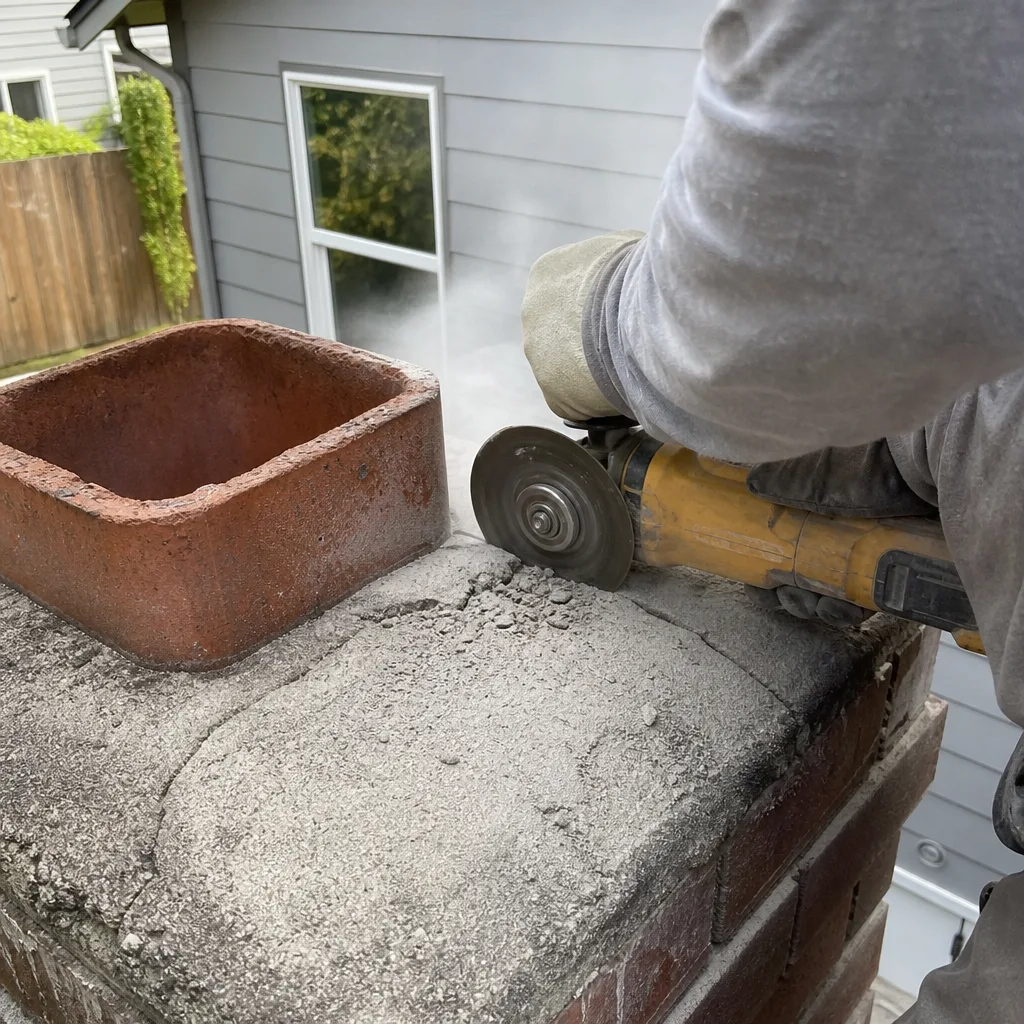
Some checklist items are observation. Others are stop points. Call a professional immediately if you observe smoke seeping from mortar joints or the hearth edge, if you hear debris falling in the flue during non-use, if the damper will not fully open or close, or if you detect a persistent musty or chemical odor from the fireplace when not in use. These indicate liner breach, animal intrusion, or moisture accumulation with potential mold growth.
Schedule a professional sweep and camera inspection before the next burning season if your smoke rollout exceeds 90 seconds, if efflorescence reappears within a week of cleaning, if mortar loss exceeds 1/4 inch in any joint, or if it’s been more than 12 months since your last documented inspection.
Level Two Chimney Tacoma home offers free estimates throughout Tacoma and surrounding communities. Our background-checked, uniformed technicians arrive with license information, a named assignment, and a text notification when en route. Every visit includes an NFPA 211 Level 2 camera inspection and the documented photo record required by Haven Standard Clause 4. Call (253) 447-5982 to schedule or to request a Free Second Opinion on any written estimate you’ve received.
Frequently Asked Questions
A professional chimney sweep and Level 2 camera inspection in Tacoma typically ranges from $250 to $450 for a standard masonry fireplace, with multi-flue systems, inserts, or significant creosote accumulation adding to the scope. We provide a written price before any work starts on every job, with no exceptions. Call (253) 447-5982 for an exact quote - estimates are free.
The NFPA recommends annual inspection for all wood-burning systems, with cleaning as needed based on creosote accumulation. In Tacoma’s climate, burning local Douglas fir and alder, most active fireplaces require annual sweeping. Heavy users or those burning primarily softwood may need mid-season assessment. Gas systems should be inspected every 1-2 years for vent integrity and debris.
A liner replacement should never be recommended without camera evidence you can see for yourself. Under the Haven Standard, Clause 4 requires photo documentation of any deficiency we cite. Bring us any competitor’s written estimate recommending liner work, and we’ll provide a Free Second Opinion with our own camera inspection. If the liner is cracked, spalled, or improperly sized for the appliance, replacement is a safety issue, not an upsell. If it’s merely stained or has minor surface corrosion, the work can often wait with monitoring.
Skipped maintenance leads to creosote accumulation, which increases chimney fire risk. A chimney fire can reach 2,000 degrees Fahrenheit and crack the liner, creating a path for flames or carbon monoxide into wall cavities or living spaces. Moisture intrusion from neglected crowns or flashing causes structural deterioration that costs significantly more to repair than preventive maintenance. In Tacoma’s wet climate, the timeline from first leak to major rebuild is shorter than in drier regions. The 365-Day Done Right Promise on our work exists because we’ve seen the cost of deferred care.
Homeowners can perform basic firebox cleaning and ash removal. Flue sweeping requires proper brushes, rods, and vacuum equipment sized to your flue diameter, and working on the roof introduces fall risk. More critically, without a camera inspection, you cannot assess liner condition, creosote class, or hidden blockages. We do not recommend DIY flue cleaning for the same reason we don’t recommend DIY electrical panel work: the hazard is not visible from the accessible areas, and the consequences of error are severe.
A Level 1 inspection is a visual examination of readily accessible portions of the chimney exterior and interior, appropriate for systems with no change in use or condition. A Level 2 inspection, required by NFPA 211 when a property changes hands, after a chimney fire, or when the system has been modified, includes a camera scan of the flue interior, inspection of accessible attics and crawl spaces, and examination of the chimney exterior from the roof. At Level Two Chimney Co., we perform Level 2 camera inspections as standard on every visit, not as an upgrade, because the information is essential to accurate diagnosis. This practice, continuous since 2009, became the model for Haven Standard Clause 4.
The Bottom Line
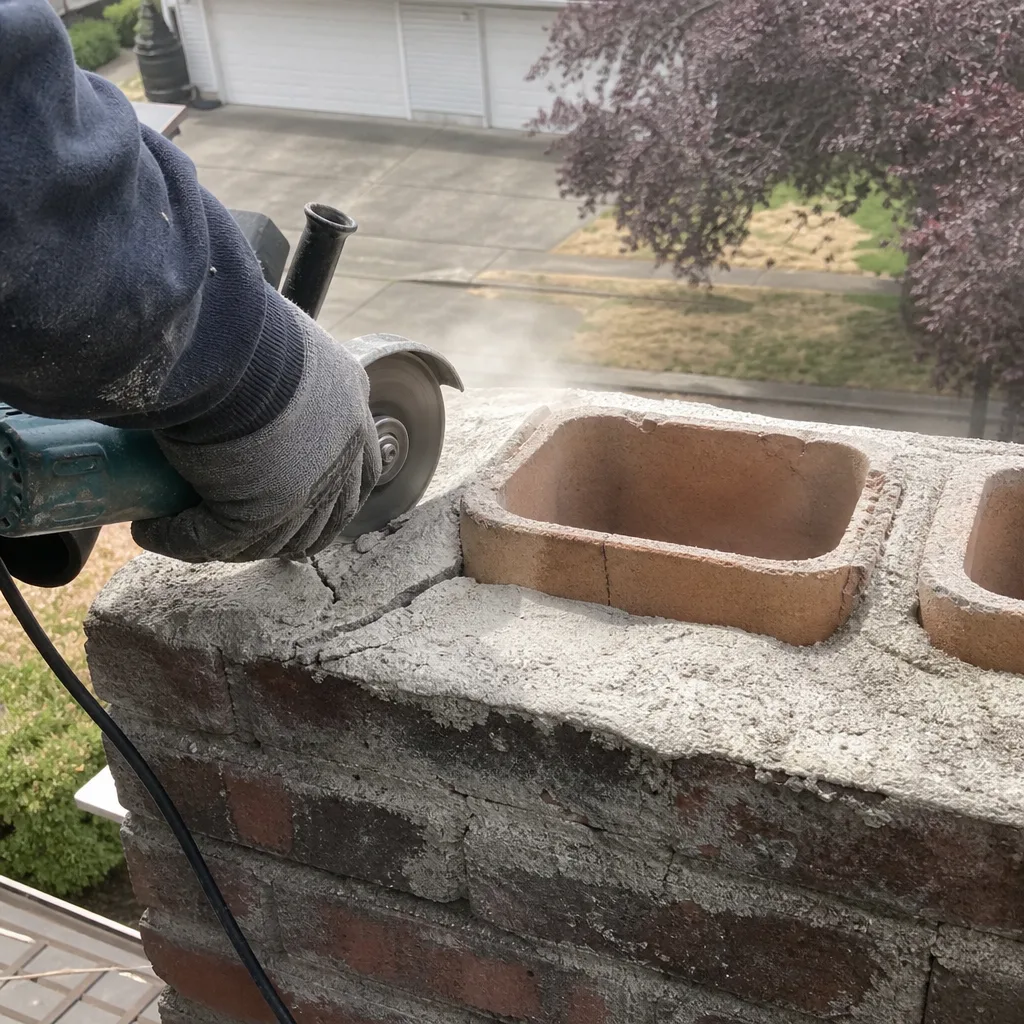
Tacoma’s marine climate and local fuel chemistry demand a chimney maintenance approach distinct from generic national guidance. Split your year into wet-season observation and dry-season action. Document exterior masonry monthly with dated photographs. Time your smoke rollout. Know the difference between watch-and-wait thresholds and stop-and-call conditions. Insist on three written deliverables from every professional visit: scope and price, photo-documented inspection report, and service record with warranty terms. The homeowners who fare best in our 38,000+ inspections are not the ones who spent the most. They’re the ones who observed consistently, photographed systematically, and called before small problems became structural failures. For more guides & resources, visit our blog.
Written by Corrine Halstead, Owner at Level Two Chimney Tacoma, serving Tacoma since 2009.