
Last updated September 22, 2026
Level 1 sweep and inspection to the NFPA 211 annual standard - flue, crown, cap, and flashing checked and photographed
Chimney sweep logs do not sweep chimneys. They loosen some creosote - which then falls where a brush and vacuum still have to collect it.
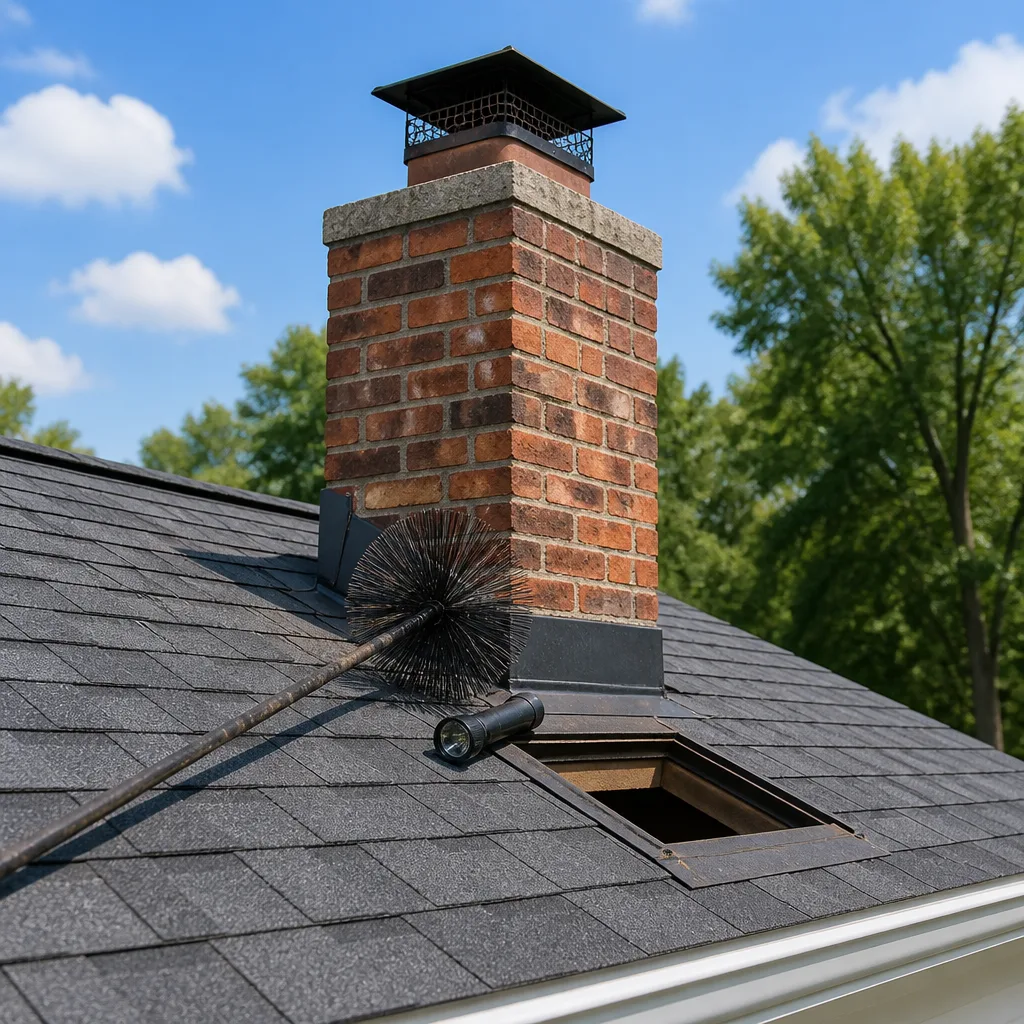
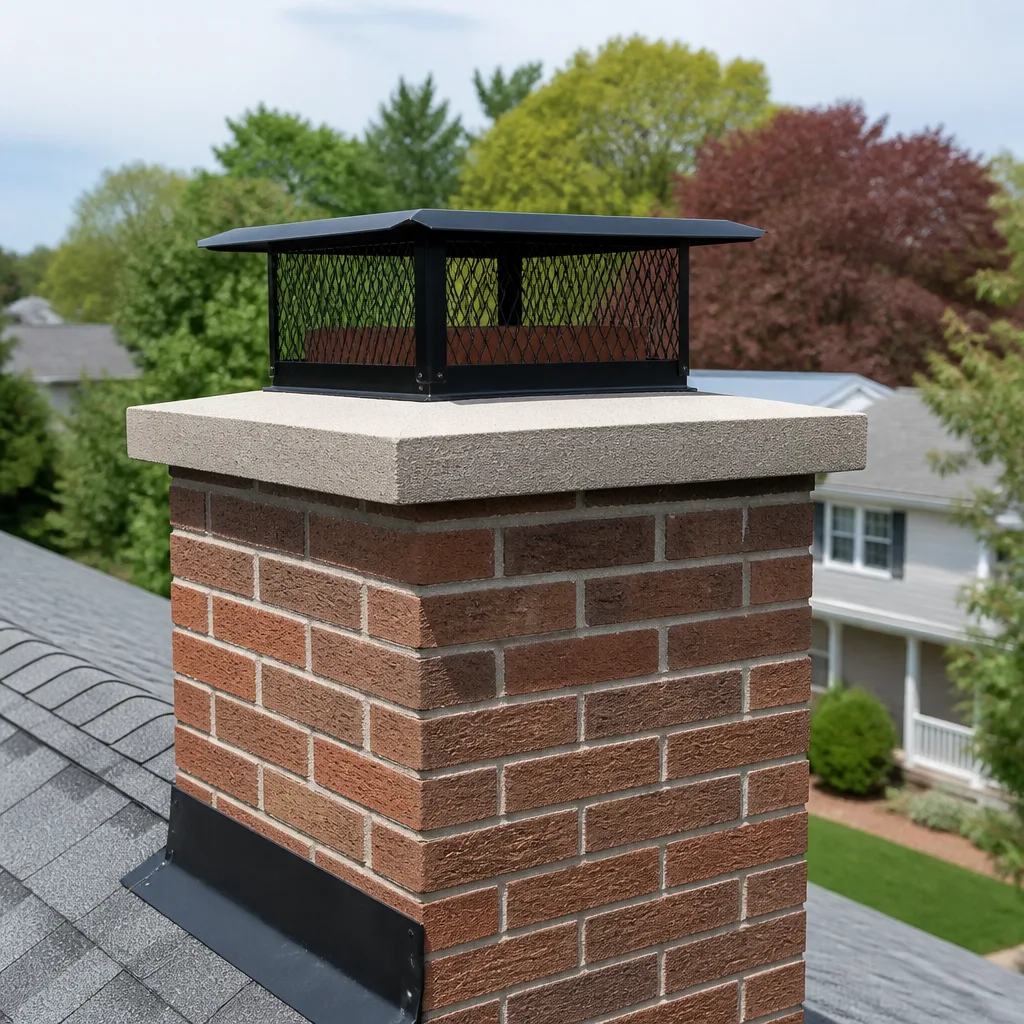
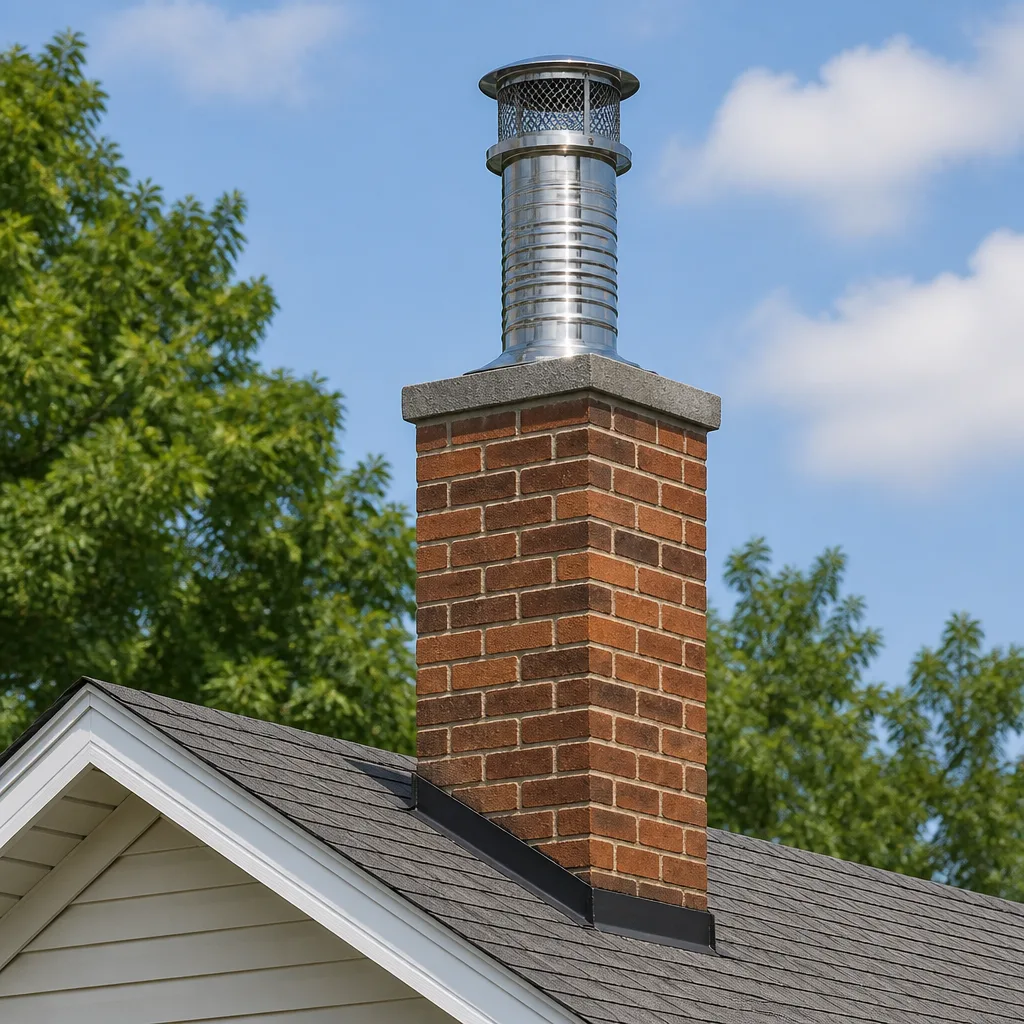
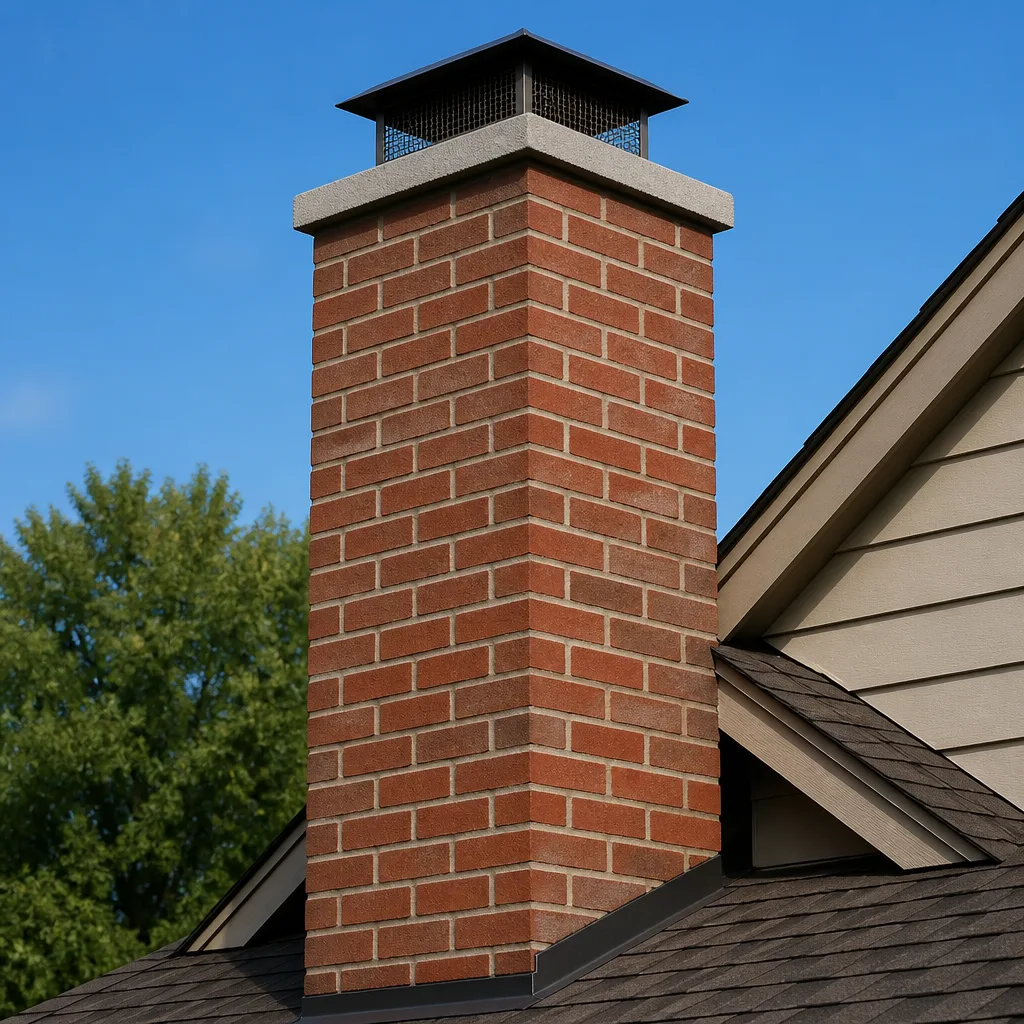
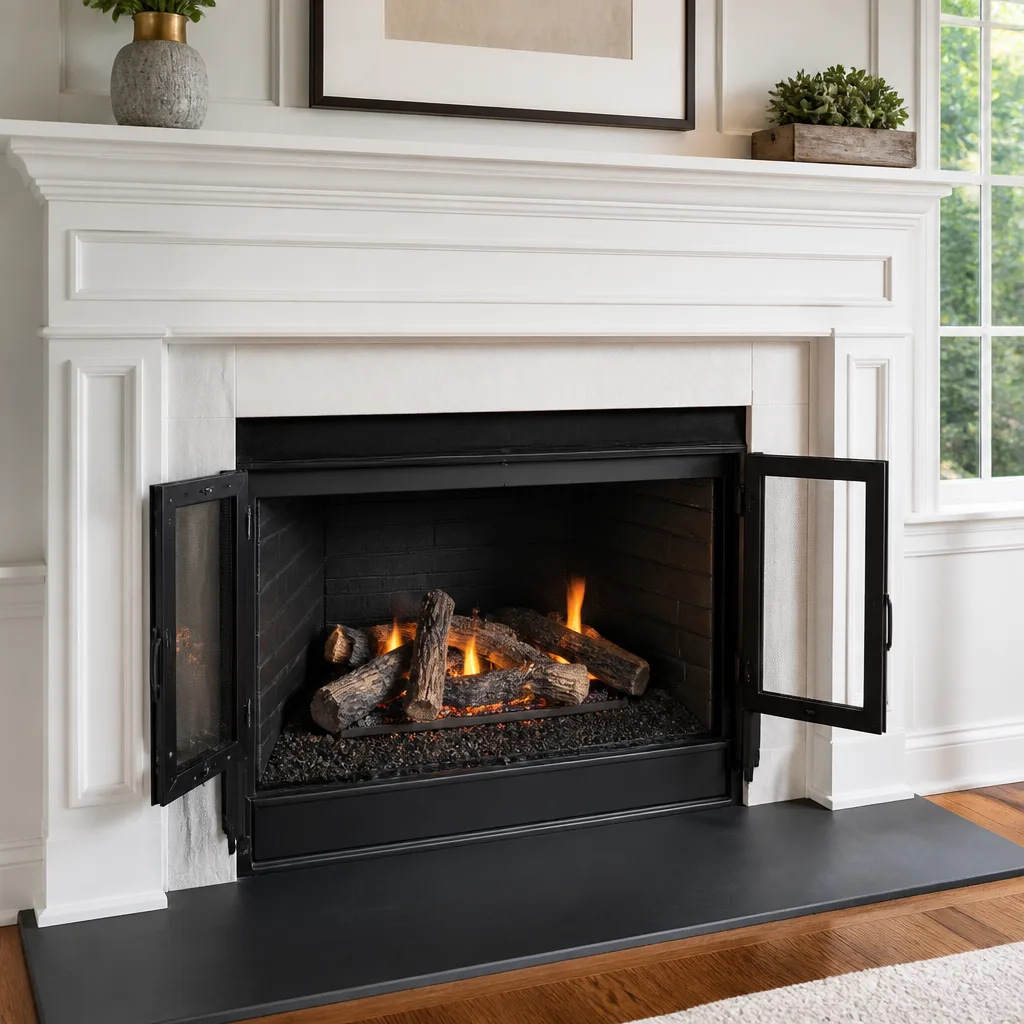
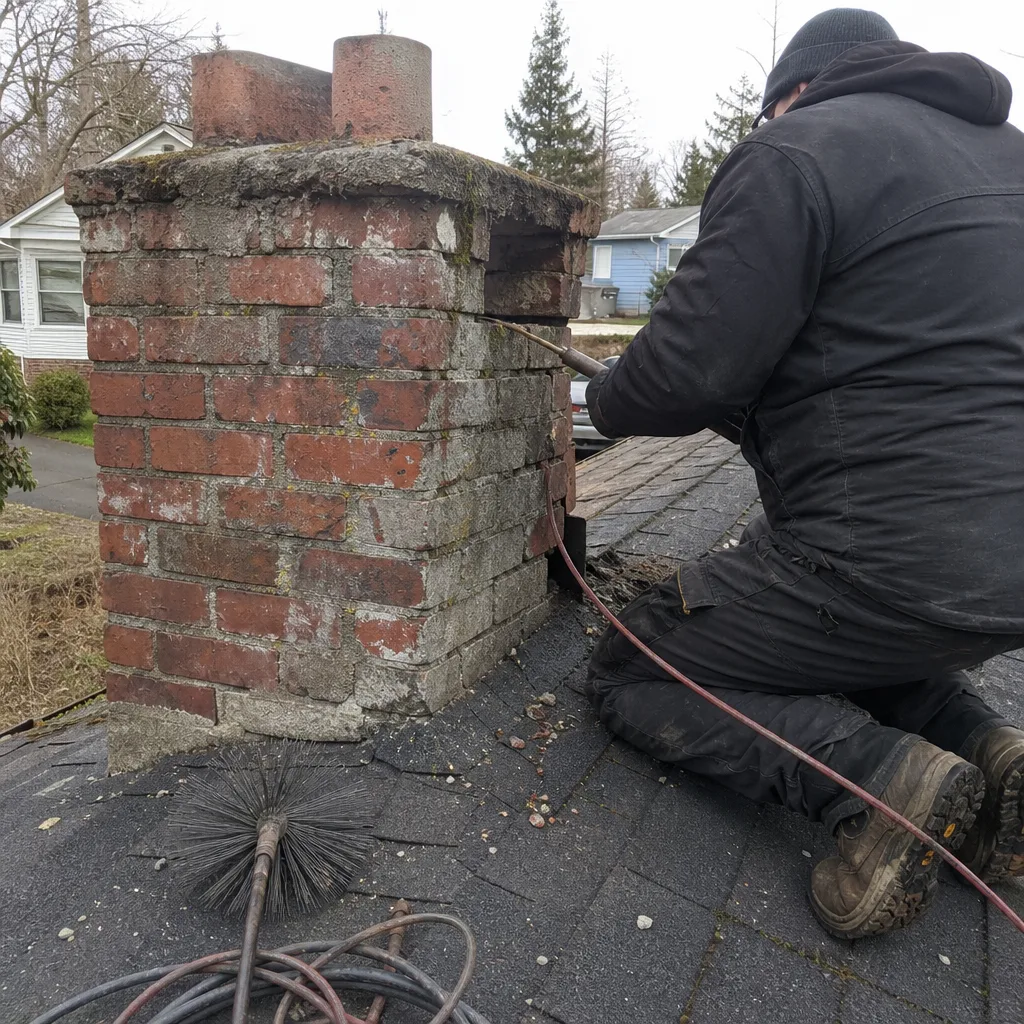 Before
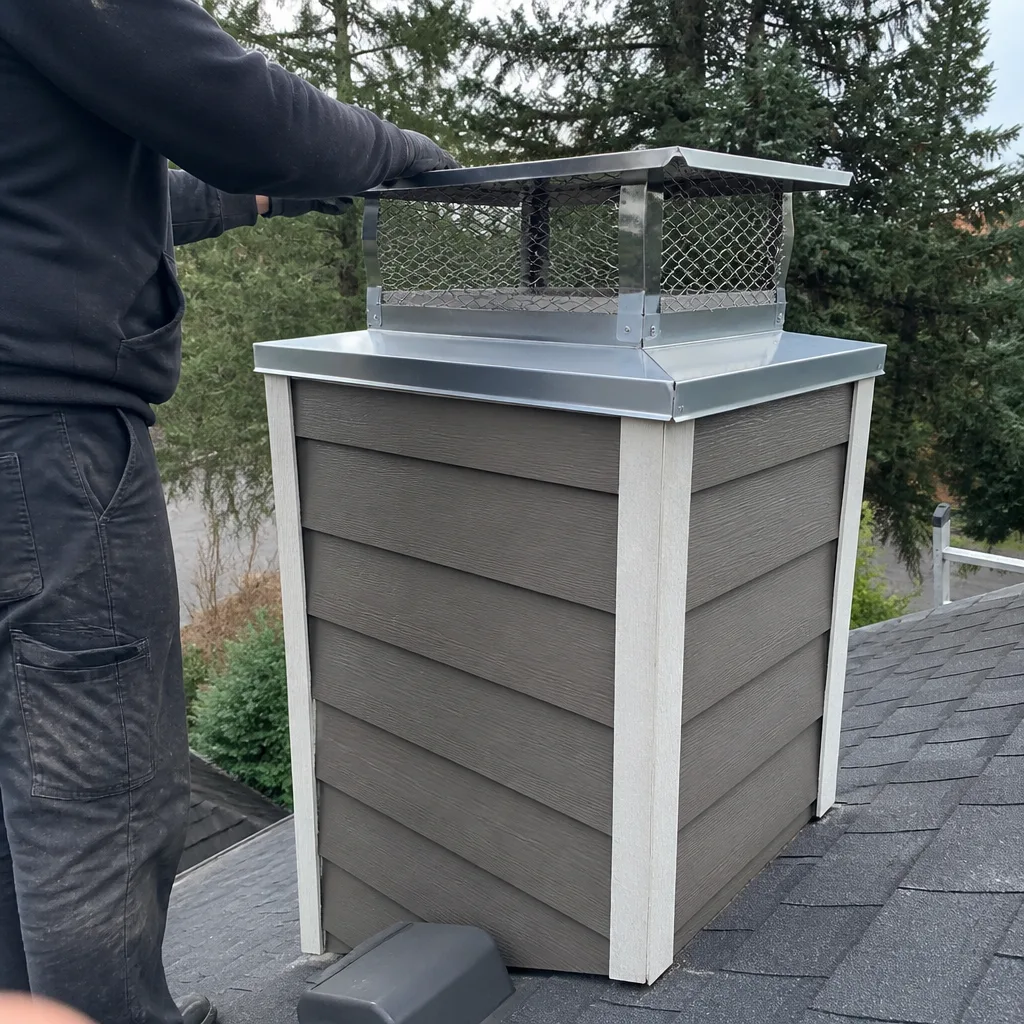 After
After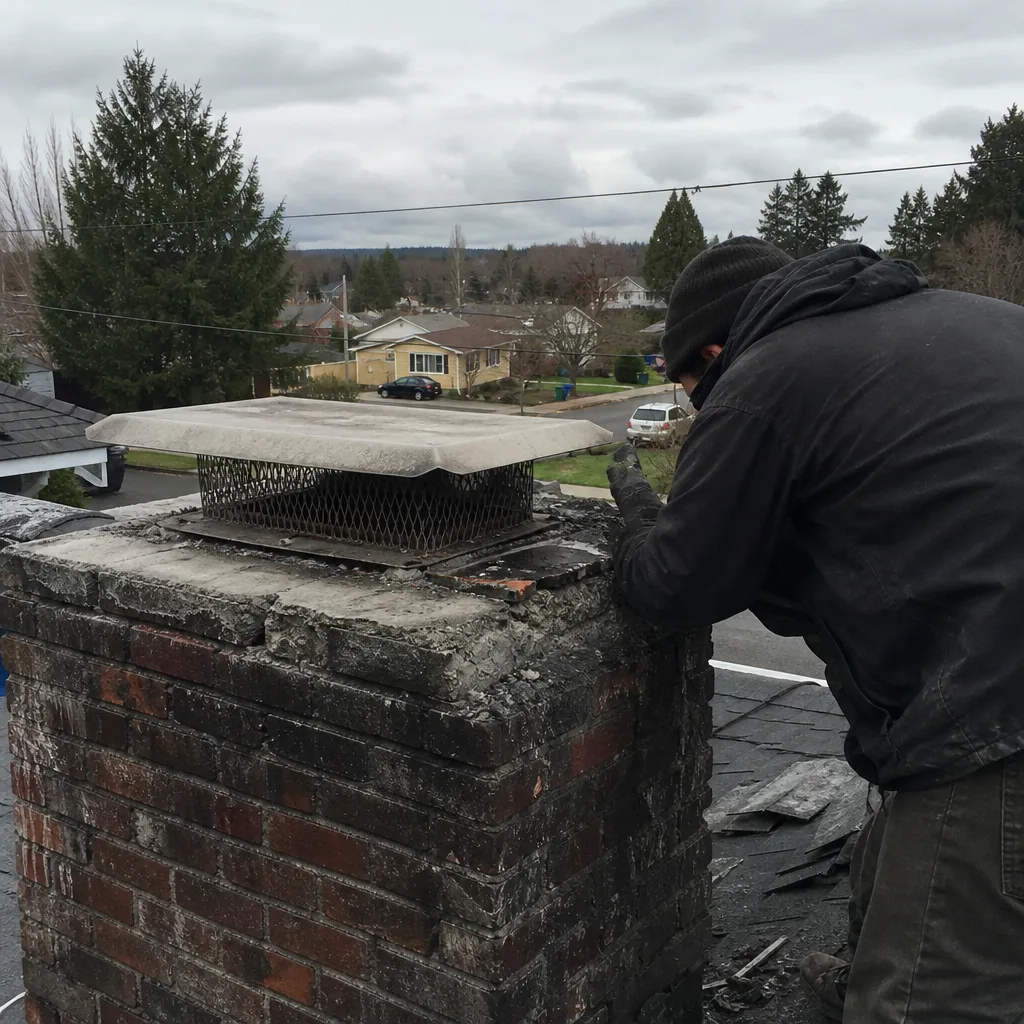 Before
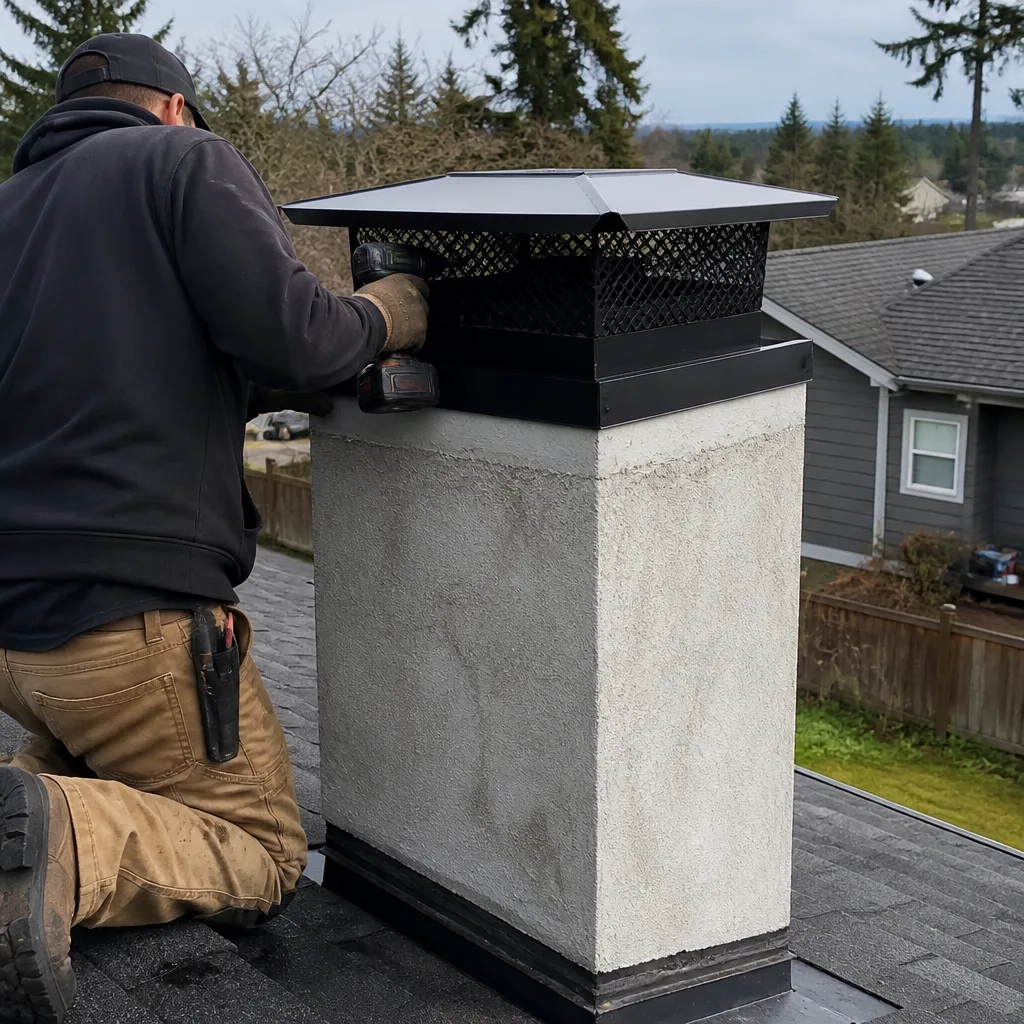 After
After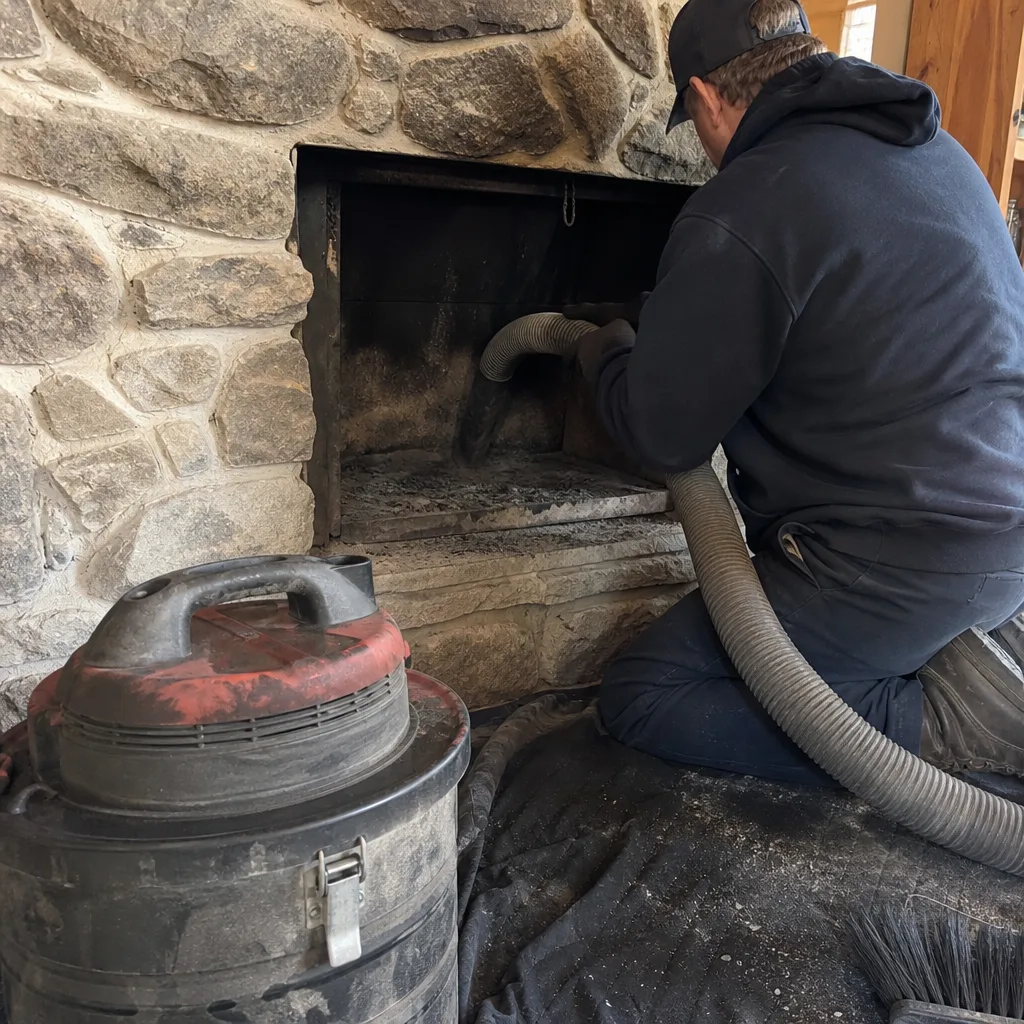 Before
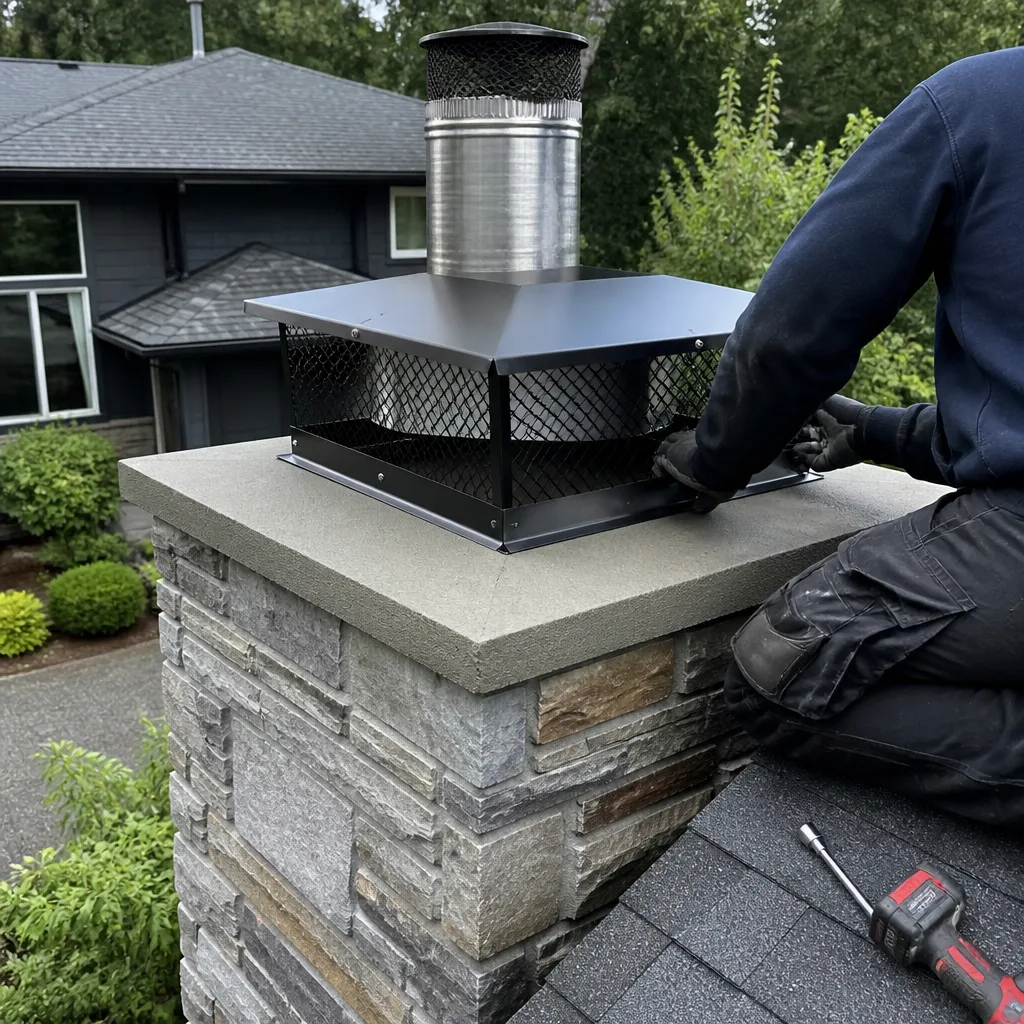 After
AfterChimney Cleaning Permits, Codes & Inspections in WA: What You Need to Know
Here’s a number that stops homeowners cold: roughly 40% of chimney liner replacements in Washington happen without a required building permit, and most of those homeowners only find out when they sell the house or file an insurance claim. In Tacoma, where we inspect chimneys across the North End, Proctor District, and the hillside homes above Ruston Way, we’ve seen the same pattern repeat for fifteen years. A sweep recommends work. The work gets done. The permit never gets pulled. This guide - alongside our Complete Guide to Chimney Cleaning in Tacoma - shows you exactly where Washington law draws the line between a routine cleaning and a permit-triggering repair, how to verify your contractor followed through, and what documentation you should have in hand before anyone leaves your driveway.
Quick Answer
Chimney cleaning and sweeping in Washington does not require a building permit. Chimney repairs that alter, replace, or rebuild structural components - including flue liner replacement, firebox rebuilds, crown reconstruction, and exterior masonry over $500 in value - trigger permit requirements under WAC 51-51 and local amendments in Tacoma and Pierce County. NFPA 211 provides the inspection standard, but Washington’s adopted building code determines when a permit is mandatory. Homeowners should verify permit status through the Pierce County permit portal before work begins, not after.
Table of Contents
- Cleaning vs. Repair: Where the Permit Line Actually Sits
- WAC 51-51: The Washington Code Sections That Govern Your Chimney
- Tacoma Building Permits: What Requires a Pull and What Doesn’t
- How NFPA 211 Intersects with Washington Code
- Why Permitted Work Changes Your Insurance Position
- How to Verify a Contractor Pulled a Permit in Pierce County
- What Documentation You Should Receive After Any Chimney Work
- Common Mistakes to Avoid
- When to Call a Professional
- Frequently Asked Questions
- The Bottom Line
 Before
 After
AfterCleaning vs. Repair: Where the Permit Line Actually Sits
The confusion starts with language. When a homeowner books a “chimney cleaning,” they expect a brush, a vacuum, and maybe some feedback about creosote buildup. What they often get is a recommendation for thousands of dollars in repairs - see our Chimney Cleaning Warning Signs: A Tacoma Homeowner’s Reference Guide for context - sometimes presented as part of the same visit. The critical distinction under Washington law is whether the work involves removal, replacement, or structural alteration of chimney components.
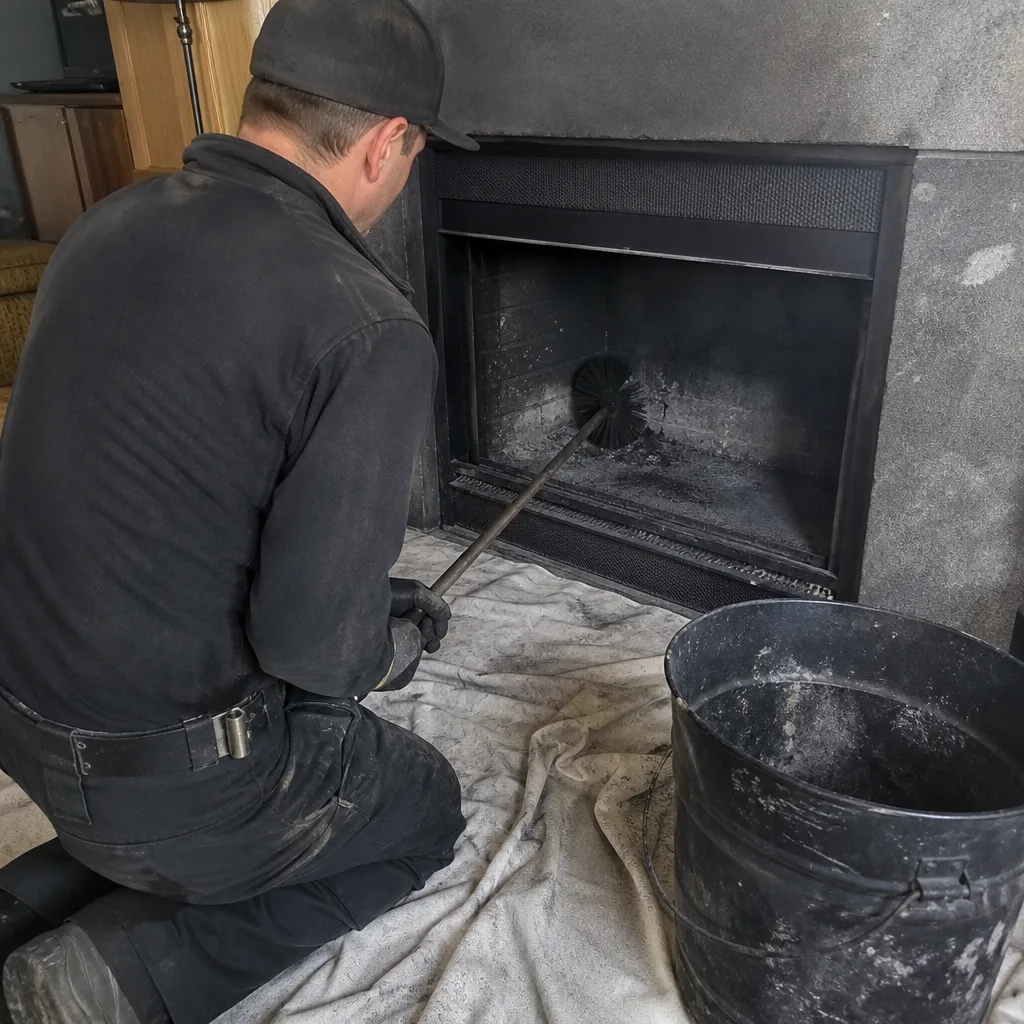
A chimney cleaning and sweep in Tacoma that removes soot, creosote, and minor debris from an intact flue liner is maintenance. No permit. No inspection. The technician documents the condition, provides a report, and leaves the system as they found it, only cleaner. We’ve completed more than 38,000 of these since 2009, and every one followed the same documentation path: written price before work, camera-scan record after, no permit required.
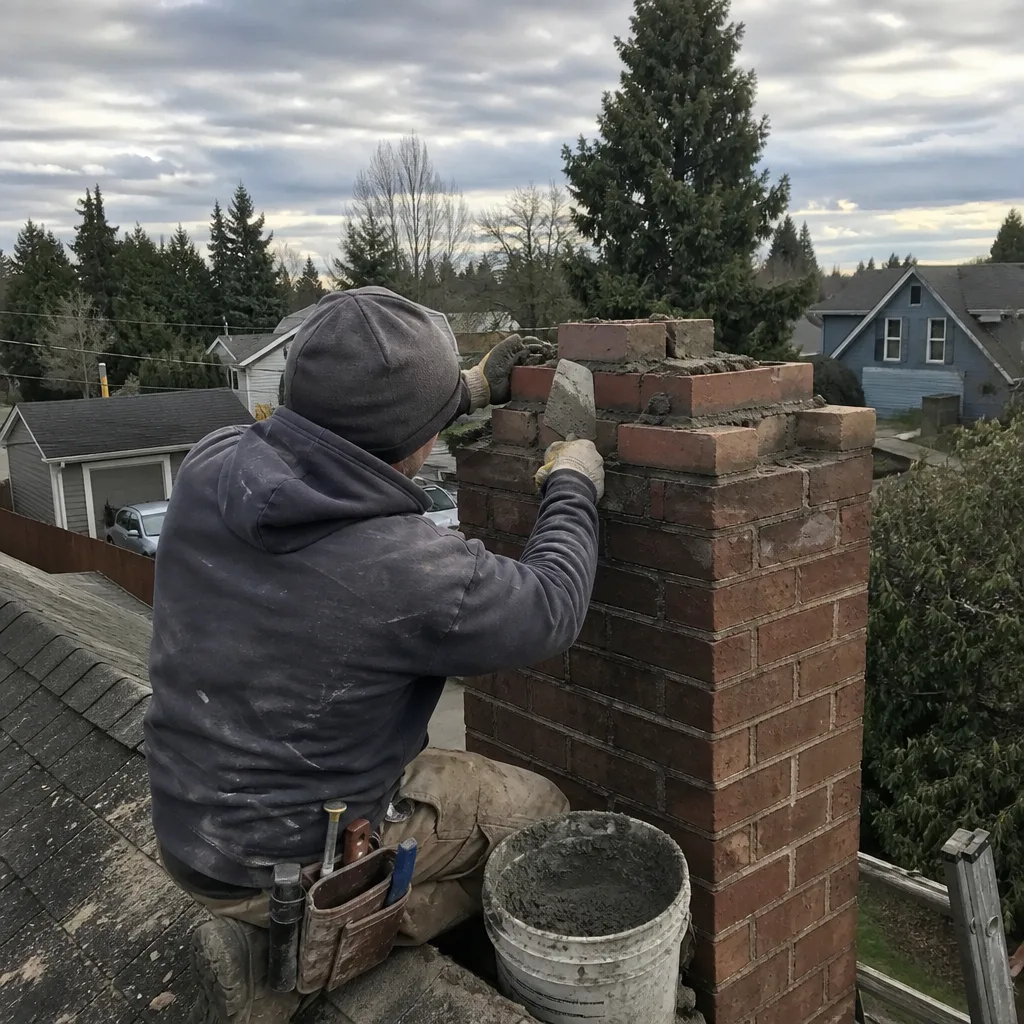
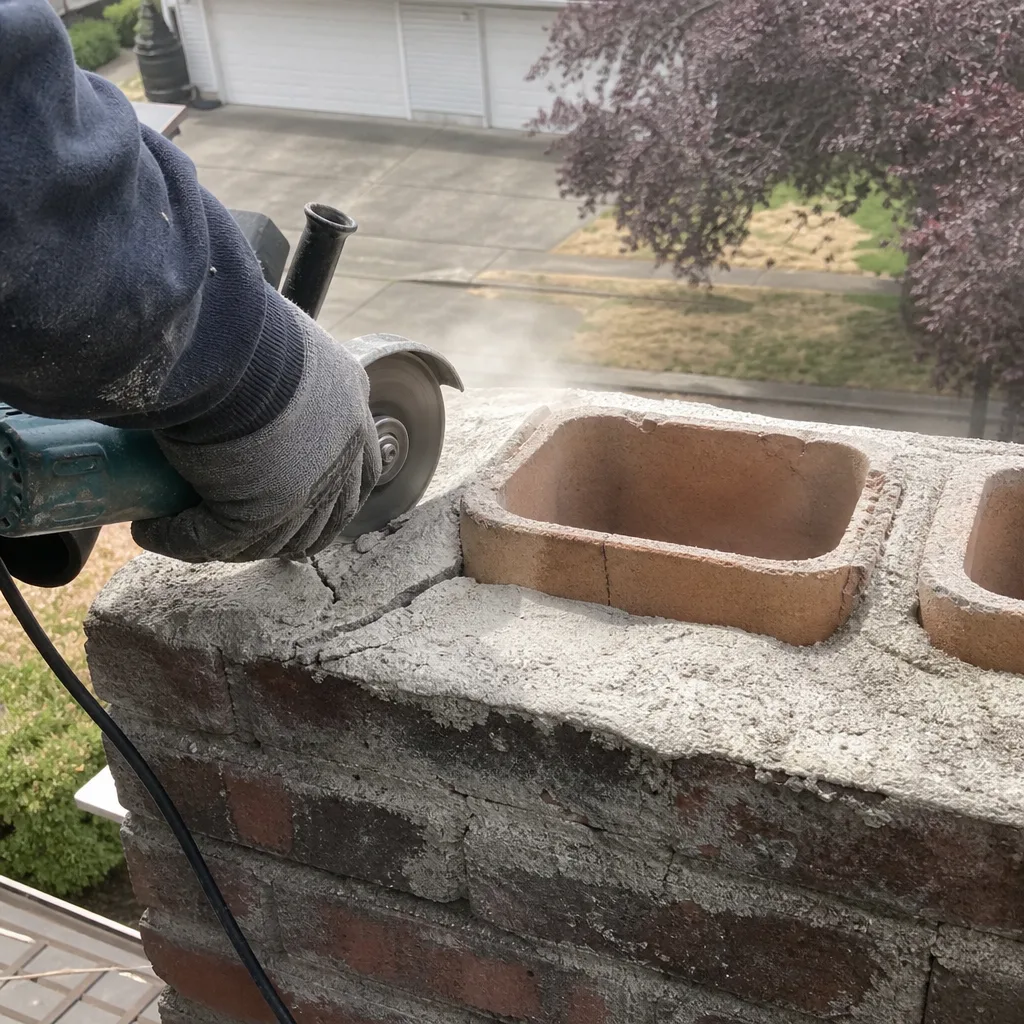
The permit threshold crosses when the scope changes the structure or function of the chimney system. Replace a damaged flue liner with a new stainless steel unit from DuraFlex or Olympia Chimney, and you’ve triggered WAC 51-51-0301. Rebuild a spalling firebox with HeatShield refractory mortar, and you’re in permit territory if the repair exceeds cosmetic surface treatment. Install a new chimney cap? Typically not permitted if it’s a direct replacement. Reconstruct the crown with structural forming and mesh reinforcement? Permit required in Tacoma.
Here’s where Tacoma’s climate makes this especially relevant. Our wet winters and marine air accelerate masonry deterioration. A crown that looks merely weathered in September can show structural cracking by March. Homeowners in neighborhoods like the North Slope Historic District or the older homes around Stadium District often face a mid-winter recommendation for crown reconstruction that wasn’t on anyone’s radar during the fall sweep. Our Chimney Cleaning & Sweep Maintenance Checklist for Tacoma Homeowners can help you prepare, but knowing whether that recommendation triggers a permit - and whether your contractor has accounted for the permit timeline in their scheduling - prevents the worst-case scenario: work completed, payment made, and no record with the city when you need it.
The practical test we use with customers: if the work requires opening a wall, removing a liner, or forming and pouring new masonry, assume a permit is needed until proven otherwise. If the work happens entirely within the existing flue and leaves all structural components in place, it’s almost certainly maintenance.
WAC 51-51: The Washington Code Sections That Govern Your Chimney
Washington adopts the International Residential Code (IRC) with state amendments codified in WAC 51-51. The sections relevant to residential chimneys fall primarily in Chapter 3, which covers building planning, and Chapter 10, which governs chimneys and fireplaces specifically. Understanding these references matters because permit offices, insurance adjusters, and home inspectors all use them as the baseline for compliance.
WAC 51-51-0301 - Building Planning: This section establishes when a permit is required for alterations, repairs, and additions. The key language for chimney work: “Any owner or authorized agent who intends to construct, enlarge, alter, repair, move, demolish, or change the occupancy of a building or structure shall first make application to the building official and obtain the required permit.” The word “alter” is where most chimney repairs land. Replacing a liner alters the system. Parging a smoke chamber with refractory mortar alters the system. Cleaning does not.
WAC 51-51-1003 - Chimney and Vent Connectors: This section incorporates by reference the standards for chimney construction, including material specifications, clearances to combustibles, and termination heights. When a permit is pulled for liner replacement or rebuild work, the inspector verifies compliance against this section. In Tacoma, we’ve seen local amendments add requirements for seismic bracing on exterior chimneys over certain heights, particularly relevant for the hillside homes in the North End where chimneys extend well above the roofline.
WAC 51-51-1004 - Factory-Built Fireplaces: For homeowners with prefabricated fireplace systems, this section governs installation, clearances, and repair limitations. A critical detail: factory-built systems must be repaired with listed components from the original manufacturer or an approved equivalent. Using generic materials - even high-quality ones - can void the listing and create both a code violation and an insurance problem. We source factory-built replacement parts through our Haven buying network specifically to maintain listing compliance.
Local amendments in Pierce County and Tacoma: Washington allows local jurisdictions to adopt amendments stricter than the state code. Tacoma’s amendments include additional requirements for masonry chimney inspection after seismic events and specific documentation for liner installations in homes built before 1950. The Pierce County building department maintains a separate amendment document that cross-references WAC 51-51 - worth requesting if you’re doing your own research.
The code is dry reading, but its enforcement is not abstract. An unpermitted liner replacement discovered during a home sale can delay closing by weeks. Insurance claims for chimney-related fire damage have been denied when the carrier discovers unpermitted work that altered the system. The code exists on paper; the consequences arrive in transactions.
Tacoma Building Permits: What Requires a Pull and What Doesn’t
Tacoma’s building department processes chimney-related permits through the Pierce County development services system, with specific routing depending on whether the property sits within Tacoma city limits or unincorporated Pierce County. The permit types and requirements are consistent, but the application portal and inspection scheduling differ slightly.
Work that does NOT require a permit in Tacoma:
- Routine chimney sweeping and cleaning of an intact system
- Installation of a chimney cap on an existing flue (direct replacement)
- Replacement of a damaged damper with a same-size unit
- Minor tuckpointing of mortar joints (cosmetic, non-structural, under $500)
- Installation of a chimney balloon or draft-stopper device
- Fireplace door replacement on an existing firebox
Work that DOES require a permit in Tacoma:
- Flue liner replacement or relining (stainless steel, aluminum, or cast-in-place)
- Firebox rebuild or reconstruction of refractory panels
- Crown removal and reconstruction with structural forming
- Exterior masonry repair exceeding $500 in value
- Chimney extension or alteration of termination height
- Installation of a new factory-built fireplace or insert
- Conversion from wood-burning to gas (or reverse) requiring new venting
- Structural reinforcement or seismic bracing
The $500 threshold appears in Tacoma’s administrative code as the general repair permit trigger. In practice, this means a $450 crown seal with CrownSeal or similar topical product is maintenance. A $1,200 crown reconstruction with formed concrete, mesh reinforcement, and proper slope and overhang is a permit job. The distinction matters because some contractors skirt the line by pricing structural work below $500 in separate phases, which violates both the spirit and letter of the code.
In Tacoma’s older neighborhoods - particularly the homes built between 1900 and 1940 in the North End and Hilltop areas - we regularly encounter chimneys that have never had a liner installed. These unlined masonry flues were legal when built but do not meet current code for solid fuel burning. Installing a liner in these chimneys is always a permit job, and the permit application typically requires documentation of the existing flue dimensions, the proposed liner specification (we typically use DuraFlex or Olympia Chimney stainless steel), and clearance verification to combustible framing.
The permit process in Tacoma typically takes 3-5 business days for standard chimney work, with inspection scheduling adding another 1-2 weeks depending on season. Fall rush can extend this timeline significantly. A contractor who promises next-week liner installation without mentioning permit timing is either already holding a permit (rare) or planning to skip it (common).
How NFPA 211 Intersects with Washington Code
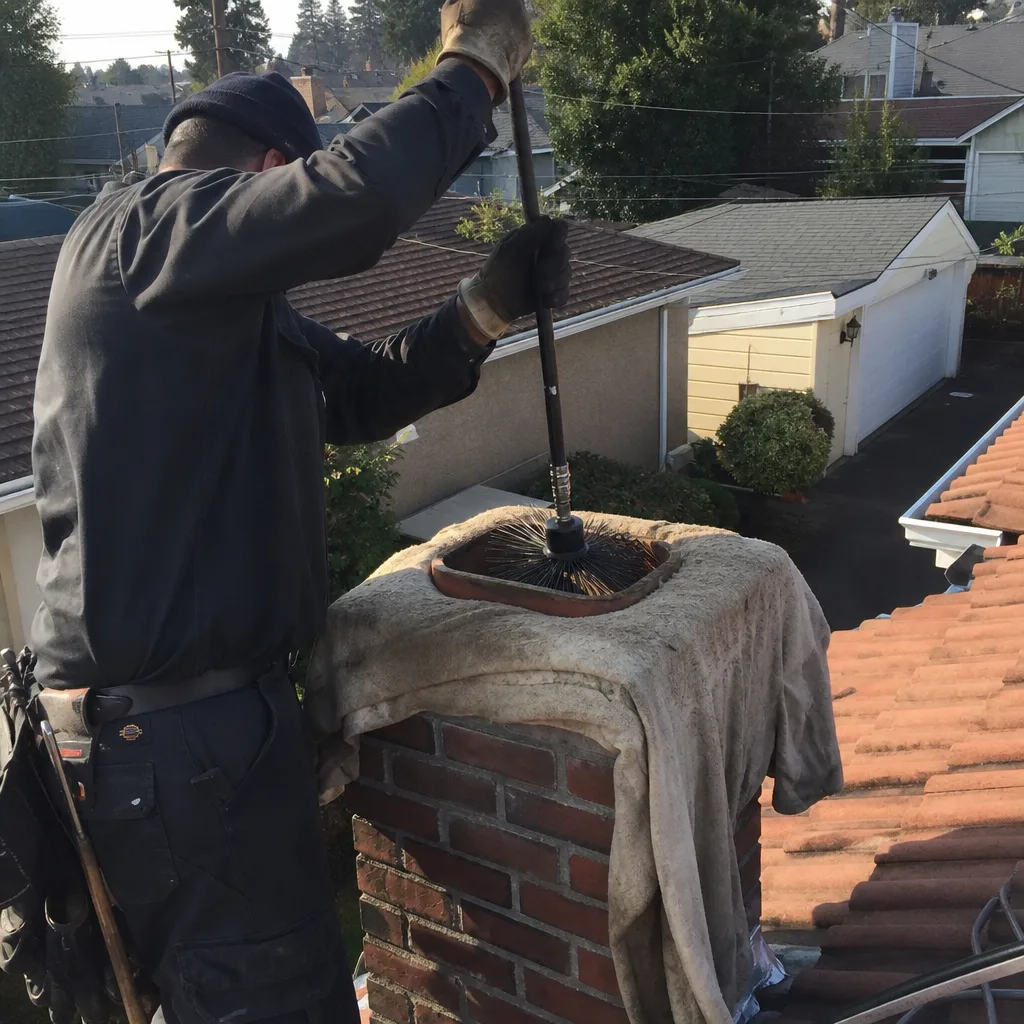
NFPA 211, Standard for Chimneys, Fireplaces, Vents, and Solid Fuel-Burning Appliances, is the inspection and maintenance standard that most chimney professionals reference. Washington’s building code adopts NFPA 211 by reference for existing chimney inspection and maintenance protocols, but with important distinctions that create gaps homeowners need to understand.
Where they align: Both NFPA 211 and WAC 51-51 require annual inspection of chimney systems used for solid fuel burning. Both specify three levels of inspection - Level 1 (visual, accessible), Level 2 (camera scan, accessible and concealed), and Level 3 (destructive investigation as needed). Both mandate liner compatibility with the appliance being vented. Our Level Two Chimney Tacoma home practice is built on this alignment: we perform NFPA 211 Level 2 inspections as our default, which satisfies both the standard and Washington’s adopted code for documentation purposes.
Where Washington goes further: NFPA 211 is a maintenance and safety standard. It does not contain permit requirements. Washington’s adoption of the IRC through WAC 51-51 adds the permit layer that NFPA 211 lacks. A chimney sweep can perform a fully code-compliant NFPA 211 Level 2 inspection, recommend liner replacement based on findings, and complete that replacement without ever pulling a permit - and be technically correct on the inspection standard while violating state building code.
Where local amendments create stricter requirements: Tacoma’s amendments to WAC 51-51 add specific requirements that exceed NFPA 211 in several areas. Factory-built fireplace installations require a Tacoma-specific inspection checklist that includes clearance verification to combustible mantels and surrounds - a detail NFPA 211 addresses generally but Tacoma specifies with measurements. Liner installations in pre-1950 chimneys require documentation of the original construction method, which NFPA 211 does not address. And seismic bracing requirements for exterior chimneys in Tacoma’s landslide-prone zones exceed NFPA 211’s general guidance.
The practical implication: when a contractor cites NFPA 211 compliance as evidence that their work is “code compliant,” that claim is incomplete. NFPA 211 compliance covers the inspection and installation methodology. WAC 51-51 compliance covers whether the work required a permit, whether the permit was pulled, and whether the installation passed inspection. Both are necessary; neither is sufficient alone.
We’ve seen this confusion work against homeowners in Tacoma’s Lakewood and University Place service areas. A competitor completes a liner replacement, provides an NFPA 211 inspection report, and the homeowner assumes the job is fully documented. Two years later, selling the house, the buyer’s inspector asks for the permit record. None exists. The sale stalls while the homeowner pays for a retroactive permit and re-inspection, often requiring partial disassembly of the new liner to verify installation details.
Our practice under the Haven Standard requires that we identify permit-triggering recommendations during the inspection, include permit requirements in our written scope and price, and provide permit application assistance as part of the project. Clause 1 of the Haven Standard - “Have it in writing” - means the permit status is documented in the original scope, not discovered as a surprise.
Why Permitted Work Changes Your Insurance Position
Homeowner’s insurance policies contain a standard exclusion for damage resulting from faulty, inadequate, or illegal construction. The interpretation of “illegal” in this context includes work performed without required permits. This is not a theoretical risk - we’ve reviewed claim denials where the specific language cited permit absence as the basis for exclusion.
The permitted scenario: You have a deteriorating clay flue liner in your Tacoma home. A chimney repair in Tacoma contractor pulls a permit, installs a new stainless steel liner with proper clearances and connections, passes inspection, and closes the permit. Two years later, a chimney fire occurs due to an unrelated cause - perhaps a bird nest in an uncapped flue. The insurance adjuster reviews the file, confirms the liner installation was permitted and inspected, and processes the claim for fire damage to the chimney and surrounding structure.
The unpermitted scenario: Same liner deterioration, same installation quality, no permit. The same chimney fire occurs. The adjuster discovers the liner replacement during routine investigation, requests permit records, finds none. The carrier invokes the faulty construction exclusion and denies coverage for chimney and structural damage, potentially tens of thousands of dollars. The homeowner’s recourse is litigation against the original contractor - costly, uncertain, and often unsuccessful if the contractor is uncollectible.
The critical point: the installation quality may be identical in both scenarios. The permit is not a quality guarantee. It is a documented compliance record that prevents the insurance exclusion from being triggered. In Tacoma’s competitive real estate market, where home sales frequently involve pre-inspection and disclosure review, permitted work also smooths transactions. Buyers and their lenders increasingly request permit verification for major systems work, including chimneys.
We’ve also seen permitted work affect premium calculations. Some carriers offer modest discounts for documented maintenance and code-compliant upgrades. The documentation from a permitted liner installation - the approved plans, the inspection sign-off, the closed permit - provides the paper trail these discounts require. It’s not the primary reason to permit work, but it’s a secondary benefit that accumulates over time.
For homeowners in Tacoma’s hillside neighborhoods, where chimney fires can spread rapidly to dense vegetation and neighboring structures, the insurance position has outsized importance. A denied claim in these areas doesn’t just cover the chimney; it can expose the homeowner to liability for wildfire spread. The permit record is a small investment against that exposure.
How to Verify a Contractor Pulled a Permit in Pierce County
Don’t ask if a permit was pulled. Verify it yourself. The Pierce County permit lookup system is public, free, and searchable by address. Here’s the exact process:
- Navigate to the Pierce County permit portal. Search for “Pierce County permit lookup” or access through the Tacoma-Pierce County Health Department development services page. The direct portal is hosted at the county’s development services division.
- Search by property address. Enter your full street address as it appears on your tax record. Partial addresses often return no results. Include directionals (N, S, E, W) and street type (Ave, St, Way) exactly.
- Review active and closed permits. The search returns all permits associated with the address, typically spanning 10-15 years depending on digitization. Look for permit types labeled “Mechanical,” “Building,” or “Fireplace/Stove” depending on the jurisdiction’s categorization.
- Verify permit status. An active permit shows application date, contractor name, and scope description. A closed permit shows inspection dates and final approval. A permit that was applied for but never inspected may indicate work that was started and abandoned, or a contractor who applied but never followed through.
- Cross-check contractor name. The permit should list the contractor who performed the work. If your contract was with Company A but the permit shows Company B, ask why. This sometimes indicates permit shopping or a subcontractor arrangement that wasn’t disclosed.
- Request the inspection record. For closed permits, you can request a copy of the final inspection report through the same portal or by contacting the building department directly. This document confirms the work was visually verified by an inspector, not just paper-approved.
In Tacoma specifically, the city maintains its own permit records for properties within city limits, separate from unincorporated Pierce County. If your address search returns no results in the county system, try the Tacoma permit portal directly. The boundary between city and county jurisdiction runs through some neighborhoods in unexpected ways - parts of the North End near the county line can be either, and the wrong portal will show nothing.
We provide permit numbers in writing on every permit-required job we perform, typically within 24 hours of application. Under Haven Standard Clause 1, the written scope includes the permit application timeline and the permit number once issued. Customers don’t need to search blindly - but they can, and we encourage verification.
A red flag we’ve encountered in Tacoma: contractors who claim a permit “isn’t needed for this type of work” when it clearly is, or who suggest the homeowner “can pull an owner-builder permit” to save money. Owner-builder permits are legitimate for homeowners doing their own work, but they transfer liability to the owner and void most contractor warranties. A licensed contractor should pull permits in their own name as a matter of standard practice.
What Documentation You Should Receive After Any Chimney Work
Documentation is where most chimney service experiences fall apart. The work gets done, the technician leaves, and the homeowner has a receipt and a vague memory of what was discussed. For permit-required work, this is inadequate. For any work, it’s below the standard a homeowner should accept.
After a routine chimney cleaning and sweep in Tacoma, you should receive:
- A written invoice itemizing services performed
- A condition report describing findings (creosote level, liner condition, crown integrity, damper function)
- Photo documentation of the flue interior from the camera scan
- Any recommendations for future service with priority indicated
- The technician’s name and license information
After permit-required repair work, you should receive all of the above plus:
- The permit application and approved plans
- Inspection scheduling confirmations
- Final inspection approval and permit closure documentation
- Manufacturer specifications for installed materials (liner gauge, alloy type, insulation value)
- Written warranty on workmanship and materials
Under Haven Standard Clause 4, we’ve provided a documented photo record on every visit since 2009. This practice predated industry adoption and became our standard because we saw how often homeowners needed to reference prior work - for insurance, for sale, for their own maintenance planning. The record includes timestamped images of the flue interior, the smoke chamber, the firebox, the exterior crown and cap, and any areas of concern with measurement annotations where relevant.
For permit work, we extend this documentation to include the permit correspondence, inspection notes, and material certifications. A DuraFlex or Olympia Chimney liner installation includes the manufacturer’s warranty card completed in the homeowner’s name, the alloy specification sheet confirming 316Ti or 304 grade as appropriate for the fuel type, and the insulation wrap certification if the liner is listed for zero-clearance installations.
We’ve reviewed competitor files where the only documentation was a handwritten receipt with “liner installed” and a price. No photos. No permit record. No material specification. When those homeowners later needed to verify what was installed - for insurance, for a second opinion, for a home sale - they had nothing. The technician was long gone. The company had changed names or closed. The documentation gap became a financial problem.
In Tacoma’s climate, where liner installations need to withstand decades of acidic condensation and thermal cycling, knowing exactly what was installed matters for maintenance planning. A 304-grade liner in a wood-burning application has different inspection intervals than a 316Ti liner in a gas application. The documentation should tell you which you have.
Common Mistakes to Avoid
- Assuming a sweep’s recommendation doesn’t need a permit. In Tacoma’s North End, we’ve seen homeowners approve $4,000 liner replacements during what they thought was a routine cleaning visit, never realizing the work required a permit until they sold the house five years later.
- Accepting “we’ll take care of the permit” without verification. Verbal assurances are not compliance. Get the permit number in writing and verify it in the county portal before work starts.
- Paying in full before permit closure. Some contractors demand final payment upon installation completion, before the final inspection occurs. If the inspection fails and the contractor disappears, you’re left with non-compliant work and no leverage. Structure payment with a holdback until permit closure.
- Ignoring manufacturer listing requirements for factory-built systems. Installing a non-listed liner or repair material in a factory-built fireplace voids the system listing and creates both a code violation and an insurance exposure. We see this most often with generic liner installations in prefabricated chimney systems.
- Failing to document pre-existing conditions. Before any repair work, photograph the chimney exterior, interior, and surrounding structure. If a dispute arises about whether damage was pre-existing or caused by the repair work, your documentation is your protection.
- Confusing city and county jurisdiction. Tacoma city limits and unincorporated Pierce County use different permit portals. Searching the wrong one and finding no results doesn’t mean no permit exists - it means you’re looking in the wrong database.
- Skipping the final inspection. Some contractors “forget” to schedule final inspection after payment is received. An open permit can block home sales and create compliance issues. Verify closure in the portal, and don’t make final payment until you see it.
When to Call a Professional
Call a professional when your chimney inspection reveals anything beyond routine soot and creosote accumulation. Specifically: visible cracks in the flue liner, spalling or missing mortar in the firebox, water staining on interior walls near the chimney, a tilting or separated exterior stack, or any recommendation for liner replacement or masonry rebuild. These conditions indicate structural or safety concerns that require documented evaluation, not just cleaning.
In Tacoma, where our wet climate accelerates deterioration, we recommend annual inspection for all solid fuel systems and any gas system over ten years old. The inspection should include a camera scan of the flue interior - a visual inspection from the fireplace opening or roof top is insufficient to evaluate liner condition in most masonry chimneys.
Level Two Chimney Tacoma offers free estimates in Tacoma - call (253) 447-5982 - and you can find more guides & resources on our blog. Every estimate includes a written scope, written price, and written warranty before any work is approved. For permit-required work, we include the permit application timeline and verification process in the initial scope. Our background-checked, uniformed technicians arrive with license information displayed, and you’ll receive a text when your technician is en route.
Frequently Asked Questions
A standard chimney cleaning and inspection in Tacoma typically runs $199-$289 for a single flue system, depending on accessibility, creosote accumulation level, and whether the system has been maintained regularly or requires more intensive cleaning. This price includes the NFPA 211 Level 2 camera-scan inspection and a documented photo record under Haven Standard Clause 4. Multi-flue systems, unlined chimneys, or systems with significant creosote buildup (Class III glazed creosote) may fall at the higher end of the range or require additional service. Call (253) 447-5982 for an exact quote - estimates are free.
You need a new liner when the existing liner is damaged, deteriorated, or absent, and the chimney is being used to vent combustion gases. Specific indicators include visible cracks or gaps in a clay tile liner, corrosion or separation in a metal liner, or an unlined masonry flue in a home built before liner installation was standard. In Tacoma, we regularly find unlined chimneys in homes built before 1940, particularly in the North End and Hilltop neighborhoods. The liner protects the masonry from acidic condensation and prevents combustion gases from entering living spaces. A camera inspection provides the visual evidence to make this determination - we don’t recommend liner replacement without photo documentation you can review yourself. Call (253) 447-5982 to schedule an inspection.
NFPA 211 and Washington’s adopted fire codes recommend annual inspection of all chimney systems, with cleaning frequency determined by use and fuel type. Wood-burning systems typically need annual sweeping when used as a primary heat source, or every cord of wood burned. Gas systems need less frequent cleaning but still require annual inspection for condensation damage, debris blockage, and venting integrity. In Tacoma’s marine climate, where moisture accelerates deterioration, we recommend annual inspection for all systems regardless of fuel type, with cleaning as indicated by the inspection findings. The 38,000+ inspections in our records show that systems inspected annually require less expensive intervention than those with multi-year gaps.
Skipped maintenance leads to creosote accumulation, which increases chimney fire risk, and undetected liner deterioration, which increases carbon monoxide exposure risk. In practical terms: a chimney fire can damage the liner, surrounding masonry, and potentially spread to the structure. Carbon monoxide intrusion from a failed liner can cause illness or death without visible warning. In Tacoma’s older housing stock, where many chimneys serve multiple appliance types over decades of use, the cumulative wear from skipped maintenance often results in more extensive - and more expensive - repairs when problems are finally discovered. The documented inspection record also matters for insurance and resale; a history of regular maintenance supports claims and disclosures, while a maintenance gap raises questions.
A licensed contractor can and should pull permits for permit-required work as part of their standard practice. In Washington, contractors performing work that requires a permit are responsible for obtaining that permit in their own name, not the homeowner’s. An owner-builder permit places liability on the homeowner and typically voids contractor warranties. When we recommend permit-required work, we include the permit application in our project scope, provide the permit number in writing, and schedule inspections as part of our project management. You should never be asked to pull your own permit for work a contractor is performing - if this is suggested, it’s a red flag. Call (253) 447-5982 if you have questions about permit status on any chimney project.
Verify through the public permit portal using your property address. For Tacoma city properties, search the Tacoma permit portal; for unincorporated Pierce County properties, search the Pierce County permit portal. A properly permitted job shows an active permit during work and a closed permit with final inspection approval after completion. The permit should list your contractor’s name and license, and the scope should match the work performed. We provide permit numbers in writing on all permit-required jobs and encourage customers to verify independently. If you cannot find a permit record for work you believe was permitted, contact the building department directly - records sometimes have address variations that don’t match your search terms. For assistance verifying permit status on work we’ve performed, call (253) 447-5982.
The Bottom Line
Washington’s chimney regulations draw a clear line between maintenance and alteration, but that line is invisible to homeowners who don’t know where to look. Cleaning doesn’t require a permit. Liner replacement, firebox rebuild, and structural masonry repair do. NFPA 211 tells you how to inspect; WAC 51-51 tells you when to permit. The two systems overlap but don’t replace each other. In Tacoma’s wet climate and competitive housing market, the permit record is as valuable as the work itself - for insurance, for sale, and for your own documentation of what exists inside your walls. Verify permits yourself. Demand written documentation. And never approve structural chimney work without understanding whether the building department knows about it.
Written by Corrine Halstead, Owner at Level Two Chimney Tacoma, serving Tacoma since 2009.